Opening: why a packaging allocation framework matters
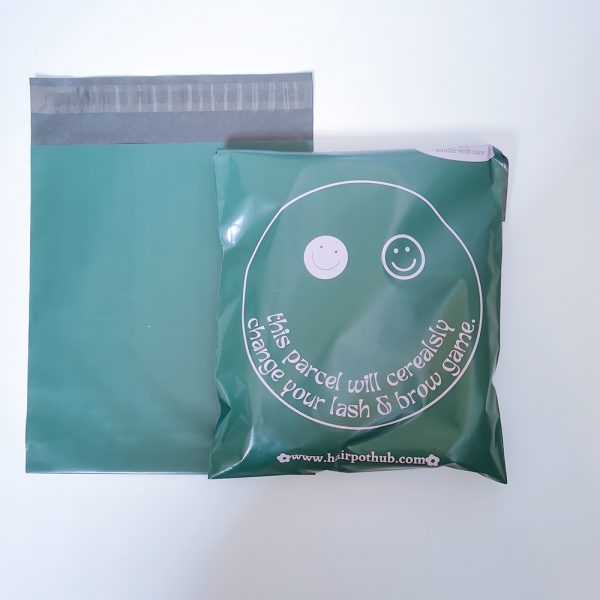
If you run an e‑commerce apparel brand, packaging is a line-item that quietly eats margin unless you build rules for it. Think of this as a simple decision framework you can teach your team: allocate capital and design effort where it lowers DIM weight first, then chase cosmetic gains. Start by evaluating how materials and form factor affect carrier pricing — and consider partners that offer optimized options like poly mailers with handles so you can cut volumetric weight without compromising pack speed or user experience.
Real-world anchor: lessons from a supply-chain shock
During the 2020 global shipping crunch, many retailers saw DIM-weight surcharges spike and realized that reducing package volume had an outsized impact on margins. Carriers calculate a package’s billable weight using dimensional (DIM) weight whenever it exceeds the actual weight, so slimmer, flatter mailers translate into recurring savings. Use that event as a reference point — it’s a clear example of how packaging design choices become strategic under stress.
Framework overview: four practical pillars
I recommend a four-pillared framework you can operationalize within a quarter: (1) Measurement, (2) Design-to-DIM, (3) Supplier alignment, and (4) Continuous auditing. Each pillar becomes a checklist for cross-functional teams — product, operations, and procurement — and prevents packaging from turning into a reactive cost center.
Pillar 1 — Measurement: collect the right metrics
Track pack dimensions, actual weight, DIM weight, and frequency of surcharge events per SKU. Add packing time and damage rate so you keep customer experience visible. A reliable dashboard should show which SKUs trigger the most DIM surcharges and the dollar impact per month — that tells you where to allocate tooling or format changes first.
Pillar 2 — Design-to-DIM: practical tactics
Design decisions to reduce volumetric weight include using thinner, high-tensile poly mailers, eliminating unnecessary void fill, and switching form factors from boxed parcels to mailers where product protection allows. Consider gusset vs. flat styles and lap-seal vs. self-seal adhesives — each affects thickness and folding behavior. Prototype with your actual fill-line and do a carrier-comparison test before you roll out changes.
Pillar 3 — Supplier alignment and capital allocation
Work with manufacturers who understand DIM optimization and can offer reasonable MOQs for trials. Negotiate tooling amortization into pricing if you need a bespoke poly mailer profile. A good supplier will provide tensile strength specs, sample lead times, and shipping-dimension options so you can model ROI. If you sell apparel specifically, explore poly mailers with handles for subscription or retail-pickup channels and consider custom apparel shipping bags when you need brandable, low-DIM solutions that still protect garments.
Pillar 4 — Continuous auditing and rulebooks
Establish a packing-rulebook: which SKUs go in mailers, which need a box, and when to add protective padding. Audit monthly for outliers and return to your supplier for small iterative changes — sometimes a 10 mm reduction in padding or a shift from 3-ply to engineered single-ply can tip many SKUs below the DIM threshold. Keep a feedback loop between customer service (damage claims) and ops so you don’t over-optimize into higher returns.
Common implementation mistakes and how to avoid them
Teams often make three mistakes: underestimating tooling costs, assuming all poly mailers are equal, and ignoring the packing ergonomics for warehouse staff. Don’t do that. Run a small-batch pilot with real SKUs, measure both DIM savings and packing time, and insist on first-article samples with closure and tensile specs before greenlighting a full run — it saves you from rework and surprise surcharges later. —
Supplier checklist: questions to ask during procurement
Use this short list when vetting partners: Can you produce low-DIM profiles with MOQ that fits our scale? Do you publish tensile strength and seal performance data? What are sample lead times and tooling amortization terms? Ask for packing-dimension case studies — proof beats promises when you’re trying to lower carrier costs.
Putting numbers around the decision (quick ROI thought exercise)
Estimate your current monthly DIM surcharge, model the expected dimensional reduction per SKU, and calculate payback time for any tooling or new-material premium. Often you’ll find that small per-unit savings compound quickly across thousands of shipments — that’s where strategic capital allocation earns itself back.
Closing advice: three golden rules for selecting packaging strategies
1) Measure before you change: prioritize SKUs by total surcharge impact, not by unit cost alone. 2) Prototype with intent: test on the packing line and run carrier DIM comparisons. 3) Partner for iteration: choose suppliers who accept low-volume pilots and share performance specs — that reduces risk and speeds savings.
These three rules will help you focus investment where it actually lowers DIM-weight surcharges and keeps customer experience intact. WH Packing. —