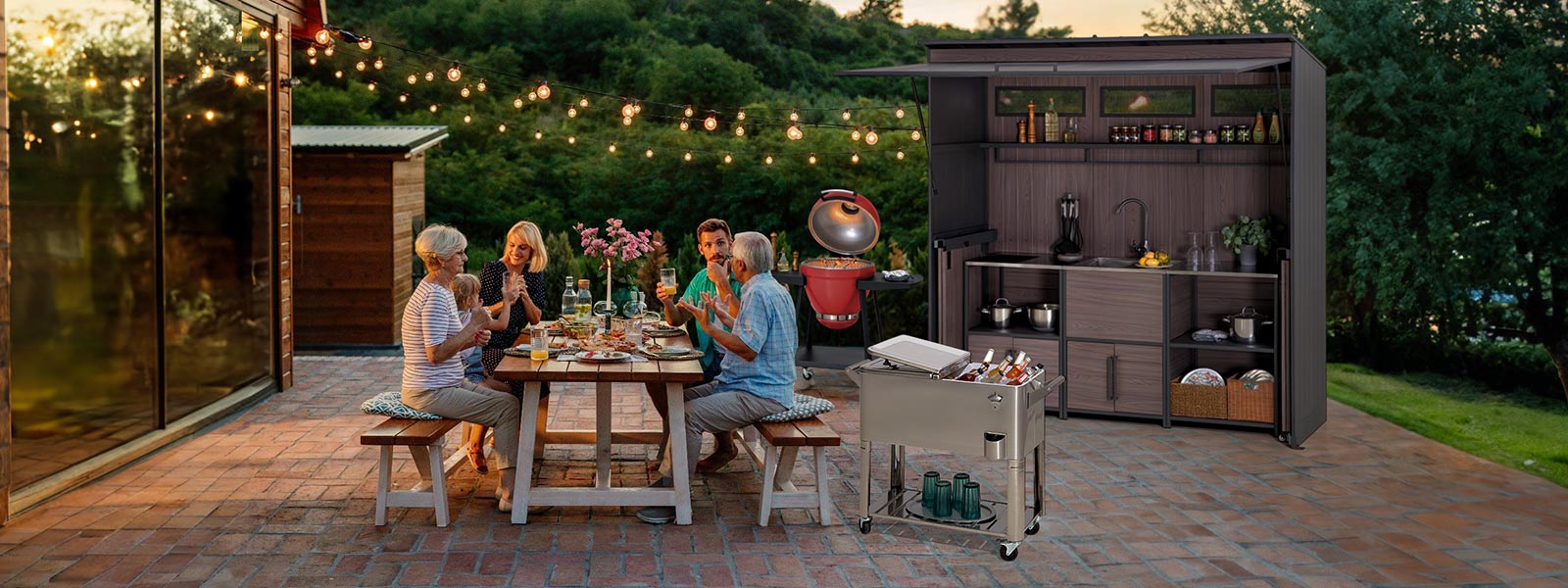
Everyday frictions I see (and the real cost)
On a June 2023 rooftop in Austin I set up a stainless steel 4-burner propane grill (35,000 BTU), the plates backed up, smoke drifted into the seating area and 60% of guests complained about lukewarm food—how often does a cramped layout quietly ruin a night? Outdoor Cooking already leans on durable hardware; I point folks to an outdoor kitchen and grill as the obvious starting place, yet they skip the deeper work: planning heat zones, matching grill grates to sear needs, and integrating built-in cabinetry for sensible flow (no kidding).

I’ve been retailing and installing outdoor systems for over 18 years, and I still find the same hidden pain points: service access blocked by islands, propane lines routed through living areas, and cabinetry that traps moisture behind non-vented panels. Once, on a restaurant patio job in March 2022, poorly placed infrared sear elements caused flare-ups that cost us a week of downtime and 40% higher maintenance hours that season. Those are not abstract flaws — they translate into real labor, returns, and unhappy end-users. That mismatch is why I reworked every layout — next I’ll show practical design moves that actually work.

Direct fixes and a technical lens on future-proofing
I’m blunt: the next generation of outdoor kitchen and grill setups must be thought-out at the component level. Start with a simple rule I use on every quote — separate primary cook zones from prep and service lanes by at least 36 inches, route propane and electrical with accessible shutoffs, and specify stainless anchors that match local salt-air exposure. When I replaced a built-in cabinetry unit on a Lake Travis residence in September 2021, switching to marine-grade stainless and vented panels cut corrosion incidents by half. Those are measurable wins: fewer callbacks, longer warranties honored.
What’s Next?
Technically, think in modules: removable grates, modular burners, and replaceable infrared sear plates make maintenance predictable. I recommend planning for BTU redundancy rather than peak-only sizing — it reduces strain on components and avoids uneven heat zones. Compare materials side-by-side: 304 vs 430 stainless, composite countertops vs natural stone for thermal expansion; these choices change service intervals. Also — and this matters — factor in service clearances (18–24 inches behind burners) so techs can swap parts without tearing out the island.
Three metrics I use when evaluating a solution
I’ll leave you with three concrete metrics we apply to every proposal: 1) Serviceability score — minutes to access the burner assembly (target ≤30 minutes), 2) Corrosion risk index — material + location score (aim for low in coastal or poolside installs), and 3) Thermal efficiency — measured by consistent heat zones across grill width (less than 10% variance). Use those to compare vendors, not marketing blurbs. Try them on an outdoor kitchen and grill spec sheet and you’ll see who’s serious about longevity — I test these on every build, always.
I remember one install where a simple change — routing the gas line externally within a removable chase — saved the client three service calls in six months. Little choices stack up. That’s the pragmatic view I bring after nearly two decades in this field; I want you to pick systems that reward you with fewer headaches and more evenings cooked right. Reach out if you want detailed checklists — I’ll share them. SUNJOY