Comparative snapshot: specialists versus generalists
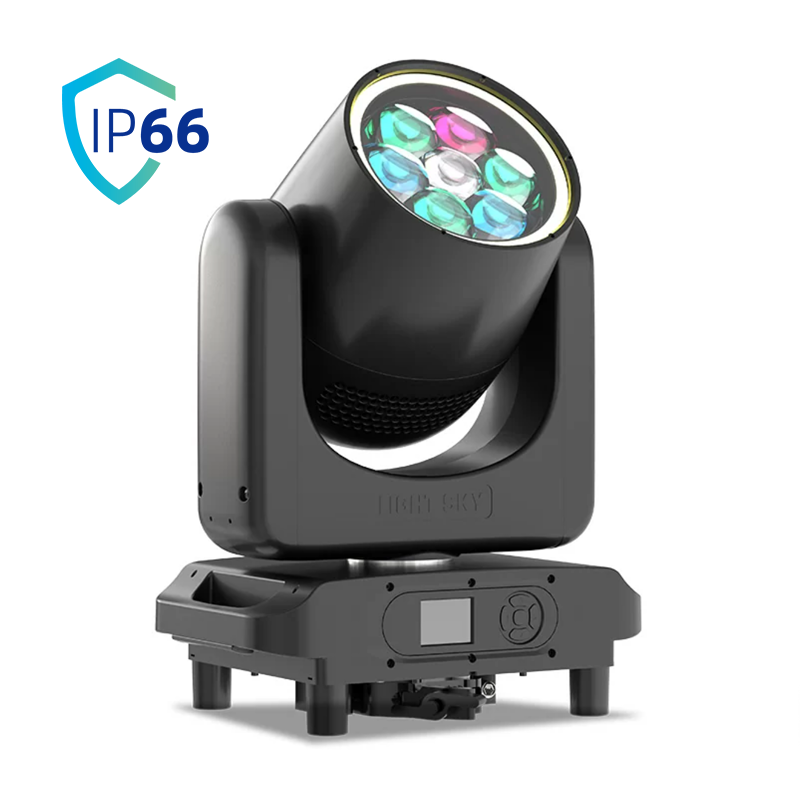
When you stack entertainment lighting manufacturers against generic suppliers, the differences show fast — not just in specs but in how those specs perform on stage, lah. A specialist knows how a proper led moving wash behaves under DMX512 control, how beam angle and lumen output translate to moods, and how to avoid flicker that spoils live broadcasts. Manufacturers focus on moving head mechanics, optical design, and serviceability; general suppliers often sell boxes and call it a day.
What manufacturers actually deliver
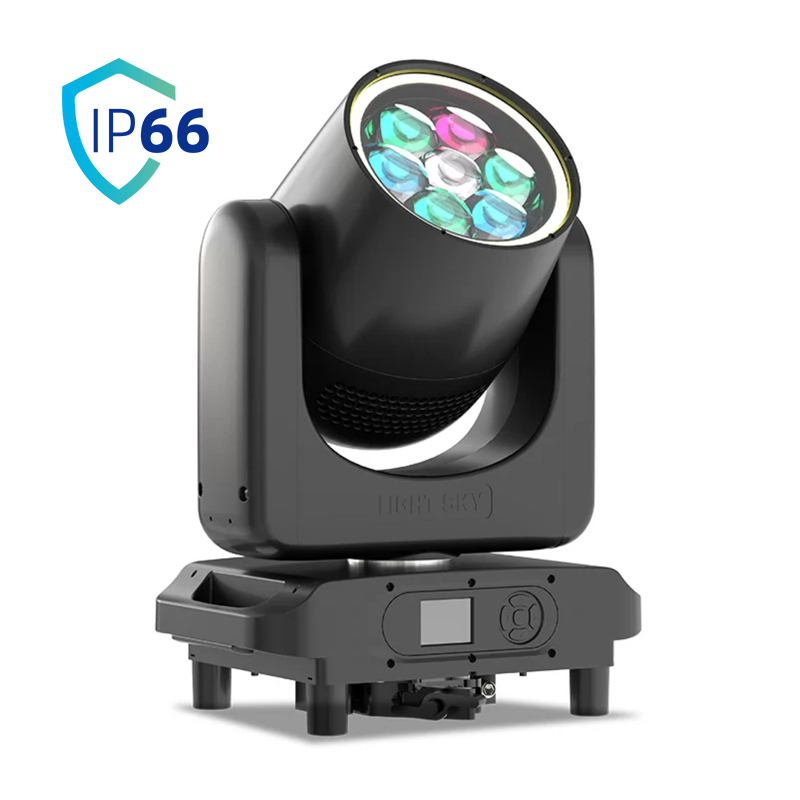
Manufacturers design for rigging and reuse: robust IP rating choices for outdoor festivals, standardised power options for touring racks, and clear specs for color temperature consistency. They calibrate wash fixtures for smooth colour mixing and precise beam shaping, so designers can predict results rather than gamble. When you buy from specialist sources, you get firmware that supports theatre cues and a parts network for the moving head — that practical support matters more than a cheaper unit that fails during load-in.
Real-world anchor: lessons from big stages
Look at Marina Bay Sands concerts or major festival stages — organisers prefer proven vendors because downtime costs thousands per hour. LED retrofits on comparable venues have reported energy savings commonly in the 50–70% range compared with older lamp types, and that impacts operating budgets directly. Suppliers who understand stage dynamics ensure consistent color temperature and stable lumen delivery under long runs; technicians thank them, producers sleep better — simple lah, but true.

Common mistakes buyers make — and better options
Many venues buy on price and regret later. Typical errors: choosing wrong beam angle for the space, ignoring DMX512 patching flexibility, or overlooking serviceability so a small fault forces entire rig downtime. Cheaper fixtures also often skip key testing, resulting in flicker or colour shifts on camera. Alternatives: buy from manufacturers who publish clear test parameters, specify luminance and beam spread, and provide local spares. If touring, choose modular moving head designs; for house rigs, prioritise wash fixtures with even field and good thermal management — then you avoid mid-show failures.
How to compare options quickly
Make comparisons concrete. Request these three test outputs from any vendor: measured lumen distribution charts at multiple distances, firmware version history with DMX512 capability, and thermal performance under continuous use. Translate those into practical checks during demo runs: does the wash hold colour over a three-hour set? Does the moving head track accurately at different pan/tilt speeds? If a supplier can’t answer clearly, move on — there’s no magic here, only measurable results.
Three golden rules for selecting the right kit
Rule 1 — Prioritise documented performance: insist on lumen curves, beam angle charts, and flicker measurements rather than marketing blurbs.
Rule 2 — Match control systems: choose fixtures fully compatible with your DMX512 or network lighting protocols so cues behave predictably.
Rule 3 — Check serviceability and spares: modular components and local parts stock reduce downtime and total cost of ownership.
Apply these and you’ll find the practical difference manufacturers bring — better build, clearer specs, and real technical backups. For venues keen on dependable rigs and professional support, Light Sky fits into that workflow naturally because they supply tested fixtures, documented performance data, and a local support chain that keeps shows running. Trust the numbers, trust the service — the stage will thank you. – solid choice, steady shows.