Why comparing front entry doors matters right now
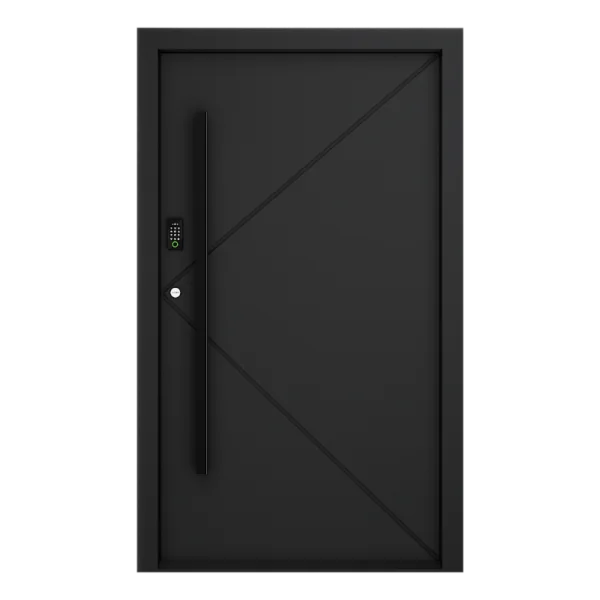
Choosing a front entry door isn’t just about looks; it’s a practical decision that influences security, energy use, and curb appeal. After Hurricane Sandy in 2012 many homeowners began prioritizing impact resistance and tighter seals, and that shift still shapes what architects and contractors specify today. If you’re exploring options, start with trusted front entry door manufacturers to see the baseline for materials, hardware packages, and warranty terms. The comparative approach helps isolate what you actually need versus what sounds nice.
Material trade-offs: wood, steel, and fiberglass
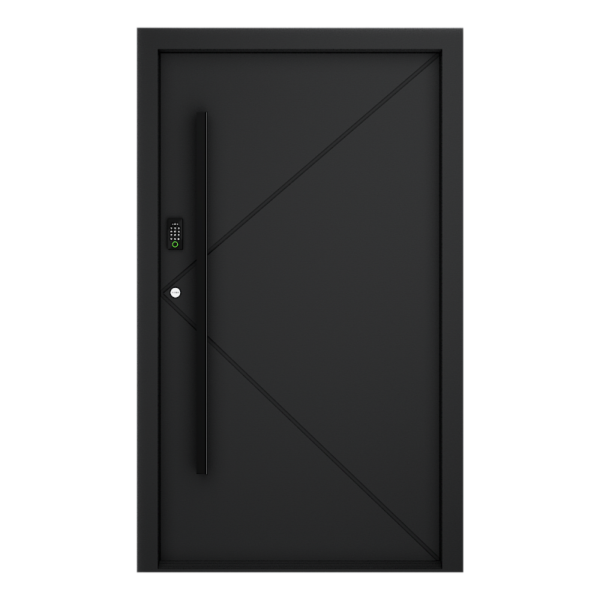
Wood offers warmth and customization but demands seasonal maintenance and can warp if installation details aren’t exact. Steel brings affordability and security—paired with a good insulated core it performs well on thermal transfer—but it can dent and shows scratches. Fiberglass replicates wood grain, resists rot, and often includes a thermal break and foam core for better insulation. Pay attention to glazing options and the presence of impact-rated glazing when considering sidelites or decorative panels; glazing choices affect light, security, and energy performance.
Hardware and performance features to prioritize
Lock geometry and strike reinforcement are where doors win or lose on security. Choose a multi-point lock or a Grade 1 deadbolt for higher resistance to forced entry. Threshold design and weatherstripping determine how drafts and water behave at the bottom edge—proper flashing and a raised threshold reduce water infiltration. Also check hinge type and hinge screws; long screws into the framing make a real difference during a break-in attempt. Those small details add up to measurable gains in safety and comfort.
Common pitfalls during selection and installation
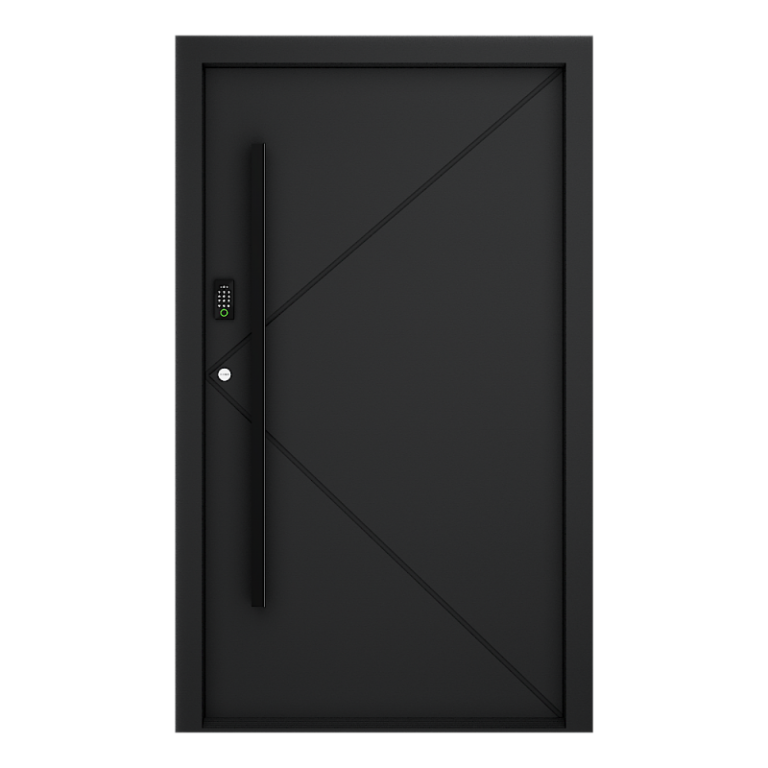
Buyers often pick a door for style and then assume installation will be straightforward—this is where failures occur. Incorrect rough opening, missing backer blocks for hardware, and neglected flashing compromise warranties and performance. There’s also the tendency to under-spec glazing for coastal or high-wind zones; impact-rated glazing is a must in many areas. Attention to the thermal break and sealing around the frame prevents condensation and cold bridging. —A quick aside: installers who rush the threshold and weatherstripping almost always create future callbacks.
How to evaluate “top rated” claims and compare offerings
Real value comes from three measurable areas: lab-tested performance, field-proven durability, and transparent warranty coverage. Look for third-party performance numbers on air infiltration, water penetration, and forced-entry resistance. Cross-check those figures against real-world anchors like coastal building code changes after major storms—data that influenced manufacturers to push impact ratings higher. Also compare lead times and finish options, as longer factory curing or factory-applied finishes often outlast site-painted alternatives. For side-by-side product lists, see curated collections of top rated front entry doors to benchmark specs rather than marketing language.
Making the final call: installation, maintenance, and cost balance
Price alone is misleading; lifecycle cost matters more. Factor in the cost of professional installation, seasonal maintenance for certain materials, and expected energy savings from a low U-factor and tight air infiltration. A robust warranty that names specific components and terms is more useful than a vague “limited warranty.” For professionals, quantify expected return on investment by comparing predicted energy savings and reduced maintenance against upfront premiums for impact-rated or insulated-core models.
Three golden rules for choosing the right front entry door
1) Verify independent performance data first—air, water, and security ratings tell you what will hold up over time. 2) Prioritize installation details—correct flashing, long hinge screws, and professional threshold fits prevent most failures. 3) Match material and hardware to your climate and use-case; coastal zones require impact-rated glazing and corrosion-resistant finishes. These rules compress the selection process into clear, actionable checkpoints.
Final thought: the right front entry door protects frames, budgets, and the people who live behind it—practical choices guided by performance specs lead to lasting value, and Zekin ties those specs to real-world solutions. —trust experience.