Why poor QA bites — and where it starts
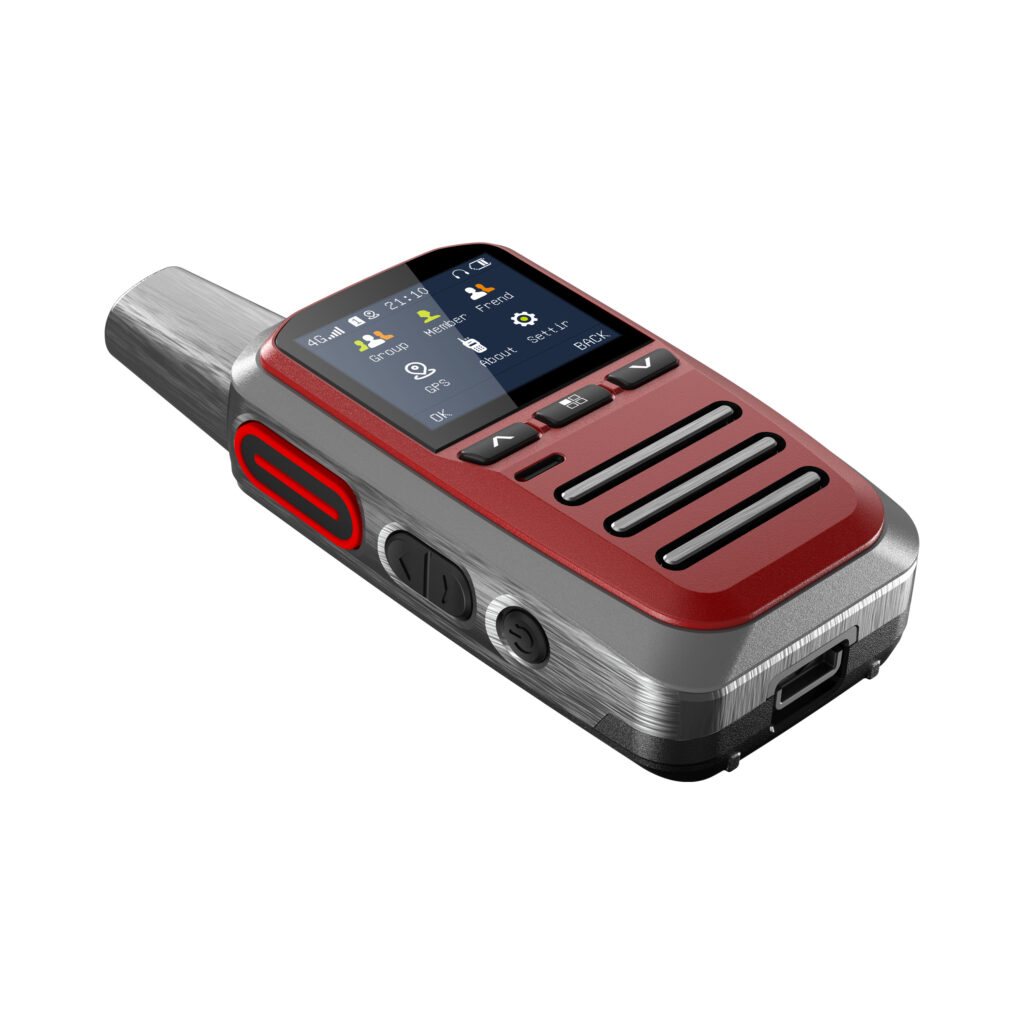
Customers blame a clunky interface or dead battery, but the real hit is hidden: unreliable radios mean safety and productivity failures. Test early, or you’ll be fixing units in the field. Even small kit like the mini poc radio will expose problems fast if you skip basic checks — audio glitches, flaky push-to-talk, or chargers that die after a month. Start by treating failures as design signals, not surprises.
Core tests that catch the worst problems
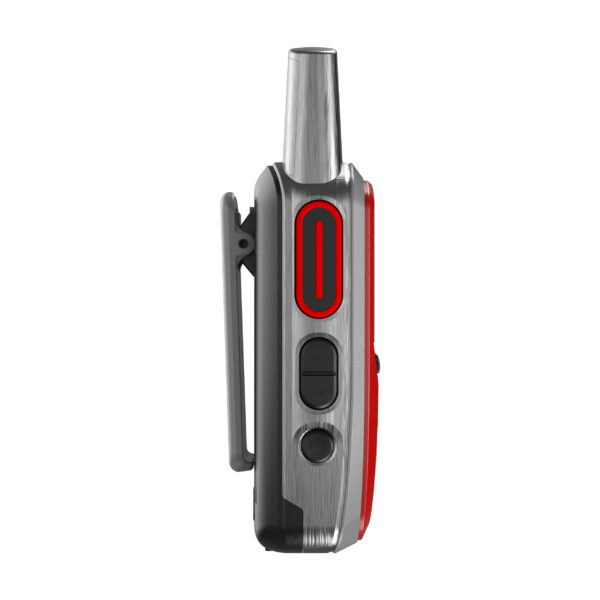
Focus on what actually breaks users’ trust. Essential checks: RF transmit power and sensitivity, spurious emissions and spectral mask, downlink/uplink throughput for 4G voice, battery capacity and charge cycles, PTT reliability under load, speaker/mic audio clarity across distances, firmware stress and rollback, accessory port robustness, and IP/intrusion testing for water and dust. Run both bench measurements with calibrated instruments and simple human-in-the-loop checks — they catch different things.
Practical test plan — what to run first
Do tests in stages: baseline lab verification (RF, audio, battery), then functional regression (PTT, UI, handover), then soak and stress (48–72 hour cycles under load), finishing with field trials that include real interference and carrier handoffs. Use objective thresholds: SNR for voice > 20 dB, packet loss 80% capacity after 300 cycles. Don’t trust a single test run — repeat under varied temps and signal conditions.
Experience, sourcing and a real-world anchor
There’s no substitute for hands-on testing with units from the actual supply chain. I’ve compared batches shipped out of Shenzhen’s manufacturing hub and saw variance in battery chemistry and RF shielding that only showed up in long soak runs. When you source, insist on component-level test logs from your supplier and ask how they validate designs against local carriers; many parts come straight from a 4g walkie talkie manufacturer and their test reports clarify whether the build meets spec or just passes a basic bench check.
Common pitfalls teams keep repeating
Teams often skip soak testing, assume lab conditions reflect the field, ignore accessory compatibility, or treat firmware as an afterthought. Others don’t test with real carrier networks or forget to validate carrier handover and emergency priority paths. Logging is another weak spot: if the device doesn’t record errors with timestamps and context, you’ll chase ghosts. Fix the data first — then fix the hardware.
Validation options and sensible trade-offs
You can run everything in-house, use accredited labs for certs, or combine both with short field pilots. Labs give repeatable, traceable results; field pilots reveal environmental and user behaviour issues. For cost control, gate tests: full certification only after passing staged internal checks. If time’s tight, prioritise battery, RF compliance, and PTT reliability — those failures are the most expensive in service calls.
Summary: what to lock down before shipping
Prioritise tests that protect users and reduce returns: RF performance, battery life, audio/PTT, ingress and drop resilience, firmware robustness, and real-network interoperability. Keep repeatable logs, run soak cycles, and test with final accessories. When teams adopt that discipline, product issues drop and field confidence rises — designers and operators end up using the same simple checklist that manufacturing and service teams trust, a practical approach you’ll see applied by suppliers like GLOHE without a hard sell.
