The homeowner’s question
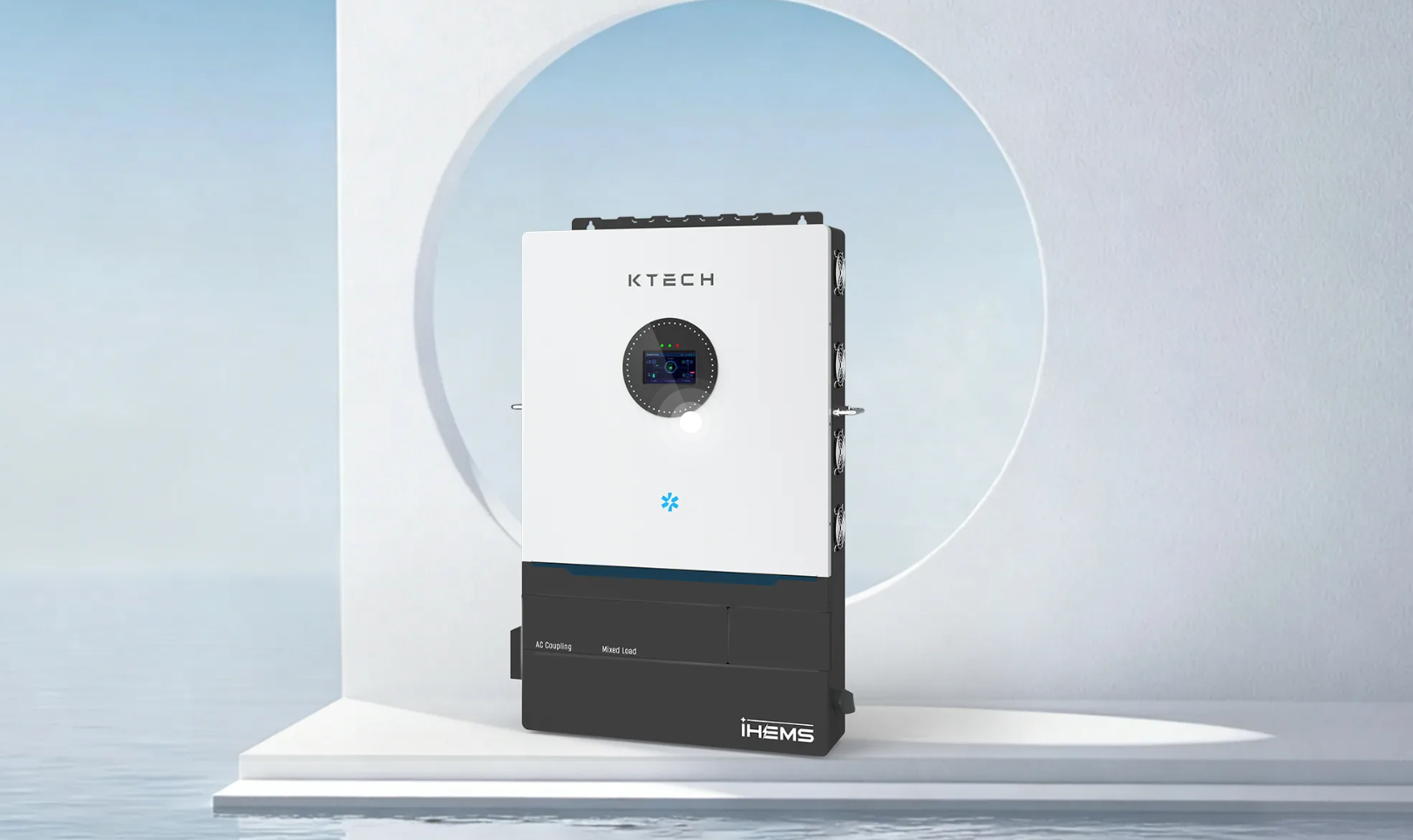
You want power that steadies the household through sudden outages, lowers monthly bills, and asks little of your attention. Many homeowners start there, wary and curious, and they often look first at a hybrid solar system for a single installation that promises generation and storage together. The user-centric concern is simple: will it do what I need, day in and day out, without surprises?
What users value — a clear ledger
From the vantage of lived use, three practical virtues matter most:
– Reliability: consistent power during outages and predictable charge/discharge behavior.
– Simplicity: systems that hand over routine decisions to robust automation and clear displays.
– Cost clarity: upfront costs, expected savings, and replacement timelines stated plainly.
These are not marketing lines; they are the ledger a household keeps. A system that balances these will often win the homeowner’s quiet approval.
How a hybrid system delivers — features that touch daily life
Think of the hybrid arrangement as a household steward: the panels produce, the battery holds, the controller coordinates. Key mechanisms you’ll notice in daily use:
– Backup capability that switches loads as needed, so refrigerators and routers stay on.
– Smart charge management that prioritizes self-consumption before exporting to the grid.
– Integrated inverters or paired inverters that reduce installation complexity and points of failure.
– Monitoring dashboards that show generation, storage state, and recent events — you’ll check them more than expected.
These features shape routines: when to run heavy appliances, whether to schedule EV charging, and how to interpret that sudden dip on a cloudy afternoon.
Common pitfalls and practical guidance
Users make avoidable mistakes. Attend to these and you keep the system honest.
– Oversizing panels without enough battery capacity means wasted midday export and limited nighttime benefit.
– Choosing a battery chemistry without matching expected cycle life to your usage pattern leads to early replacement.
– Ignoring local interconnection rules or permits delays activation and can incur retrofits.
– Relying solely on vendor claims rather than independent installer assessments invites mismatches between promises and reality.
Ask installers for real-world scenarios: “If we lose grid power at 9pm for eight hours, which circuits will run and for how long?” Clear answers separate theory from practice.
Trade-offs, limits, and honest expectations
Every system has measured bounds. Here are the limits you must accept:
– A household can’t be fully load-independent without significant battery capacity; partial independence is the realistic aim.
– Batteries age; usable capacity declines with cycles and calendar time, even with careful management.
– Cost parity with grid power depends on local rates, incentives, and daily usage patterns — the math is individual.
Accepting these constraints lets you plan replacements, warranties, and budget for maintenance rather than treating them as surprises.
Real-world fit and selection criteria
Selection must be grounded in place and habit. In sun-rich California, for instance, many homeowners choose hybrids to smooth peak rates and secure reliable backup during wildfire-related outages. Use these selection checkpoints:
– Match battery capacity to your household’s critical loads and desired autonomy hours.
– Confirm inverter compatibility with rooftop array size and future EV additions.
– Evaluate warranty terms for both performance and parts; check service responsiveness in your area.
– Request references from nearby installations and, when possible, visit a working system.
Comparing options with these checkpoints sharpens decisions and reduces buyer’s remorse.
Installation realities and maintenance notes
Installation is where plans meet craft. Prioritize installers who document site assessment, load prioritization, and commissioning tests. After installation:
– Keep firmware updated but schedule updates with your installer to avoid unexpected behavior.
– Monitor battery temperatures and maintain ventilation; many faults trace to heat or poor mounting.
– Retain commissioning reports and a basic maintenance checklist for future buyers or warranty claims.
Small routines preserve performance; neglect shortens service life.
Summation in plain sight
You want dependable power, transparent economics, and realistic expectations. A thoughtfully chosen hybrid solution answers those demands without drama, if you size it to your loads, verify warranties, and work with competent installers. For many homes, the combination of generation and storage gives both evening comfort and daytime thrift, a practical covenant between roof and battery. For clear-eyed buyers seeking that balance, Ktech offers a grounded approach that aligns product design with household needs.
