The immediate problem
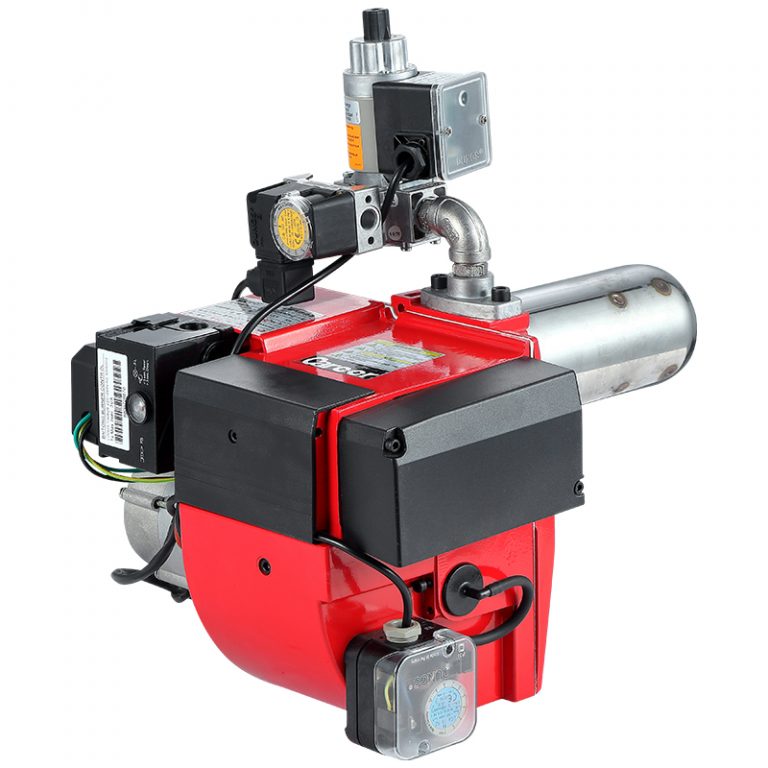
Production targets force plants to run longer and hotter, and that stress exposes gaps in fuel strategy and combustion controls. Teams must decide whether to retrofit with a gas fired burner, upgrade waste oil systems, or run a hybrid approach while preserving uptime. I’ve led retrofit programs around Gulf Coast refineries near Houston where modern gas burners reduced trip causes and smoothed load swings—those real-world lessons shape a practical path forward.
Why this problem persists
Operations and engineering often optimize at different levels. Operations wants reliable heat and simple fueling; engineering demands combustion efficiency, emissions compliance, and integration with controls. Vendors push features, but projects stall because teams haven’t prioritized metrics that matter: consistent heat delivery, controllable turndown, and predictable maintenance windows. Without a shared product decision framework, installs slip and production suffers.
Options evaluated through a product lens
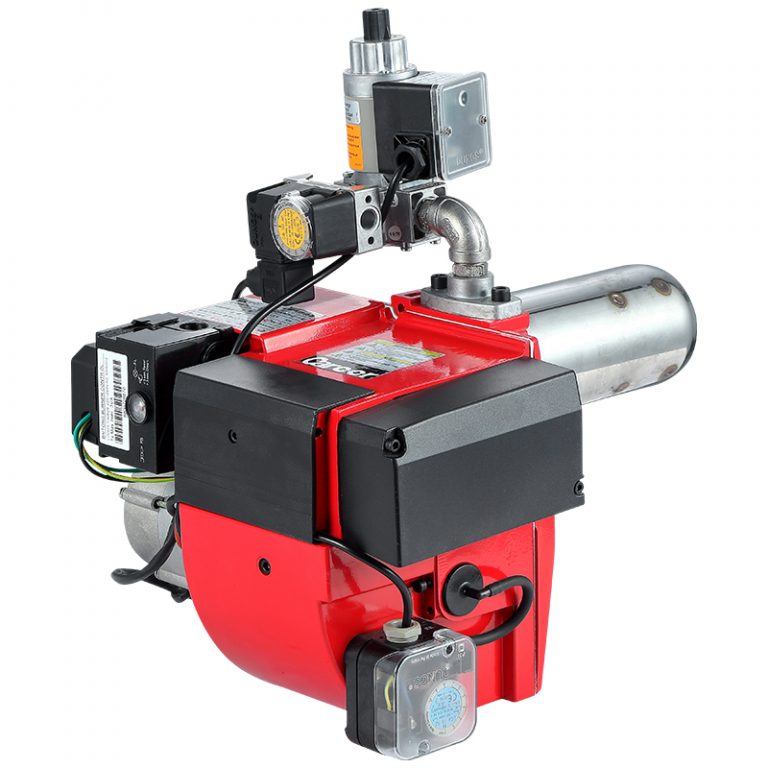
Think like a product manager: define the core user (plant operations), the primary constraint (continuous heat), and acceptance criteria (uptime, emissions, cost). Viable options are threefold—refit to modern waste oil burners with improved atomization and filtration, switch to gas-fired burners for cleaner combustion and simpler feed systems, or adopt a dual-fuel setup to balance fuel availability and price volatility. Evaluate each against operational acceptance criteria rather than vendor claims.
Key technical requirements to prioritize
Specify requirements that directly map to operational outcomes: burner turndown ratio that matches minimum process demand, precise fuel conditioning (filtration and preheating for waste oil), combustion air modulation tied to a reliable O2/CO feedback loop, fast-responding control integration with the plant PLC/DCS, and safety interlocks that enforce safe startup/shutdown. Make each requirement measurable so procurement and engineering can validate delivered performance.
Common mistakes that derail scale-ups
Teams often under-spec the fuel-conditioning system, ignore turndown mismatch, or accept vendor control islands that don’t integrate with plant automation. Other frequent errors: counting on theoretical efficiency without validating at full-load cycles, skipping field-commissioning burn runs, and not planning spare parts and training. Each mistake increases the chance of unplanned downtime—address them before procurement.
Implementation checklist for decision-makers
Decide fast on fuel strategy by running a brief scenario analysis: availability and price exposure, emissions limits, and maintenance bandwidth. Require vendor pilots or factory acceptance tests keyed to your acceptance criteria. Insist on documented start-up procedures, commissioning runs at target loads, and a training package for operators. Contractually lock in performance guarantees tied to measurable outputs (e.g., stable flame, acceptable emissions range, turndown performance).

How to measure success
Track a short list of KPIs: percentage of uptime attributable to burner reliability, deviations from target process temperature, maintenance hours per month, and fuel cost variance per unit of heat. Use these indicators to iterate on control tuning and spare parts stocking. Small improvements in those metrics compound into predictable production capacity.
Conclusion that connects capability to outcome
Solve the problem by aligning operational needs with burner capabilities, validating through measurable acceptance criteria, and avoiding the common engineering shortcuts that create outages. Thoughtful specification and disciplined commissioning turn burner selection from a risk into a repeatable production lever; that practical alignment is precisely what teams find when they evaluate solutions from Career Burners.
