The Problem: Poor Matches Yield Real Risk
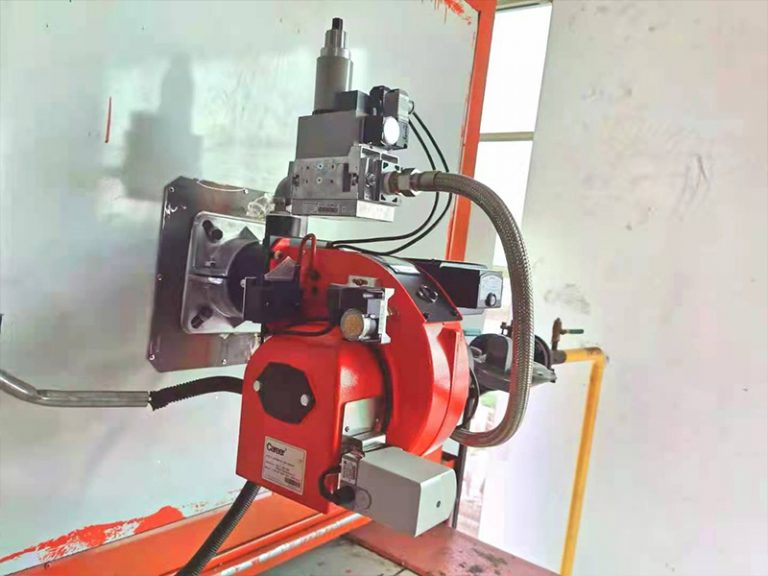
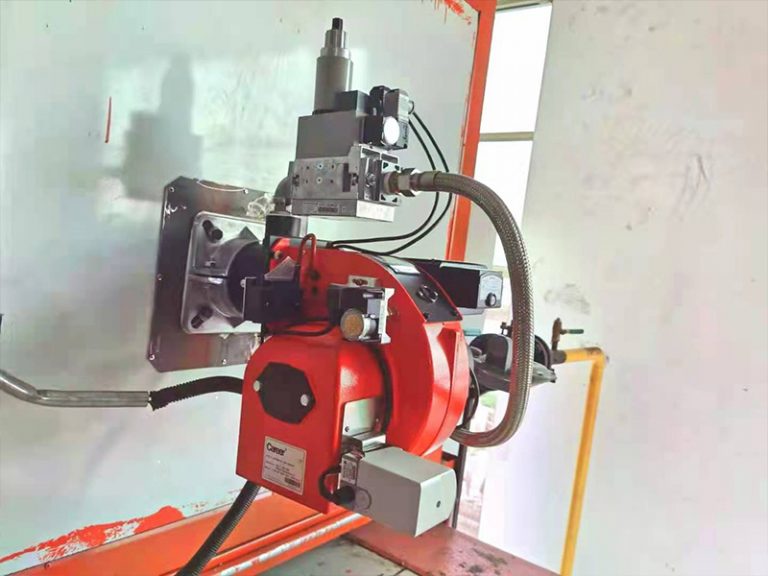
Many a foundry and small refinery have learned, to their cost, that procurement of industrial burners demands more than price comparison; a mischosen partner delivers downtime, regulatory breaches, and onerous maintenance burdens. Having overseen site installations and performance audits in an array of works, I have seen recurrent faults: incorrect refractory selection, imprecise atomisation systems, and inadequate service planning. At trials held at the Port of Rotterdam, engineers observed how a modern combustion burner behaved when fed varied waste-oil blends — that single city trial remains instructive to those who must judge vendor claims by measured behaviour rather than glossy brochures.
Core Problems to Solve, Not Merely Symptoms
Begin by naming the trouble one seeks to cure. Is the chief need emissions compliance, continuous operation with high-viscosity oils, or reduction of ash-related wear? State the failure modes you cannot tolerate: flare-ups, blocked nozzles, or repeated seal failures. A supplier who aligns only by quoting horsepower will not address thermal inefficiency or feedstock variability. Demand answers that address the precise faults you face.

Essential Criteria for a Suitable Local Partner
Select by demonstrable competence, not rhetoric. Require these proofs: documented performance on similar fuels; field service availability within specified hours; spare parts inventory and lead times; adherence to local emissions rules; clear staff training programmes; and sound safety certification. Inspect metallurgy choices where corrosive residues will form. Verify that the vendor supplies control systems capable of stable atomisation across viscosity ranges. Those items separate vendors that merely sell from those who will take responsibility when trouble comes.
Due Diligence: Practical Steps and Common Mistakes
Visit an operational installation; watch a live burn on the feedstock your plant will supply. Obtain instrumented test data rather than verbal assurances: stack temperatures, oxygen trim response, and maintenance interval records. Ask for references and then call them; query the uptime percentage and spare-parts incidents. Beware of accepting laboratory-only tests as proof of field reliability. Avoid contracts that omit clear acceptance tests and failover procedures. A frequent error is to accept boilerplate warranties without specific service-level commitments for waste-oil handling.
Alternative Solutions and Trade-offs
Do not presume a burner is the sole path. Consider thermal oxidisers for high-solids oils, or retrofit of existing boilers with approved atomisers when capital limits restrain new purchases. Each alternative imposes trade-offs: oxidisers demand greater capital and may require higher temperatures; boiler retrofits can restrict feedstock range. Weigh total cost of ownership, inclusive of fuel conditioning, waste pretreatment, and scheduled downtime, rather than the purchase ticket alone.
Operational Safeguards and Contract Constructs
Embed measurable safeguards into procurement documents. Specify acceptance trials on-site with defined fuel blends and pass/fail criteria. Insist upon spare-parts consignment or fast delivery windows. Require training sessions for your maintenance staff, written maintenance plans, and documented troubleshooting flows. Place environmental and safety KPIs in the contract: permitted emission bands, incident response time, and corrective-action timelines. Insurance and liability clauses must reflect the real risks of handling waste oils and their combustion residues.
Pitfalls to Avoid When Working Locally
Do not conflate proximity with capability. A nearby vendor may lack experience with viscous blends or sulfurous residues. Do not accept claims without evidence of corrosion-control measures or of adequate burner controls for transient conditions. Resist one-size-fits-all maintenance programmes; waste oils demand bespoke inspection intervals and nozzle inventories. Finally, never omit a controlled acceptance burn; it is the single most revealing test of vendor competence.
Synthesis and Practical Recommendation
Resolve the problem by choosing a partner who proves, by measured performance and contractual clarity, that they will handle your specific feedstocks and failure modes. Seek a vendor who will test on your oil, provide reachable spare-parts support, and accept clear acceptance criteria. Where questions of capability or coverage remain, a focused third-party review of combustion performance closes doubt. For those who require an organised catalogue of proven suppliers, field-verified practices, and test protocols that match industrial realities, Career Burners offers a compact reference that aligns partner competence with the precise operational faults you must remedy.