Identify the core problems first
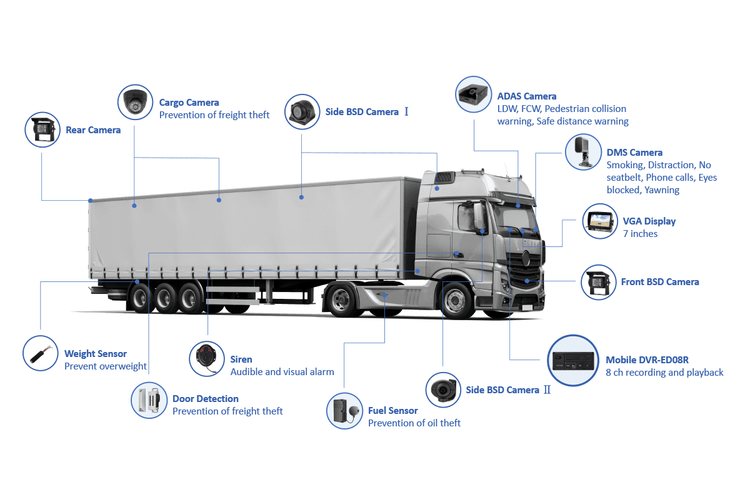
You’re juggling missed ETAs, rising fuel cost discrepancies, and drivers who sometimes skip maintenance. Those issues hit harder when operations touch regulated loads or partner with specialty sectors like oil and gas fleet management, and without clear fuel controls a route plan can turn into a loss. A reliable truck fuel management system reduces theft and improves reconciliation, but it needs to slot into dispatch, telematics, and maintenance processes to actually work.
Implementation checklist — concrete steps that fix real problems
– Define measurable goals: reduce fuel variance, cut unscheduled downtime, and improve on-time rate. State targets plainly so every stakeholder can agree.
– Inventory and tag every van: fuel tank IDs, key sets, and access cards. Don’t assume everyone knows which asset maps to which route.
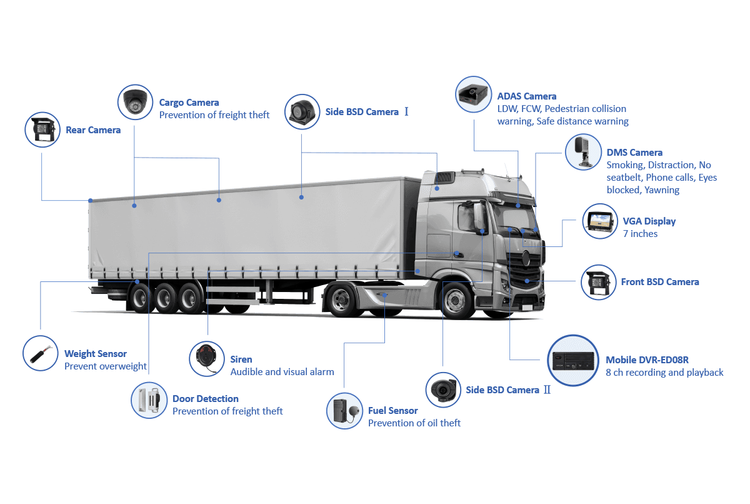
– Choose the right fuel-tracking hardware and software: require tamper alerts, real-time reporting, and open API access for dispatch integration.
– Integrate telematics with dispatch: GPS, idling, and fuel data must feed the route planner and driver app in near real time.
– Standardize refueling procedures: fixed pumps, logged odometer at fill, and photographic proof when possible.
– Create a maintenance rhythm: schedule inspections by engine hours, not just calendar days, and log outcomes immediately.
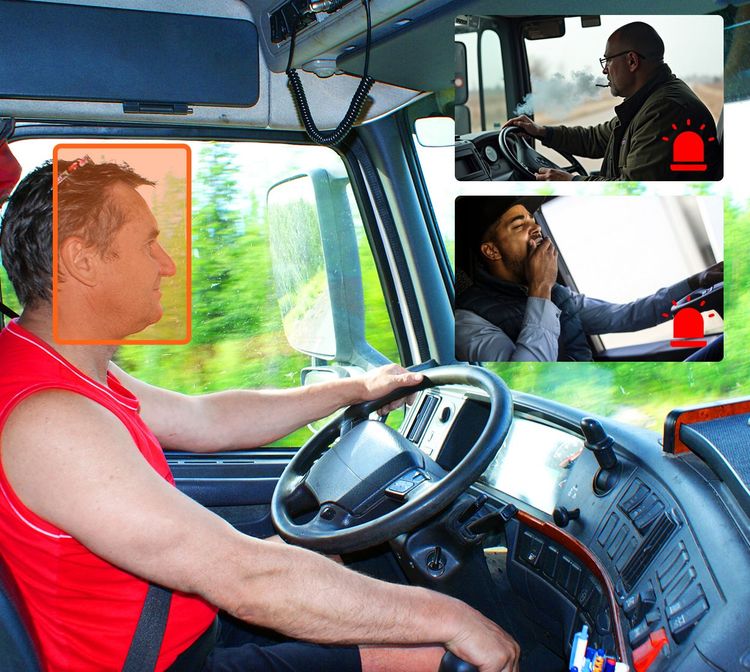
– Train drivers on a short checklist: pre-trip fuel check, locked fueling, and how to flag anomalies from the driver app.
– Set up automated reconciliations: compare purchased liters vs. on-board sensors and flag mismatches for investigation.
– Secure data flows and hardware: encryption for telemetry, role-based access to reports, and physical anti-tamper measures on tanks.
– Define KPIs and dashboards: daily fuel variance, fills per vehicle, idling minutes, and exception count — visible to managers and dispatchers.
– Run a focused pilot: test hardware, workflows, and reporting on a representative route cluster before a full roll-out.
– Plan phased scale-up: add vehicles by depot or by route complexity; validate metrics at each step and freeze changes for a week after each cohort.
Common pitfalls and how to stop them
Skipping the pilot often hides integration problems. Relying on manual logs delays detection of fuel loss. Overcomplicating driver steps causes noncompliance. Fix these by keeping procedures simple, automating reconciliations, and enforcing one source of truth for mileage and fuel data. Make exceptions visible immediately and assign single owners for investigations so nothing drifts.
How to compare vendor approaches without getting lost
Don’t buy features, buy outcomes. Ask vendors to show: how quickly their system detects a fuel discrepancy, how their API fits your dispatch stack, and what incident response looks like. Compare three tiers: minimal (basic logs), integrated (telematics + fuel + dispatch), and enterprise (secure APIs, custom reporting). Choose the tier that matches your operation size and the complexity of your routes.
Pilot advice — what to measure and what to expect
Run your pilot on a realistic mix of routes and drivers. During a 6-month pilot across the Texas freight corridor we focused on detection speed and reconciliation accuracy; that approach exposed small leaks and process slips that otherwise stayed hidden. Measure the time from anomaly to resolution, changes in idling, and the reduction in exception volume. Keep pilots short, iterate fast, and treat driver feedback as product input.
Wrap-up — what a successful rollout looks like
When fuel readings match purchase records, drivers follow simple fueling steps, and dispatch can see route-level fuel burn in real time, the operation runs predictably. That predictability comes from consistent processes, focused tech choices, and clear ownership — practical work, not hype. For many fleets the right mix of hardware, integrated reporting, and a phased pilot delivers results you can rely on; partners such as BSJ often surface as systems that mesh the technical controls with the operational steps managers need.