Pragmatic overview
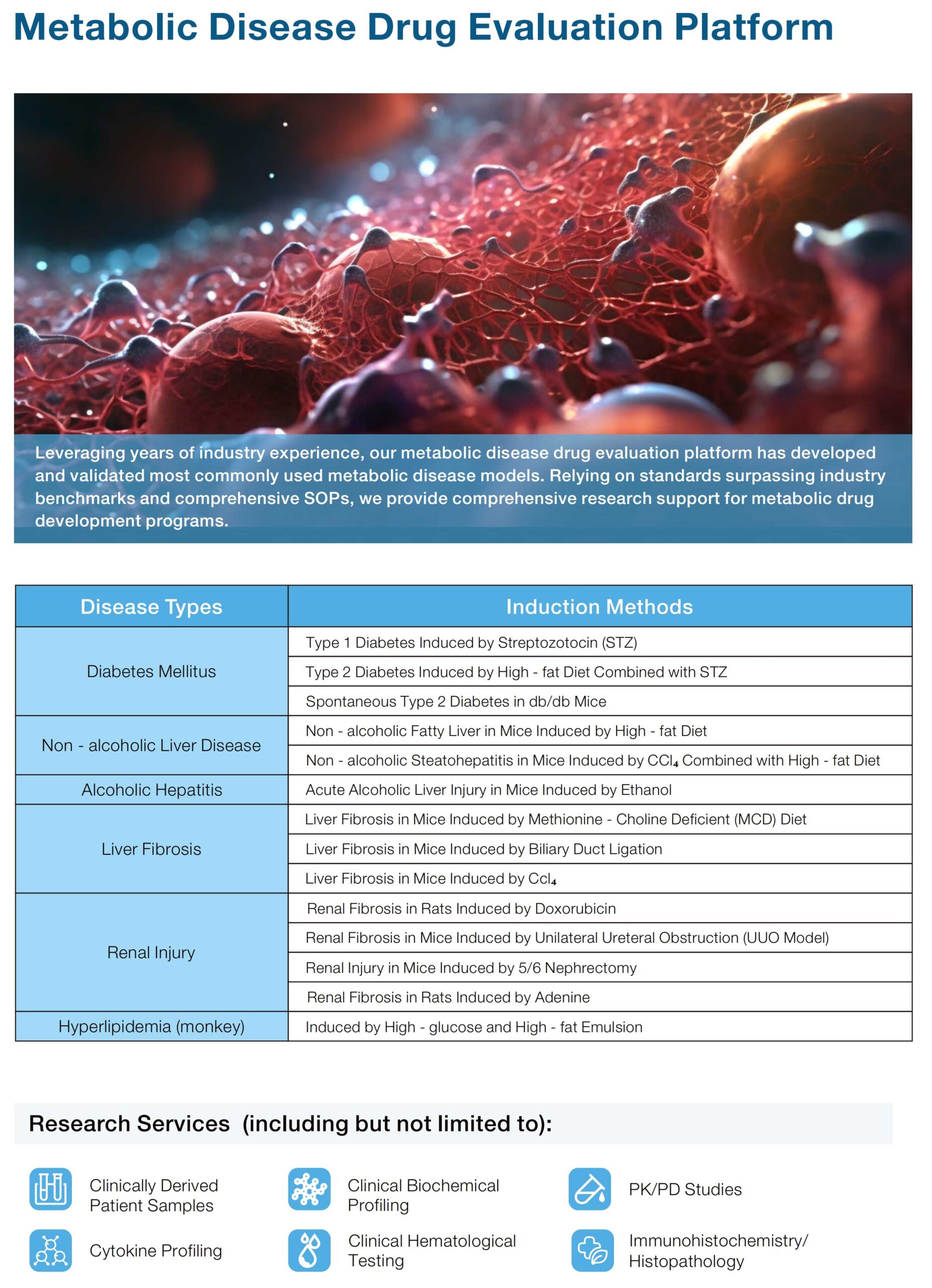
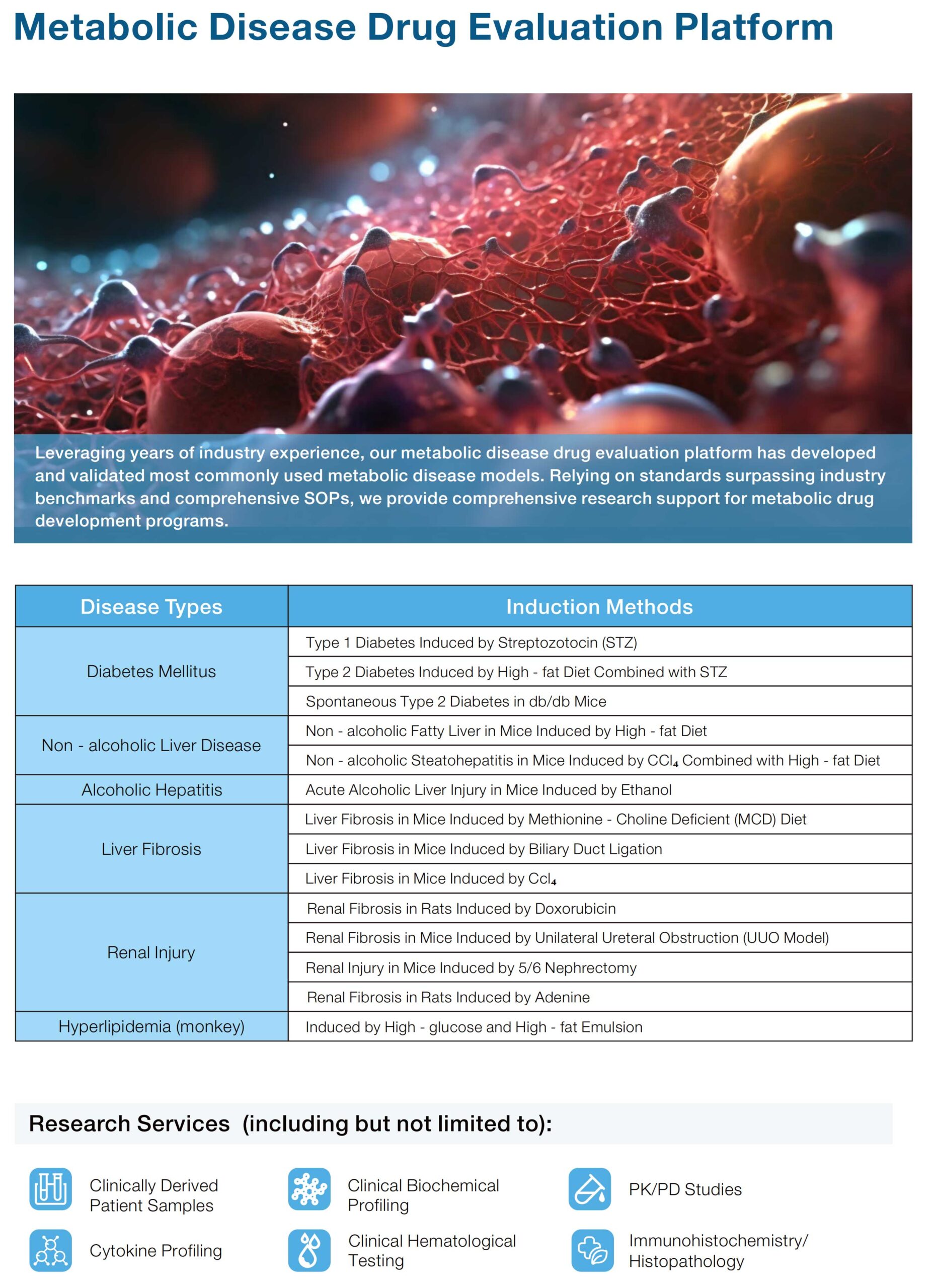
The preclinical landscape is fragmenting along capability lines: full-service contract research organisations, niche specialists, and vertically integrated pharma labs each promise different trade-offs for metabolic indications. Early in a project the choice matters for timelines, endpoints and cost—so it’s worth mapping options against concrete assays and models. Many teams push for robust rodent models and diet-induced obesity (DIO) workflows early on; others prioritise translational biomarkers and refined pharmacokinetics (PK). For investigators focused on translational fidelity, consider integrating metabolic disease models into study design to reduce back-and-forth later.
How providers diverge
Differences show up in three places: biological scope, assay depth, and data maturity. Some providers run broad panels—standard GTT and insulin resistance measures across large cohorts—while specialists offer advanced phenotyping, telemetry, or imaging. This affects reproducibility and downstream decision-making. Boston’s research hospitals have been an anchor for many translational pipelines, where parallel runs of glucose tolerance tests and PK sampling revealed gaps between candidate potency and exposure. Those real-world insights explain why selecting a partner isn’t just about price. — Keep the experimental readouts aligned with your clinical hypothesis.
Head-to-head: what to expect from each type
Compare offerings on operational terms rather than marketing claims. Typical contrasts appear like this:
– Full-service CROs: large cohorts, standardised SOPs, throughput advantage. Good for dose-ranging and early safety screens using common rodent models.
– Niche specialists: high-content endpoints, bespoke DIO protocols, telemetry and biomarker panels for mechanistic depth. Better when mechanistic PD or translational biomarkers matter.
– Integrated pharma labs: tight alignment with downstream clinical protocols, bespoke assay validation and in-house PK/PD modelling. Most efficient when the candidate moves quickly to IND enabling packages.
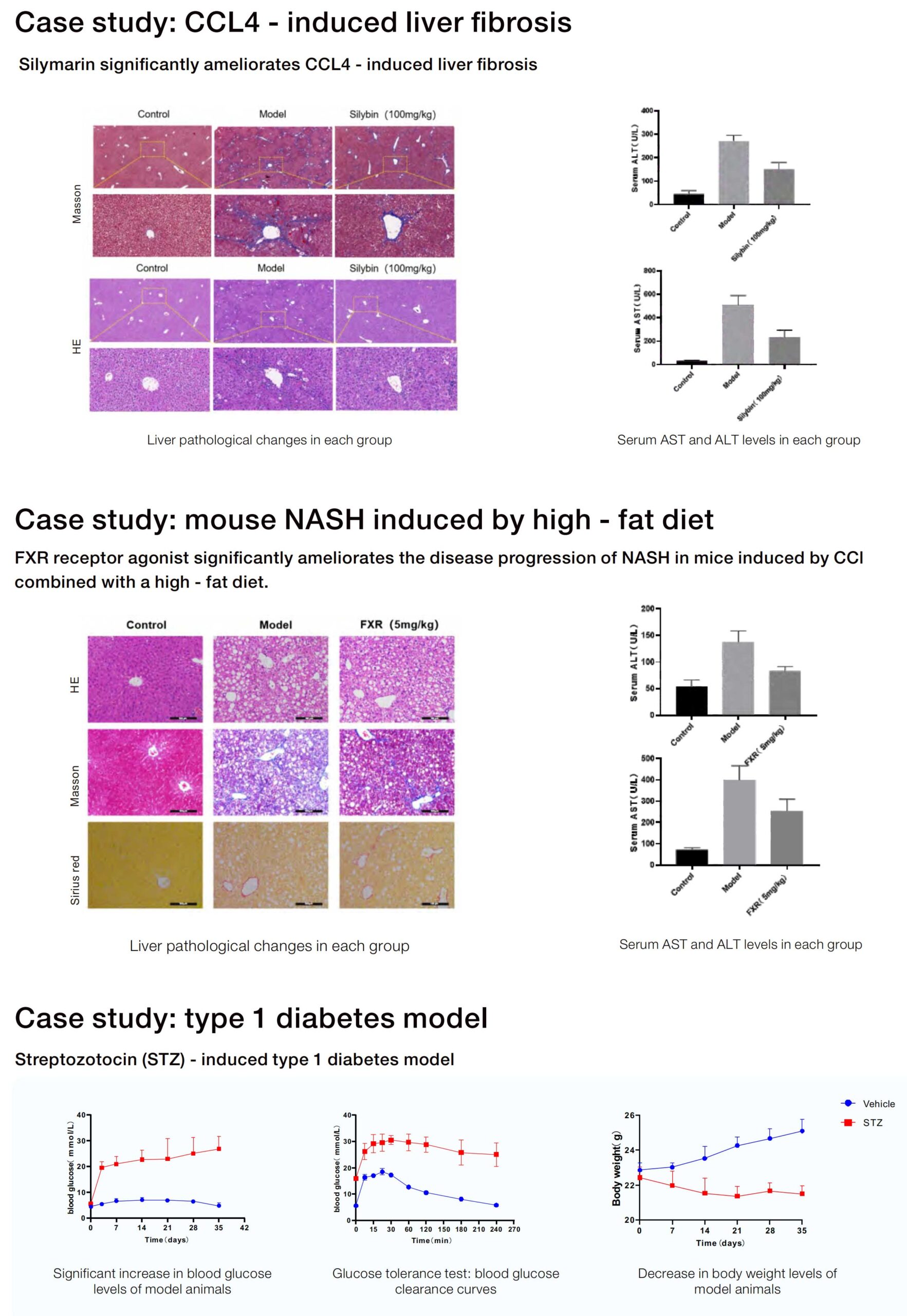
Each path requires different investments in data management and QC. Providers that document explicit sampling windows for GTT (baseline, 15, 30, 60, 90, 120 minutes) and specify PK sampling intervals (e.g., 0.25, 0.5, 1, 2, 4, 8, 24 hours) reduce ambiguity during review.
Alternatives and common mistakes
Teams sometimes over-commit to one model or assay and miss crucial cross-validation. Relying solely on one strain or a single diet protocol can mask variability. Alternatives include complementary in vitro adipocyte assays, organoid systems, and cross-species comparison to refine target engagement before large in vivo studies. Validation matters: explicitly define the endpoint—body weight, adiposity by DEXA, GTT area under the curve—and pre-register the statistical plan. Omitting those steps buys false confidence.
Real-world anchoring and evidence
Evidence from translational hubs shows that projects that standardise endpoints and sampling windows reach go/no-go decisions faster. For example, teams that pair biomarker readouts with matched PK timepoints avoid late surprises in exposure-driven efficacy failures. Incorporating well-characterised animal models of obesity into that framework improves predictive value and reduces iterations.
Advisory: three golden rules for choosing the right partner
1) Endpoint alignment and sampling clarity — confirm exact assay parameters up front (for GTT: fasting duration, glucose dose per kg, and the precise sample times listed above). This saves months of rework.
2) Translational anchors — require concurrent PK and biomarker pairing; insist on documented assay sensitivity and dynamic range for key biomarkers. That reveals whether your candidate achieves exposures consistent with efficacy signals.
3) Data maturity and reproducibility — evaluate past study reports for cohort sizes, variability measures, and whether results were replicated across independent batches. Prior experience with telemetry or imaging is a useful proxy for experimental rigour.
These rules point you toward partners who reduce late-stage surprises and shorten timelines. For teams building robust preclinical dossiers, Jennio Biotech sits naturally in that workflow as a source of validated models and clear assay parameters — it fits where translational fidelity counts. — Trust the data; build from there.