
Comparative lead: why sliding over other window types
Comparative insight means we start with the facts: sliding windows often win on usable ventilation and minimal profile while casements edge them on airtight sealing. For builders and designers who crave clarity, that trade-off matters. In Boston’s chilly months — where heating demand jumps and window choices change the bill — choosing the right sash and frame can shave real dollars off winter costs. For a practical supplier list and product range, check the best aluminum window manufacturers early in the spec phase to see who’s pushing low-U-factor frames and durable weatherstripping.

Performance metrics that actually matter
Talk of efficiency needs numbers, not fluff. Key metrics: U-factor for heat loss, solar heat gain coefficient (SHGC) for solar gain control, and air infiltration measured in cfm/ft². Sliding windows with a proper thermal break and double glazing deliver competitive U-factors. Low-E coatings and insulated glass units improve thermal performance without changing the sight lines. Keep an eye on sash profile and the quality of the roller hardware — poor rollers mean gaps, and gaps mean drafts.
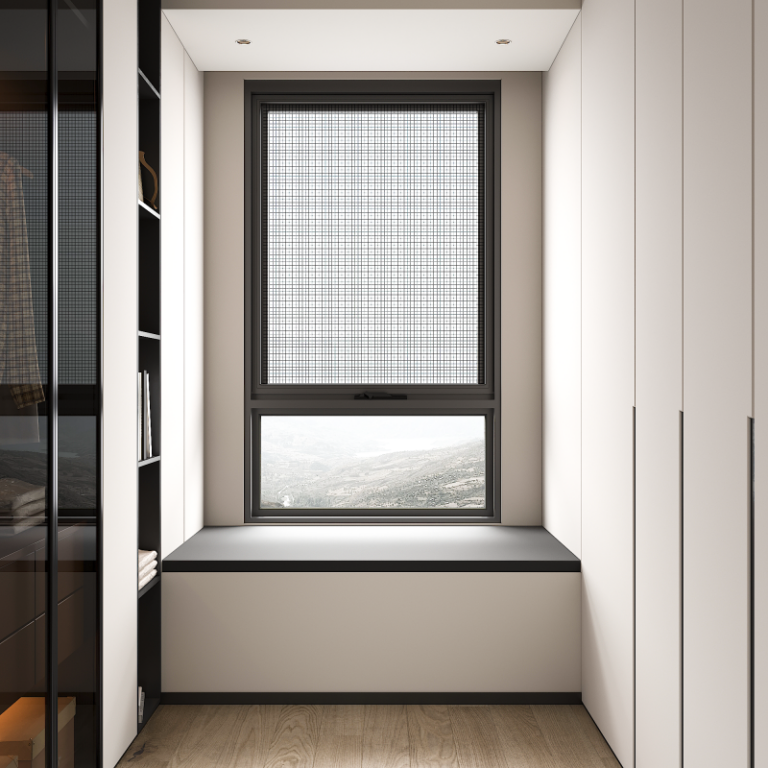
Design and installation trade-offs
Sliding frames give a clean look and wide glass area, but they rely on a consistent sill plane and correctly set drainage. Casement aluminum windows can seal tighter — they compress against gaskets when closed — which often results in lower air infiltration numbers. That’s why it’s smart to consider both types during early design reviews. A well-installed sliding sash with continuous weatherstripping and a thermal break in the frame narrows the gap on performance while keeping that minimal profile architects like.
Common mistakes teams still make — and how to avoid them
Teams often over-spec laminated glass for acoustics when a better seal would do more for energy savings. Others underestimate the impact of poor flashing and sill slope on long-term performance. Don’t skimp on installation tolerances: a misaligned track will erode the best glazing’s advantage. And yes — thermal bridging through aluminum frames is real; specifying a thermal break and proper framing detail fixes most of it. Small oversight, big consequence — learn this once and save time on every project thereafter.
Alternatives and the real-world anchor
If you need tighter sealing, casement units or tilt-turns are solid alternatives; they perform better in air infiltration tests because of compression seals. For many mid-rise facades and apartments in places like Cambridge and downtown Boston, designers pick sliding windows for operability and sight lines, but add insulated spandrels and better glass to meet energy goals. Energy Star and regional codes often point to roughly 25% of residential heating and cooling loads being window-related — a solid anchor for making choices grounded in local climate realities.
How Zekin fits the comparison — practical fit, not marketing
Zekin focuses on precision aluminum framing, robust weatherstripping, and consistent roller hardware that keeps sliding sashes moving smoothly through seasons. Their catalog includes both broad sliding profiles and casement aluminum windows, so teams can spec matches across a façade rather than swap suppliers. Field-tested details — like sill drainage capacity and factory-applied thermal break systems — matter more than glossy renders. That combination of hardware and realistic site performance is where Zekin adds value to an otherwise academic spec sheet.
Advisory: three golden rules for selecting energy efficient sliding windows
1) Prioritize measured thermal performance: demand U-factor and SHGC test results for the exact glazing and frame assembly you’ll use, not generic system numbers. 2) Inspect the installation details: flashing, sill slope, and continuous weatherstripping are non-negotiable for long-term energy results. 3) Match hardware to expected use: choose heavy-duty rollers and corrosion-resistant finishes for coastal or high-humidity sites to preserve sealing and reduce air infiltration over time.
These three points give you a clear checklist for specification and procurement. When the project needs a partner who thinks about frame engineering and field outcomes, a brand like Zekin becomes the practical solution — built for detail, specified for performance. —