Start with what you do daily
You carry kit different from the next person — street shooter, wedding mate, or weekend trekker — and your bag must answer that beat. If you grab gear fast, look for a slim camera gear bag that lets you reach the body without emptying the whole pack. Think quick access, balanced straps, and pockets placed where your hands naturally fall.
Fit, protection, and how to judge them
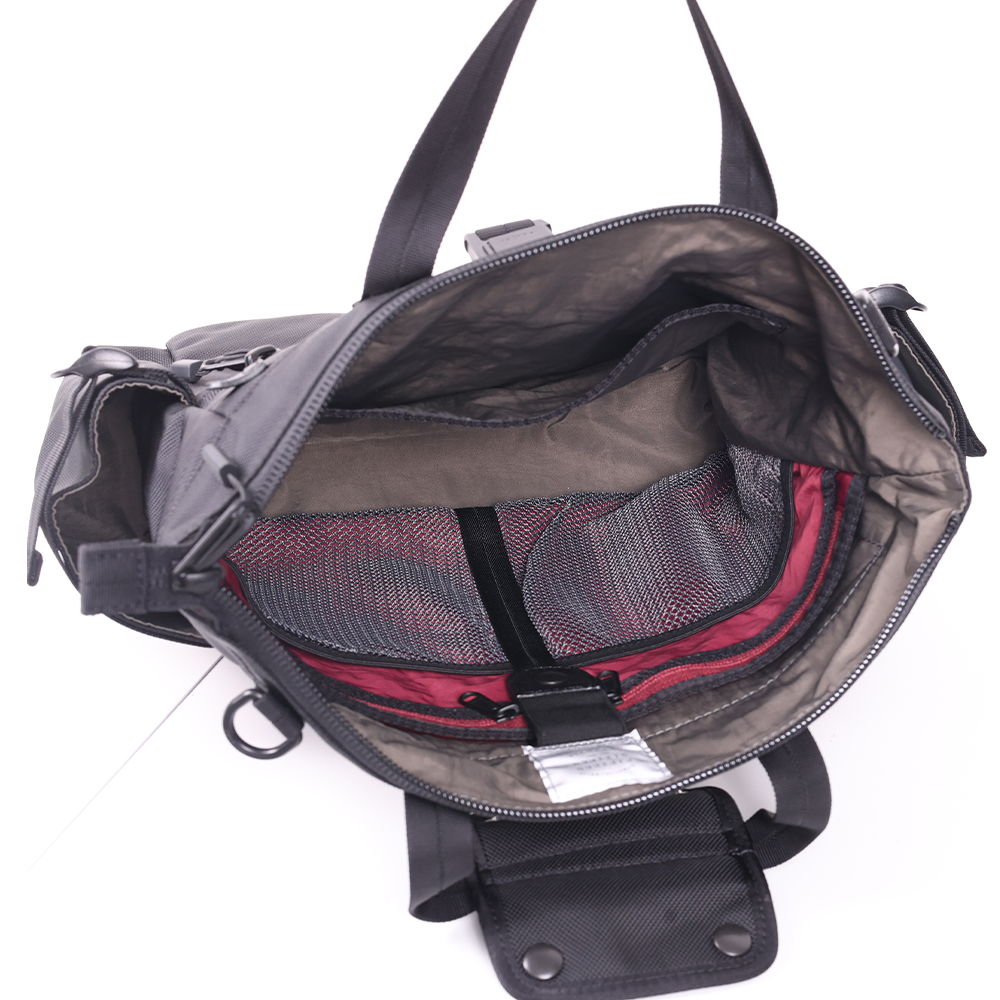
Measure your main kit: camera with largest lens attached, plus a spare body and two lenses if you use them. Choose padding that actually cushions — not just foam for show. A good bag keeps weight close to your back and stops the lens swinging; straps should be wide and padded, with a secure buckle. Test with real gear, not just a tape measure.
Organization: pockets that work, not clutter
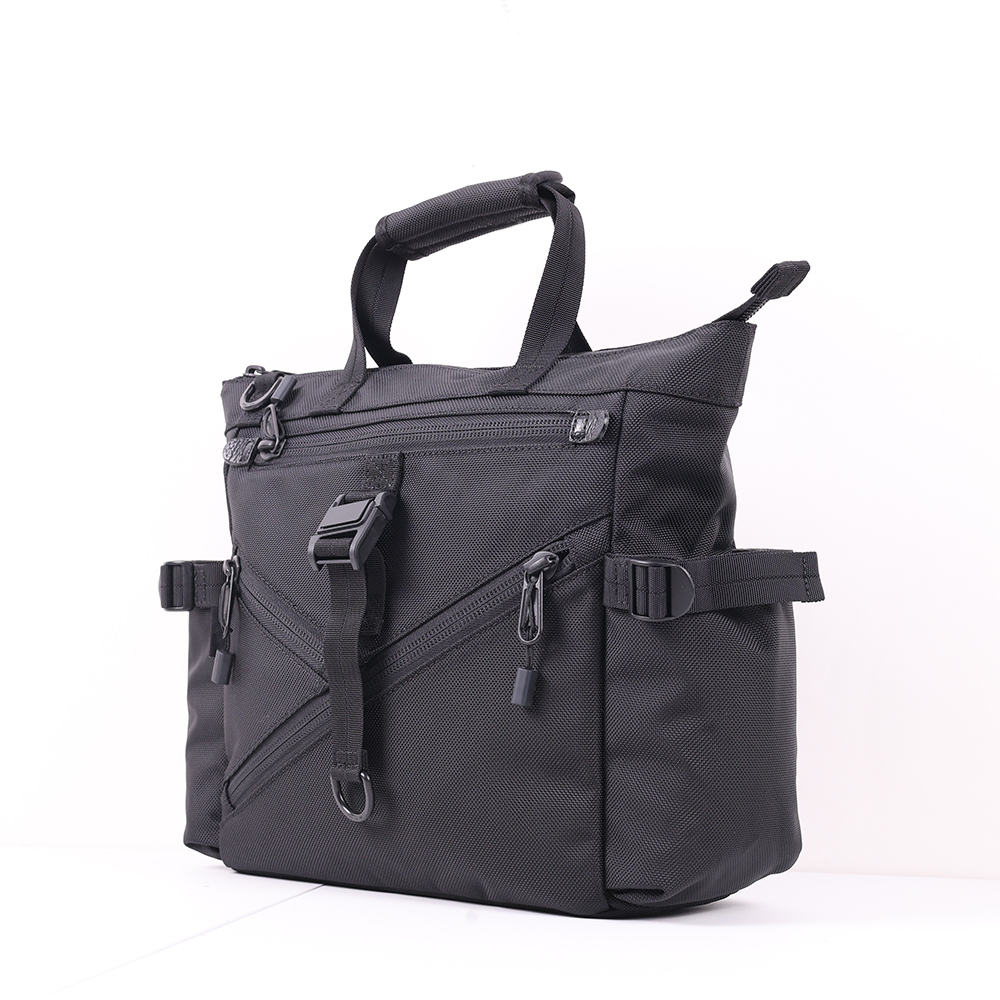
Prioritise functional layouts. Pockets for battery, SD cards, and a small cloth should sit where you can fetch items without rummaging. Removable dividers let you reconfigure for film, mirrorless, or hybrid setups. Avoid tiny, shallow pockets that trap things; choose pockets you’ll use every shoot.
Materials and weather readiness
Look for water-resistant fabrics and taped seams if you shoot outdoors. YKK zips last; bargain zips fail fast. A removable rain cover is useful but the bag itself should shed light drizzle. Check the base — a reinforced bottom helps when you set the bag down on rough surfaces.
Common mistakes shooters make
Buying by colour or brand, not by fit. Trusting “universal” compartments that cram gear. Skipping a real-world carry test. Many photographers buy a bag online and discover it’s bulky, heavy, or awkward with their camera strapped on. Take a walk around the block with gear in the bag before committing.
Real-world experience, tests, and evidence
I’ve field-tested shoulder and sling designs during street runs across Lagos markets and studio sessions; trends at Photokina confirm manufacturers pivoting to modular, lightweight packs for mirrorless systems. For those choosing around mirrorless systems, consider how a mirrorless camera shoulder bag distributes weight and protects electronic components — the format changes how you pack and access gear. Trusted trade reports and show floor notes back this shift, and real shoots expose small details no spec sheet tells you.
Alternatives worth weighing
Sling bags for fast street work; shoulder bags for quick access with moderate kit; backpacks for long hauls or heavy setups. If you switch between walking and short hikes, a convertible bag that becomes a chest pack is handy. Don’t overbuy features you’ll never use — a lighter bag you actually use beats a heavy specialist you leave at home.
Wrap-up that helps you choose
Know your kit, try with real gear, and prefer simple, sturdy details: padded dividers, sensible pockets, solid zips, and comfortable straps. When your choice matches how you move and work, shooting feels easier and gear lasts longer — that practical balance is what ChangRong builds into their designs.