Start with the problem — plain and simple
You’re standin’ on the shop floor, tools clatterin’, deadlines breathein’ down your neck, and choices pile up like empty crates. The real question ain’t shiny features; it’s what breaks the bottleneck today. Is the trouble repeatability, layout limits, downtime, or the folks trying to keep machines runnin’? Pick the problem that costs you the most, then match tech to that pain. If handling and flow rank high, consider an intelligent conveyor system as part of the fix — it keeps parts movin’ with fewer human hands and fewer mistakes.

Practical checklist to narrow choices
Don’t chase labels. Use this short list to separate what helps from what distracts:- Throughput need: how many finished units per hour do you actually want?- Footprint and modularity: will the line need to shrink, grow, or reroute?- Integration cost: can your current controllers, MES, and safety systems talk to the new gear without a forklift full of adapters?- Maintenance profile: mean time to repair, spare-part commonality, and who’s trained to touch it.- Total cost of ownership: purchase price, energy draw, maintenance labor, and expected lifespan.Answer those in order. That sequence points you toward specific solutions instead of shiny vendors.
Linear motors — where they shine and when they don’t
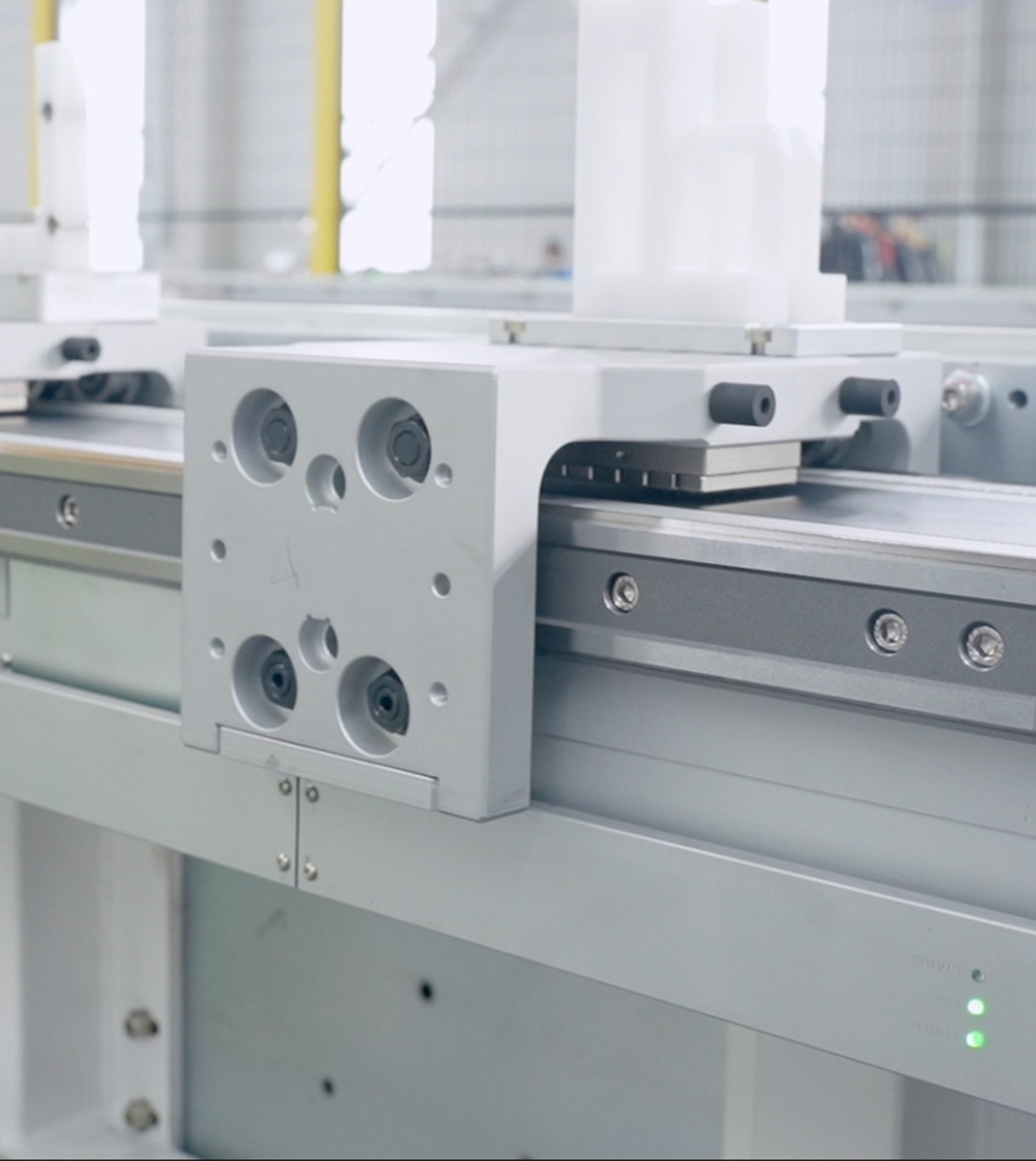
Linear motors give you direct, smooth motion without belts or screws. They’re fast, precise, and great when you need repeatable pick-and-place or indexing with minimal vibration. At Hannover Messe they showcased how linear systems cut cycle times on electronic assembly lines — that demo’s stuck in my mind ’cause it proved performance in a live production setting. Use linear motor technology when you require tight positioning and short settle times, low mechanical wear, and a compact layout. Skip ’em if you need cheap, long-stroke movement with loose tolerances; there, belts or ball screws can keep costs down.
How to evaluate vendors and technology — hands-on tests
Don’t take brochures as gospel. Run a pilot that mirrors your worst-case part and cycle. Ask for these on-site demonstrations:- A timed run with your part, under your tooling, on your cadence.- Failure-mode scenarios: sensor faults, power drops, and jam recoveries.- A spare-parts list and lead times for three years out.Watch the control logic and HMI. If you can’t trace a fault in five minutes, you’re buying trouble. Trust is built on transparency; vendors who show wiring, error logs, and diagnostic screens are the ones who’ll stand by you.
Common mistakes that chew up budgets
Folks make the same predictable errors: over-specifying for rare peaks, underestimating integration time, and ignoring worker ergonomics. Don’t assume “more precise” is always better — excessive precision adds cost and complexity. Don’t let ROI live only in a spreadsheet. Consider who’ll maintain the system next Tuesday, not just who sold it to you today.

Putting the pieces together
I cut my teeth on assembly lines and PLC racks, and I learned you pick solutions by fixing the worst problem first, then layering capability. Match scope to the real bottleneck, test the tech with your parts, and choose vendors who let you look under the hood. That approach tends to steer teams right — and it’s the same plain logic that guides how companies like FHS design lines that actually run day in and day out.
