Why this matters to you
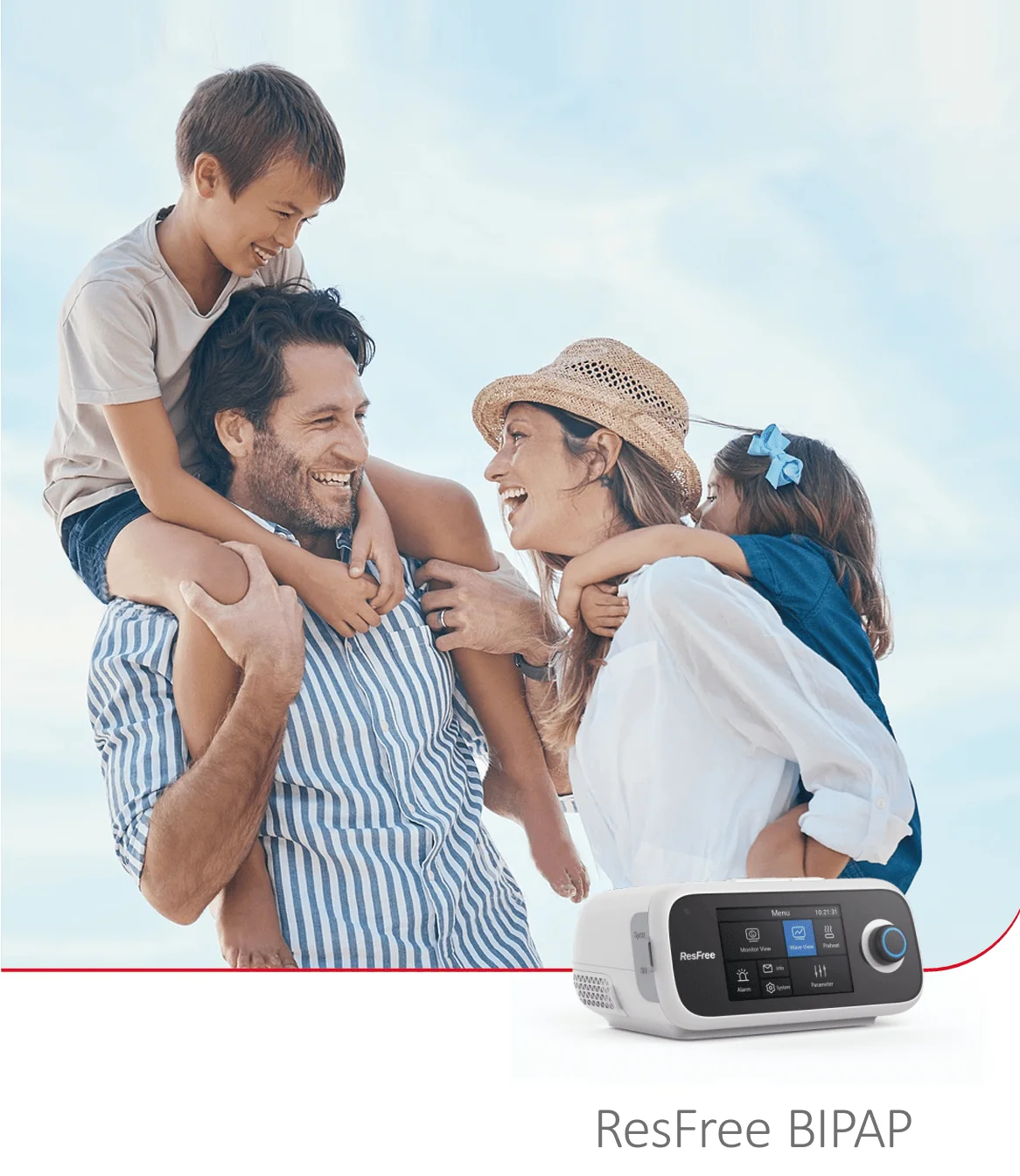
Right then — if you’re caring for someone who needs mechanical support at home, this is written for you. Folks want clear guidance on how a non-invasive ventilation (NIV) device blends with daily life, how it differs from a cpap device, and what to expect from set-up and follow-up. The emphasis here is practical: mask interface choices, pressure support settings, and how the device responds to breath effort matter more than jargon. This is about making breathing predictable and life manageable.
Understanding the user journey with NIV
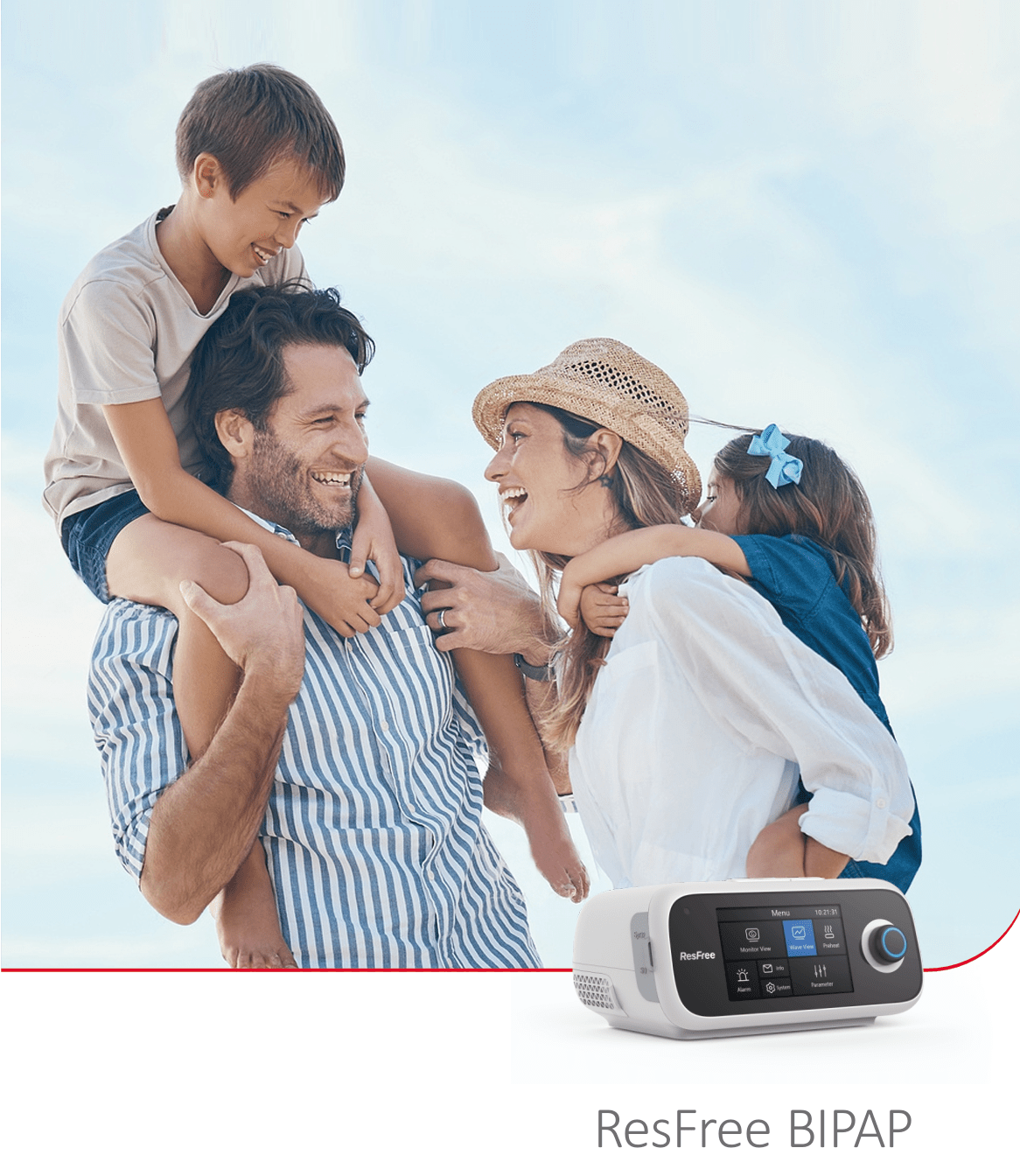
Start simple. A Niv respiratory machine delivers non-invasive ventilation to support tidal volume and ease the work of breathing. From day one, focus on comfort — the wrong mask or trigger sensitivity can make nights miserable. Many carers find that a machine with adjustable trigger sensitivity and a gentle ramp makes adherence far easier. NHS services leaned heavily on non-invasive ventilation approaches during the 2020 COVID-19 surges, which pushed home-care teams to refine comfort-led protocols that still work now.
Everyday setup and the bits that trip people up
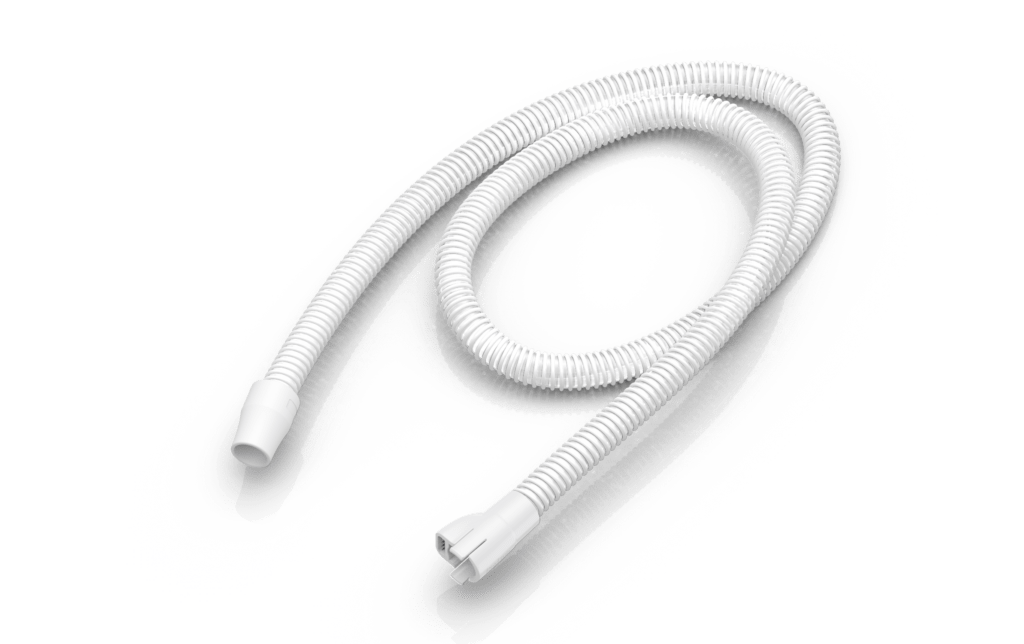
Operational practicalities usually cause most bother, not the tech itself. Place the unit within reach, check tubing for kinks, and confirm the backup rate suits the patient’s breathing pattern. Make a small checklist: mask fit, leak rate, pressure support settings, humidification status. A tiny leak tolerated at night can become a noisy, sleep-stealing problem. Don’t skip daily visual checks — they catch worn seals and loose fittings long before they cause distress.
Interface choices and sleep-related use
When sleep’s the issue, many move from a basic CPAP to a bilevel approach — that’s where bipap for sleep apnea comes into the picture for folks with obstructive events plus hypoventilation. Pick an interface that stays put without pinching. A full-face mask, nasal mask, or nasal pillows each alter leak patterns and comfort; clinicians will balance pressure support, PEEP, and leak compensation accordingly. Keep the explanations simple for the user — explain comfort changes in teaspoons, not textbooks.
Common mistakes carers make — and how to avoid them
Too much focus on the machine’s specs can distract from real-world outcomes. Don’t crank up pressure support as a reflex — small incremental changes are kinder. Neglecting humidification invites dry mouth and airway irritation; replace filters and humidifier water per the manufacturer’s interval. — Make spare masks and elbow connectors part of your kit; they save late-night rescue runs. Train one reliable backup carer so the device is never left unattended for long stretches.
Comparing Niv models and alternatives
Not all machines are equal for home use. Look for units designed for patient-triggered cycles, low noise, and sensible alarm logic. Simpler units with clear menus help carers sooner than feature-rich devices that need specialist navigation. Alternatives include transport ventilators for mobility or specialised home bilevel units for chronic hypoventilation; weigh portability against battery life and tidal volume stability. Real patients often prefer a steady, quiet machine over flashy extras.
Three golden rules for choosing and managing NIV
1) Prioritise comfort over headline specs — good adherence starts with fit and perceived ease. 2) Verify clinical settings match daily needs — check trigger sensitivity, pressure support, and backup rate with a clinician during a hands-on session. 3) Build a small maintenance routine — daily visual checks, weekly filter swaps, and monthly mask inspections prevent most problems.
Final thoughts
Choosing the right Niv respiratory machine is less about the fanciest feature and more about how well it fits into a person’s life and sleep. Practical checks, sensible pressure support adjustments, and routine care make the biggest difference. That’s where Byond adds real value — matching usable devices with support that keeps breathing steady and households calmer. —
