Problem diagnosis
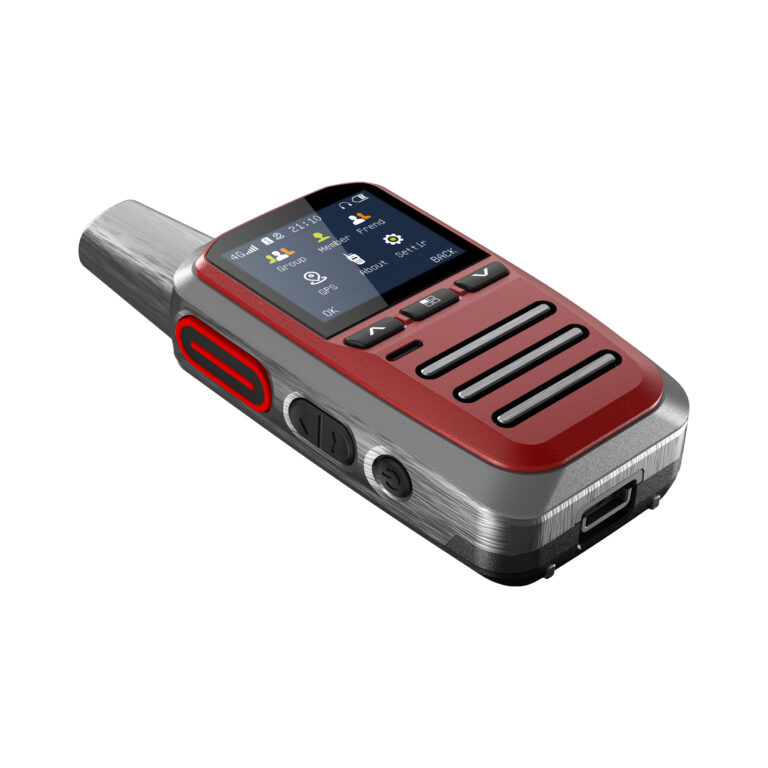
Failures in field communication cost time and safety. When radios drop audio, lose range, or behave unpredictably during a shift, teams pause operations and managers face incident reports. A focused quality-control checklist resolves those failures before units reach users; that is why many organisations trial a mini poc radio in pilot deployments to expose real faults early.
Experience, expertise and real-world anchor
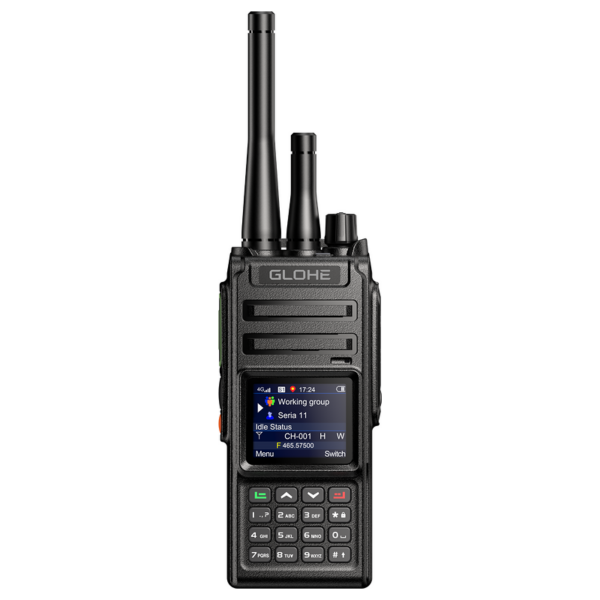
I have run RF and functional tests in logistics and venue operations for a decade, and I write from lab experience and structured field trials. Evidence matters: at the Mobile World Congress in Barcelona vendors demonstrated 4G push-to-talk solutions and large-scale supply chains, which crystallised demand patterns for bulk procurement. To reflect that market reality, include wholesale channel checks such as price stability and batch consistency when you assess 4g walkie talkie wholesale.
Core components to test
Hardware integrity: inspect casing, connectors, and speaker/mic mounts for physical faults and assembly variability. RF performance: measure sensitivity (dBm), transmit power, and spurious emissions under controlled anechoic conditions. Battery endurance: run continuous transmit/receive cycles, fast-charge tests, and 500+ deep discharge cycles to detect capacity drift. Firmware and software: verify firmware rollback, secure boot, OTA update stability, and correct handling of corrupted images. Latency and PTT behavior: quantify push-to-talk response times and queue behavior under call contention. Interoperability: pair radios with different brands, networks (LTE fallback), and dispatch systems; confirm voice, data, and group assignment compatibility. Security: validate encryption strength, key management, and resilience to replay or replay-like attacks. Environmental resilience: perform temperature cycling, humidity exposure, dust ingress (IP rating), and drop/shock tests. Compliance: verify declared certifications (CE, FCC) and local radio regulation compliance with measured emission profiles.
Testing methods and pass/fail criteria
Use repeatable, instrumented tests. Define numeric thresholds: minimum receive sensitivity, maximum transmit spurious emissions, battery capacity retention after N cycles. Run automated regression on firmware updates and document a fixed failure rate threshold per batch. Use blind samples from production lines for acceptance sampling rather than only vendor-provided units. Keep raw logs: RF sweeps, audio captures, update logs, and battery discharge curves are primary evidence for acceptance decisions.
Common pitfalls and how to avoid them
Relying on anecdotal checks: a quick audio check misses RF non-linearities and intermittent software faults. Overlooking batch variation: samples from one production run do not guarantee the next. Ignoring charging infrastructure: chargers and cables can cause failures that look like battery defects. Skipping security tests: devices may pass functionality tests yet expose plaintext signaling or weak key storage. To avoid these, mandate sample-based testing, include accessory testing, and treat security as a core acceptance criterion.
Operational validation
Field-test radios under real operational loads: scheduled shifts, peak call density, and mixed-technology sites where LTE and narrowband systems coexist. Measure user metrics: perceived audio clarity, effective range in typical venues, and frequency of reconnection events. Capture operator feedback in structured forms to link instrumented failures to real user impact.
Synthesis and recommended outcome
Start with targeted problem definition, then translate each problem into testable criteria: hardware faults into mechanical and ingress tests; connectivity issues into RF and latency metrics; software instability into structured firmware regression. Require documentation, batch sampling, and a named remediation path for failures. These steps lead to reliable procurement decisions and steady operational performance, the very outcomes GLOHE supports through its product and supply approach.
