Starting with the problem
Many kampung homes and off-grid cottages lose power often — no steady grid, long extension costs, food spoils, kids can’t study. The core headache is reliable AC power when the sun isn’t shining. The most visible piece is the solar inverter, but the actual fix is a system that balances generation, storage, and loads so lights and devices run predictably, lah.
Why the problem persists
Broken planning. People size panels and batteries by best-case sunny hours, not by real household behaviour. Installers sometimes pick cheap inverters without proper battery management. Result: frequent brownouts, short battery life, wasted expense. Remote locations add transport delays for parts and skilled installers — so mistakes take longer to correct.
How off-grid solar addresses each pain point
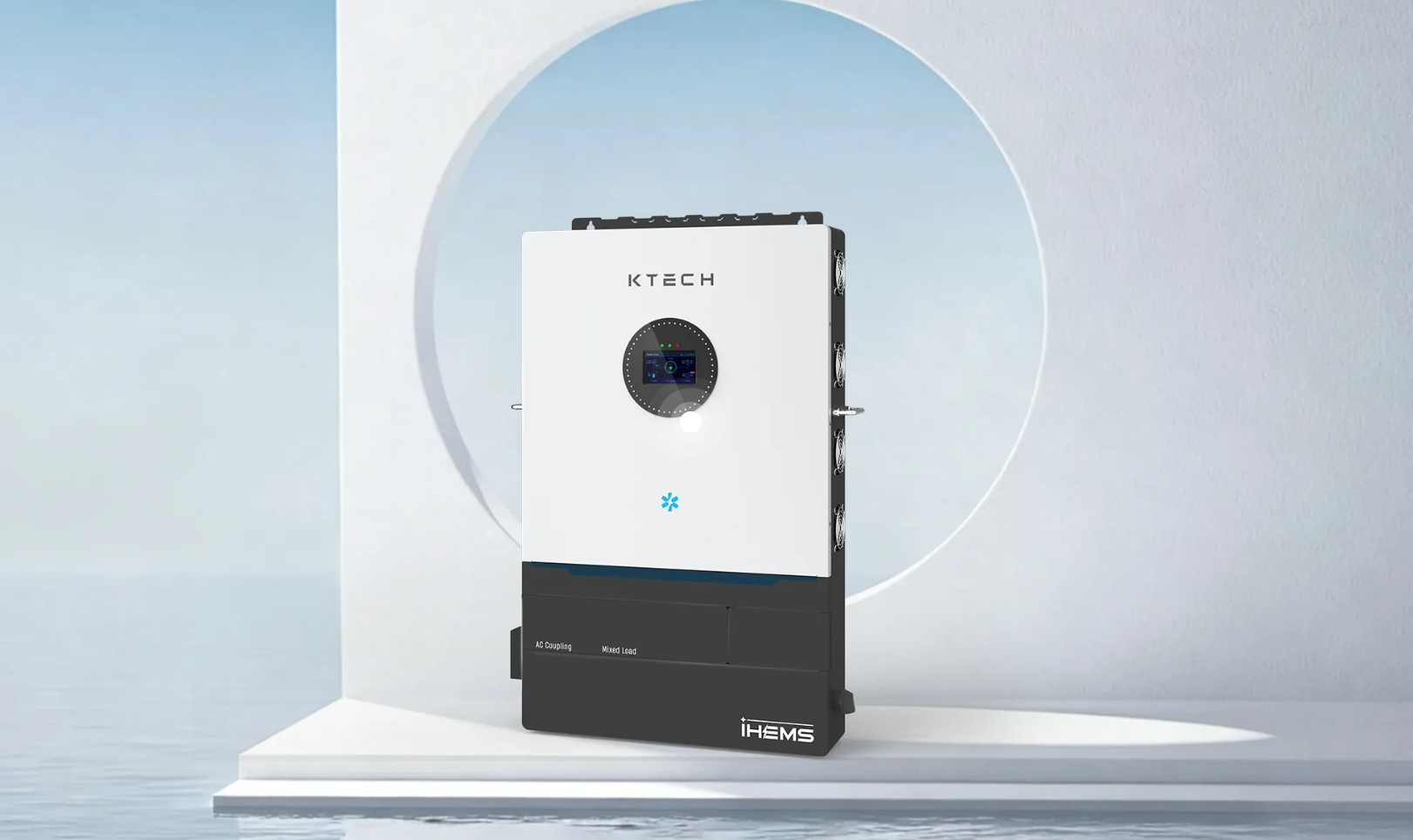
Think of an off-grid system as three working parts: generation, storage, and conversion. Each must match the family’s daily routine. When balanced, the setup does these things reliably:• provides enough watt-hours overnight for lighting and small appliances;• lets high-startup loads (fridges, pumps) run without tripping;• protects batteries from deep discharge and overcharge.When a system uses a properly specified solar inverter with battery, field teams in rural Sabah reported noticeably fewer service visits because hybrid units controlled charging and inverter cuts more intelligently.
Key selection rules — what matters most
Choose parts that match real use, not the cheapest spec sheet. Practical checks:• Inverter type: pure sine wave for electronics and motors; big enough continuous and surge ratings for fridge/compressor starts.• Battery chemistry: lithium gives longer cycles and smaller footprint; lead‑acid needs more headroom and ventilation.• Battery monitoring and battery management system (BMS): must protect cells and report state of charge.• Charge controller: MPPT improves harvest on cloudy mornings and under partial shade.Match these to household load profiles and seasonal sun availability.
Common mistakes and how to avoid them
Avoid these repeat problems:• Undersizing the inverter: causes nuisance trips and equipment stress.• Skimping on battery capacity: short runtime and early replacement.• Poor wire sizing and fusing: voltage drop and safety risk.• Ignoring ventilation and temperature: batteries hate heat.Fixes are straightforward: measure actual loads, add 20–30% headroom for surge, and pick components rated for tropical conditions.
Alternatives and trade-offs
Generator backup, micro-hydro, or grid extension each has pros:• Generator: reliable on demand but fuel and maintenance heavy.• Micro-hydro: fantastic if a stream exists, but site-dependent.• Grid extension: expensive per kilometre in remote terrain.For many small residential projects, the best trade-off is a hybrid solar system sized correctly with battery buffering — lower operating cost and fewer service calls over time.
Installation and maintenance I trust
Good installs follow simple disciplines: measure first, document second, test last. Secure mounting, correct tilt, proper cabling, and a labelled breaker layout cut downtime. Schedule an annual battery health check and clean PV modules twice a year if dust or foliage is heavy. Local technicians trained on these routines keep systems working longer and reduce emergency trips.
Short checklist before you sign off
Before commissioning:• Confirm continuous and surge loads.• Verify inverter and battery warranty terms and lifetime expectations.• Ensure local support for spare parts.• Ask for a basic monitoring readout so users see state of charge and daily generation.These checks avoid surprise costs.
Final thought
Remote homes don’t need perfect tech, they need the right balance: an inverter sized for real loads, a battery strategy that matches daily use, and straightforward maintenance. Field experience shows systems that respect those rules last longer and cause less worry. For many small projects, the balanced solutions from Ktech provide the practical, field-tested reliability families in remote places want.
