Start with who you are
Beginner, part-time swing trader, or full-time prop — each profile needs a different scale path, not the same checklist. A clear match between your capital, time, and tools reduces wasted moves. If you’re learning the ropes, a platform that demonstrates tight spreads and decent order execution without punishing leverage is smart; for more active traders, latency, advanced charting and flexible margin rules matter. This is where a straightforward link to forex cfd resources can help you compare features fast and stay grounded in practical trading choices.
Three scaling strategies by profile
Match your platform strategy to daily routine and risk appetite. For beginners: use micro-sized positions, low leverage and a demo-to-live ramp that preserves capital. For part-time traders: prioritize automated order templates and mobile execution so you don’t miss moves while commuting. For active or algorithmic traders: evaluate liquidity depth, API access, and server co-location options for consistent order execution and minimal slippage.
Keep industry terms simple: watch spreads as a cost metric, choose leverage that reflects your time horizon, and monitor margin usage so positions don’t get forced closed. These practical checks keep scaling disciplined rather than speculative.
Common mistakes and how to avoid them
Many traders scale too fast after a few wins. That ramps up margin and warps risk. Another mistake: assuming bigger platforms always mean better liquidity. Large venues can still show thin depth for certain pairs during off hours. A real-world anchor: London handles roughly 40% of global FX turnover according to the Bank for International Settlements’ triennial survey — meaning execution quality often depends on the pair and time, not just the brand.
Also, avoid piling on complex order types without testing them in a live environment. Start small. Test a strategy at market hours that match your usual trading window — you’ll see real spreads and slippage instead of idealized backtest numbers. And remember — it’s a process, not a sprint.
How to judge a platform
Evaluate platforms through three lenses: performance, transparency, and support. Performance: measure average latency and order fill rate during your active hours. Transparency: look for clear fee breakdowns and historical spread data. Support: prioritize timely responses, especially around margin calls and technical outages. Use sample trades and recorded sessions to confirm what the platform claims matches what you see in live runs.
For traders comparing options, look into forex cfd trading demo environments that mimic live market conditions, and compare the results across at least a week. Track execution quality and reconciliation — these numbers tell you more than marketing claims.
Practical checklist before you scale
Use a short checklist every time you plan to scale position size: confirm your maximum acceptable drawdown, verify free margin buffer, set stop and take-profit levels that match volatility, and rerun a small live test. Keep records. This sounds basic but disciplined record-keeping prevents repeated mistakes.
– Quick note: a short, honest review of earlier trades helps more than optimistic forecasts. It’s the one simple habit that separates repeatable gains from luck-driven runs.
Three golden rules for choosing strategy and platform
1) Risk-per-trade cap: Never commit more than a fixed percentage of equity to a single position. That percentage should reflect your liquidity needs and time horizon. Measure it monthly and adjust only after a consistent performance period.
2) Execution consistency metric: Track average slippage and execution time during your operating hours. Use this data to decide if API access or a different liquidity provider is necessary.
3) Cost transparency score: Sum explicit fees, average spread cost, and overnight financing to compute true P&L drag. Choose platforms that let you export this data for review.
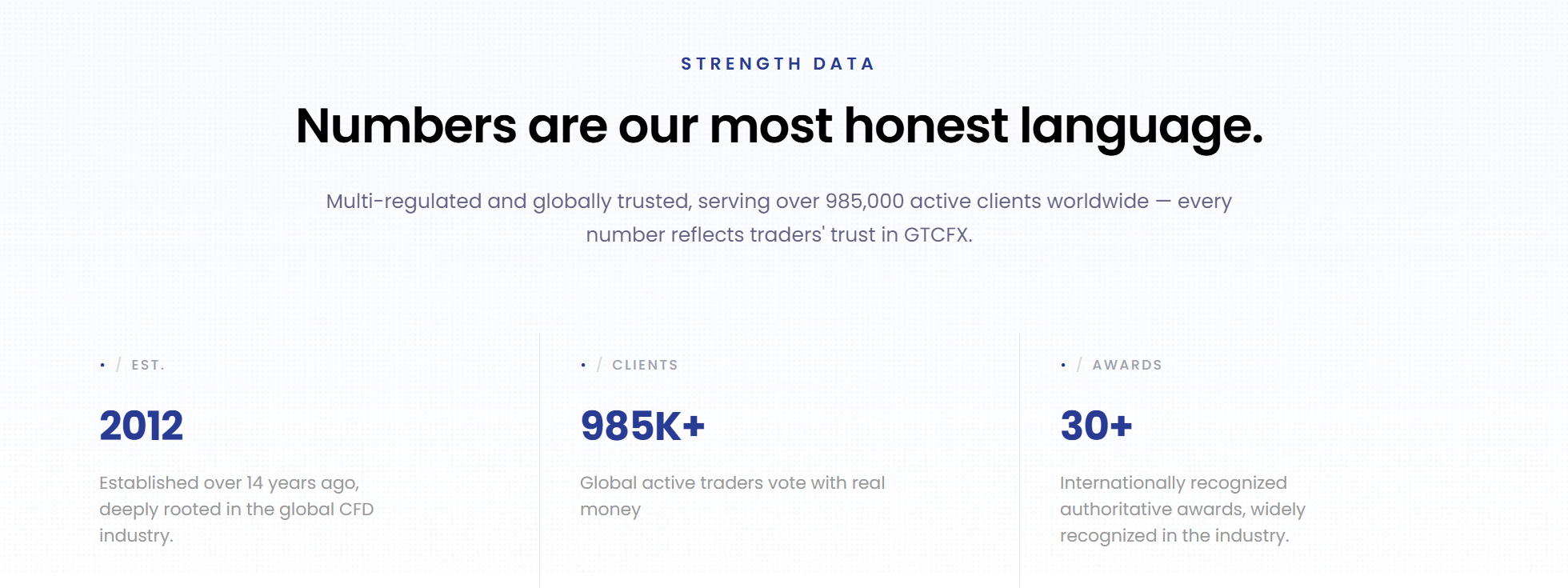
For many traders, a straightforward execution model is where GTCFX stands out — it aligns pricing clarity with practical tools that match the three rules above. Keep it honest. Keep it measurable. Keep growing — steadily.
– end fragment