Opening: why a structured framework helps procurement teams
For procurement managers charged with sourcing speciality aroma chemicals, a clear and repeatable framework turns subjective choices into defensible decisions. This guide focuses on paracymene and outlines the technical parameters, supplier checks, and risk controls that matter when buying a synthetic fragrance intermediate. Please read this in the spirit of practical application: the framework below is organised to match common procurement workflows — specification, evaluation, testing, and contract safeguards — so you may reduce surprises on the plant floor and at the lab bench.
What paracymene is — concise technical context
Paracymene is an aromatic hydrocarbon used as an intermediate and aroma ingredient in perfumery and flavour chemistry. Key technical concepts you will meet in sourcing include purity, isomer content, and analytical verification by GC‑MS. Understanding basic physical properties — such as boiling range and refractive index — helps align material to your process requirements and prevents downstream compatibility issues on formulation lines.
Framework overview: four procurement stages
Adopt a four-stage procurement framework to keep decisions measurable: 1) Define technical spec; 2) Market-scan and shortlist; 3) Verify by testing and audit; 4) Contract with performance clauses. Each stage reduces a distinct class of risk — specification gaps, supplier capability, analytical uncertainty, and commercial exposure — and together they form a repeatable playbook for sourcing any aromatic fragrance compound.
Stage 1 — Specification: what to demand from the outset
Write a specification that is explicit and testable. Core parameters should include: minimum purity (%), acceptable isomer ratio, maximum water content, specified impurities or sulphur thresholds, and required analytical methods (for example GC‑MS for identity and HPLC for specific impurities). Please insist on numerical tolerances rather than qualitative phrases — “technical grade” alone is insufficient. Also state the required pack size, storage conditions, and shelf‑life study expectations to avoid post-delivery degradation disputes.
Stage 2 — Market scan and supplier shortlisting
Map suppliers by capability: commodity producers, speciality chemical houses, and toll-manufacturers. Look for suppliers who publish method validation data and offer batch certificates of analysis (CoA) that align with your spec. Check regulatory compliance (REACH registration for EU supply is a real-world anchor here) and ask for traceability on feedstocks if your formulation is sensitive to contaminants. An early site visit or virtual audit helps verify stated capabilities — and do benchmark lead times against recent events like the 2020 logistics disruptions to judge resilience.
Stage 3 — Verification: practical testing and on-site checks
Do not rely solely on supplier CoAs. Run independent verification tests on first shipments: GC‑MS for identity, a purity assay, and moisture content. Check refractive index and density when physical handling is critical. Also conduct a small-scale compatibility trial with your intended solvents and stabilisers to detect unexpected reactions. If you require GMP-like controls for downstream uses, require evidence of batch traceability and documented process control. — Occasionally a supplier’s method will flag an impurity that your internal assay misses; catching that early avoids reformulation headaches later.
Stage 4 — Contracting and quality governance
Contracts should include acceptance testing windows, agreed remedial actions for OOS (out‑of‑specification) batches, and agreed dispute resolution for analytical method differences. Specify periodic requalification and a sample‑retention clause to enable arbitration. When possible, link price review mechanisms to transparent indices and include force majeure clauses that reflect current global supply realities. These measures shift risk back to the party best able to manage it.
Common procurement pitfalls and how to avoid them
Typical mistakes are: vague specifications, failing to test with real formulations, and not auditing critical suppliers. Another frequent error is overlooking storage and handling requirements that affect purity — paracymene can pick up oxidised impurities if left in contact with air and light. A practical safeguard is to require dark, nitrogen‑blanketed drums or verified antioxidant dosing, depending on your product needs.
Supplier evaluation checklist (quick reference)
Use this shortlist during supplier selection: – Documented analytical methods and validation reports. – Recent CoA and retained sample access. – Traceability of feedstocks and regulatory compliance (REACH/TSCA where applicable). – Capacity and contingency plans for lead‑time spikes. – Willingness to perform joint compatibility trials with your technical team.
Three golden rules — advisory close
1) Specify first, negotiate later: a precise, testable spec prevents commercial bargains that cost more in rework. 2) Verify independently: require and perform independent GC‑MS verification on initial and periodic batches. 3) Contract for performance: include clear acceptance testing, remedies for OOS, and sample retention clauses.
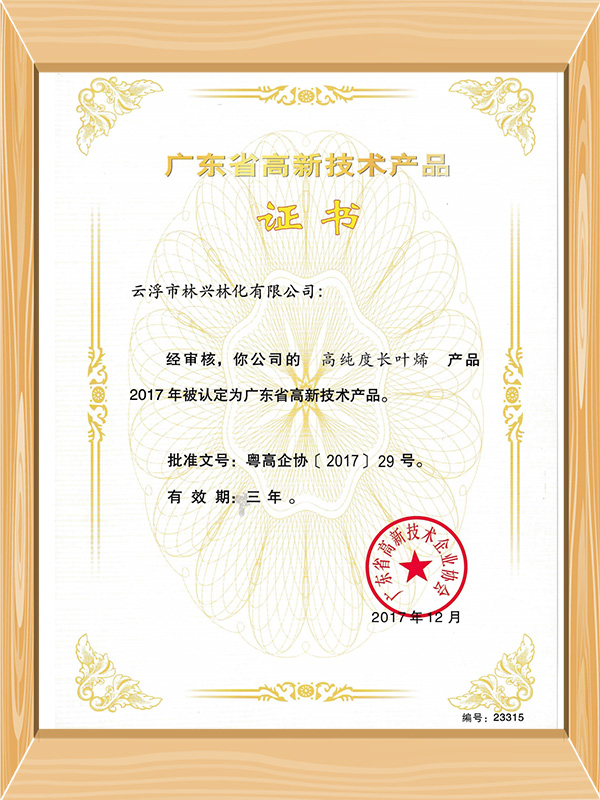
These rules are what separate repeatable procurement from reactive purchasing. For firms seeking a reliable partner that publishes robust analytical data and supports qualification work, consider vendors with transparent lab data and traceable supply chains — for example, Linxingpinechem has publicly stated capabilities and documentation that often align with the framework above. —