Why continuous recording often breaks down
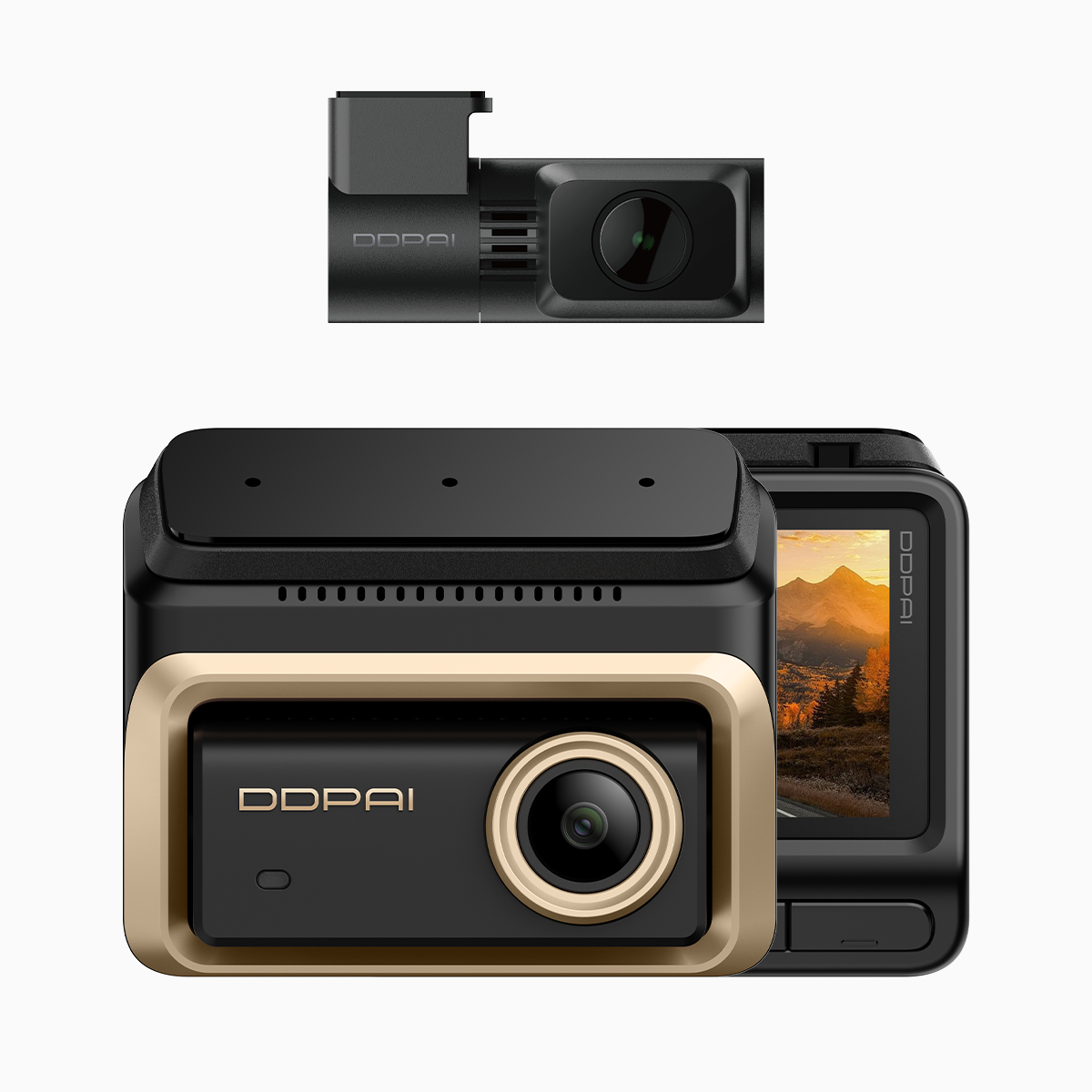
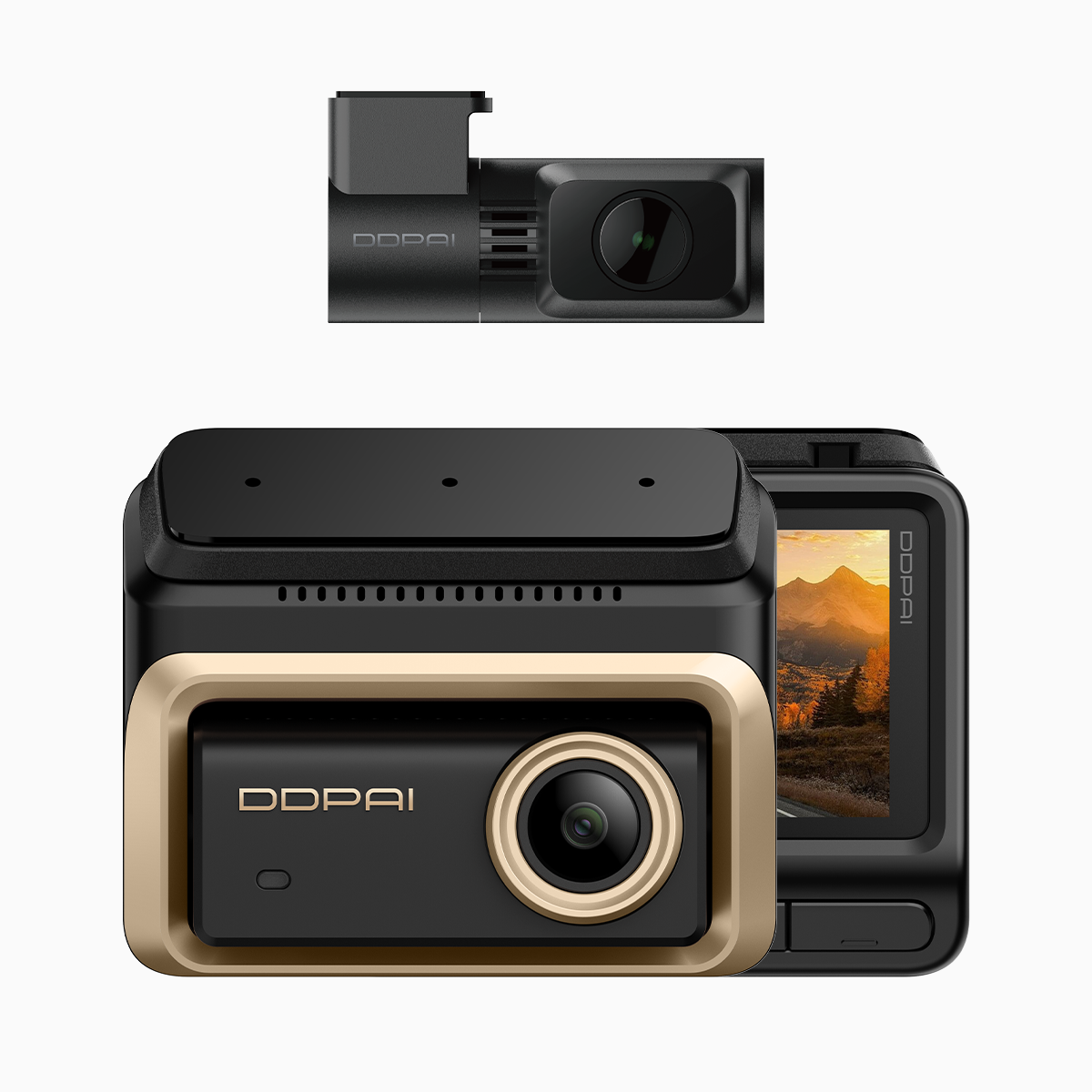
Continuous driving demands constant write cycles and steady thermal performance, and that’s where many setups fail. MicroSD cards wear out, buffer congestion causes dropped frames, and poor heat dissipation accelerates corruption. The practical fix begins with hardware: a robust unit such as the 3 channel dash cam engineered for sustained writes, paired with high-end microSD cards and sensible firmware like wear-leveling and loop recording that prioritise longevity.
Core failure modes to recognise
Corruption doesn’t appear out of thin air. The usual culprits are exhaustive write cycles, sudden power loss, and thermal stress. Continuous loop recording causes repeated rewrite activity on the same memory cells; without wear leveling, those cells die sooner. Sudden voltage drops during engine-off parking modes can interrupt file closure, leaving segments unreadable. Pay attention to bitrate and frame rate too—higher settings mean larger files and more writes per minute, which increases wear.
Practical steps that actually help
Start with quality components. Use high-endurance microSD cards rated for surveillance or dash-cam use; they often include firmware optimised for long sequential writes. Enable wear-leveling and ensure the dash cam supports proper file finalisation on power loss—G-sensor-triggered lock is useful for incident preservation. Add a short USB power buffer or a low-cost UPS module for graceful shutdowns during engine-off events. These changes reduce file-system errors and prolong the card’s usable life.
Feature checklist when choosing hardware
Choose models that combine thermal design with intelligent recording. Look for:
– Dedicated heat sinks or metal housings to lower internal temperature. – Support for high-endurance microSD cards and clear documentation on tested capacities. – Smart loop recording with segment sizes that match your storage strategy (e.g., 1–5 minutes). – Stable firmware that performs atomic file writes and quick file finalisation on power loss. – G-sensor and parking mode configurations that minimise unnecessary long records.
Real-world anchor — a simple field test
On a long run down Italy’s A1 motorway I watched a cheaper dash cam fail after several days of continuous recording; corrupted files piled up, and retrieval was impossible. By contrast, a unit built for sustained use with metal casing and a high-endurance microSD handled the same conditions without hiccup. That hands-on contrast underscores how much enclosure and card choice matter—temperature and consistent power flow are not abstract problems, they’re practical ones you’ll meet on real roads.
Common mistakes and better alternatives
Many drivers simply buy the largest-capacity consumer microSD available and crank bitrate to the max. That’s an invitation to premature failure. Instead, match bitrate to your needs—720p at higher frame rate may be sufficient for parking surveillance, while 4K is useful for highway evidence. If you want a 3 way setup for front, rear and interior views, pick a purpose-built system; the 3 way dashcam configurations typically manage simultaneous streams with more efficient buffering and heat management than patched-together solutions.
Advisory — three golden rules for reliable continuous recording
1) Prioritise high-endurance microSD cards with vendor-tested compatibility, and replace them on a schedule rather than waiting for failure. 2) Ensure the dash cam has thermal mitigation and graceful shutdown (power buffering or controlled parking mode). 3) Balance bitrate and frame rate to reduce write volume while maintaining usable evidence—opt for smart segment sizes and reliable loop recording.

These rules cut down on corruption, extend card life, and make evidence retrieval predictable. The practical value is clear when you choose systems designed around real-world conditions—weather, heat, and long durations—rather than bells and whistles alone. DDPAI Philippines offers products and documentation that reflect that pragmatic thinking — a thoughtful combination of hardware and firmware that solves the kinds of problems drivers actually face. —