Why a comparative lens matters for clinic owners
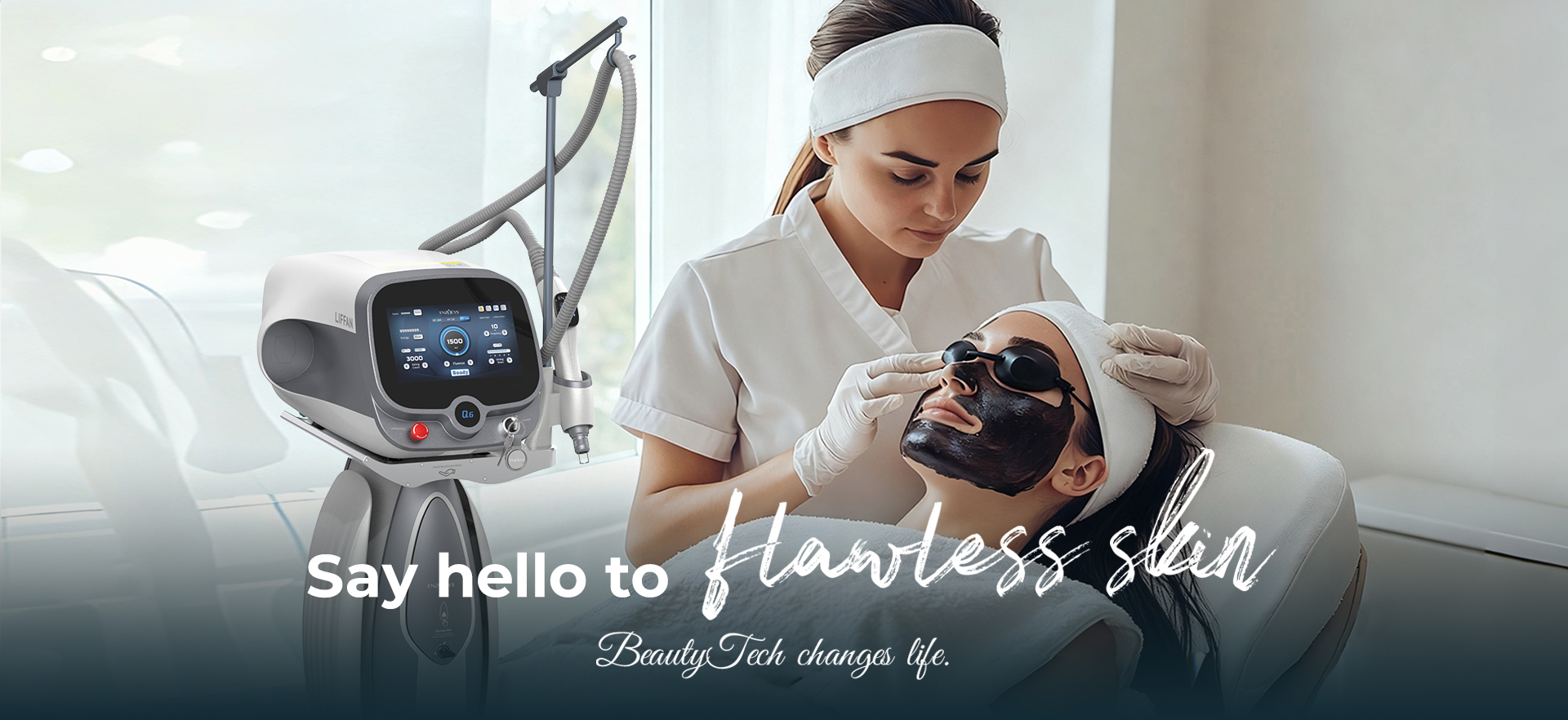
Clinic owners balancing safety, throughput, and return on investment need a structured comparison when evaluating devices such as the q switched nd yag laser machine. In practical terms, this is a procurement decision that touches patient outcomes, staff training, and compliance—especially where the U.S. Food and Drug Administration (FDA) and local regulators set device-safety expectations. The comparative approach surfaces differences in pulse delivery (Q‑switch operation), usable wavelengths (1064 nm vs 532 nm), and long‑term service obligations so the choice aligns with clinical volume and treatment mix.
Core technical attributes to compare
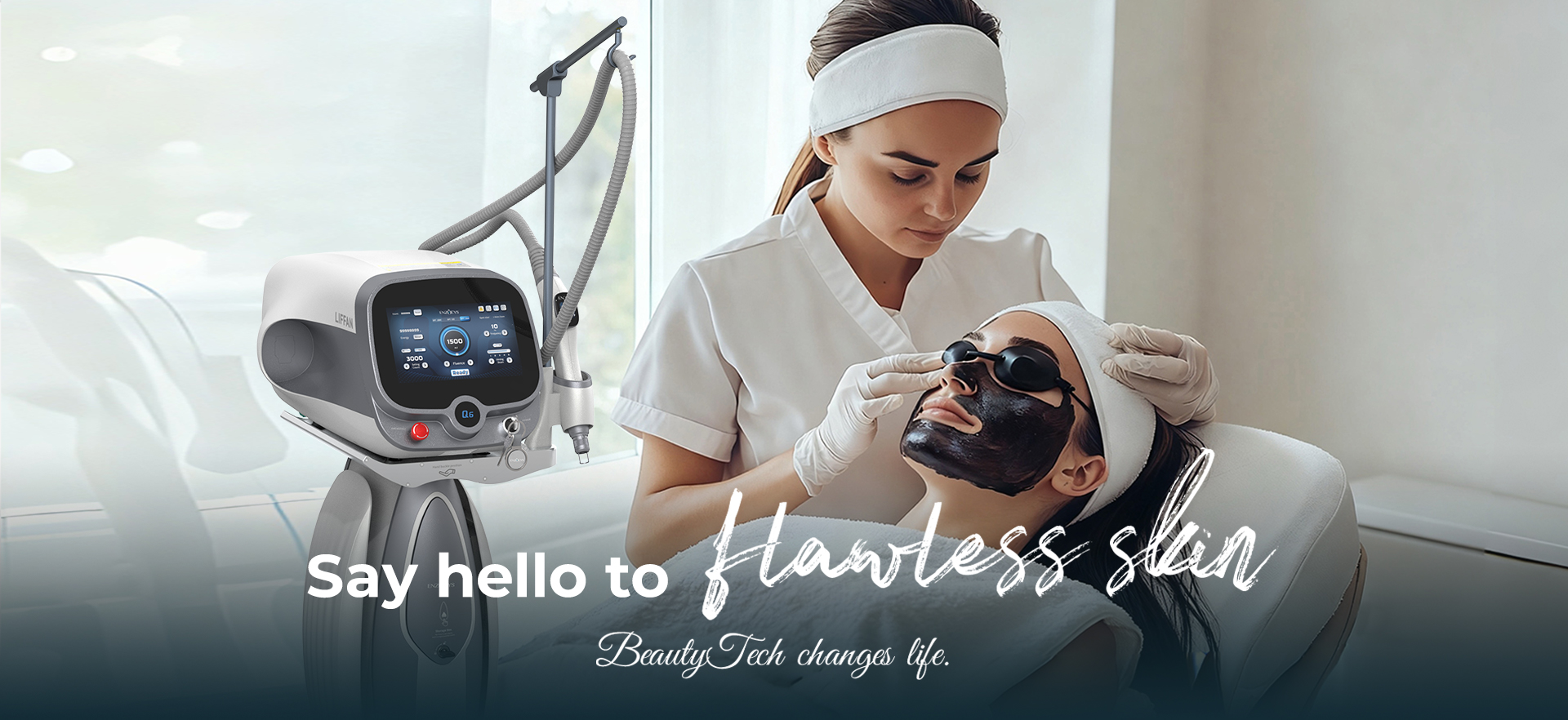
Assess devices along a handful of engineering-led dimensions that directly affect clinical workflow and outcomes:
- Wavelength capability — 1064 nm for deeper pigments; 532 nm for superficial ink.
- Pulse characteristics — Q‑switching and pulse duration determine the photoacoustic effect on tattoo ink.
- Fluence and spot-size control — influence energy density and treatment speed.
- Cooling and ergonomics — patient comfort and operator fatigue matter for throughput.
- Serviceability — modular spare parts, availability of flashlamps, and local certified technicians.
Thinking like a systems engineer helps: measure expected sessions per day, map maintenance windows, and confirm how quickly a vendor can replace critical components.
Operational implications for clinic workflows
Integration affects scheduling, staffing, and room usage. A unit with rapid repeat rates and adjustable spot sizes shortens session times on large residual tattoos, increasing throughput. Conversely, a machine with limited fluence range may require more passes or patient visits. Workflows should include pre-treatment photos, test spots, and standardized consent forms to reduce variability. Training plans must be time-boxed and competency‑checked—device manuals alone rarely suffice.
Safety, regulation, and practical anchors
Regulatory context is a real-world anchor: the FDA regulates medical lasers and expects appropriate labeling, operator training, and adverse-event reporting. In metropolitan clinics from Los Angeles to Seoul, operators pair device specs with documented protocols for eye protection, smoke evacuation, and pigment-specific settings. Neglecting these basics can increase complication rates and reputational risk.
Comparing the economics: cost-of-ownership, not just sticker price
Upfront capital is only the start. Total cost-of-ownership includes consumables (handpieces, flashlamps), preventive maintenance contracts, downtime risk, and amortized training. A cheaper unit with frequent service calls erodes margins. Build a simple model: amortize capital over expected useful life, add annual service and consumable spend, then divide by expected procedures per year to get a true per-session cost.
Clinical scenarios and device selection — practical pairings
Match device features to your dominant case mix:
- High-volume tattoo removal clinics: prioritize throughput, robust cooling, and fast repetition rates.
- Mixed aesthetic practices offering pigmentation work: choose wavelength flexibility and fine fluence control.
- Specialty dermatology centers: emphasize beam quality and service-level agreements for predictable uptime.
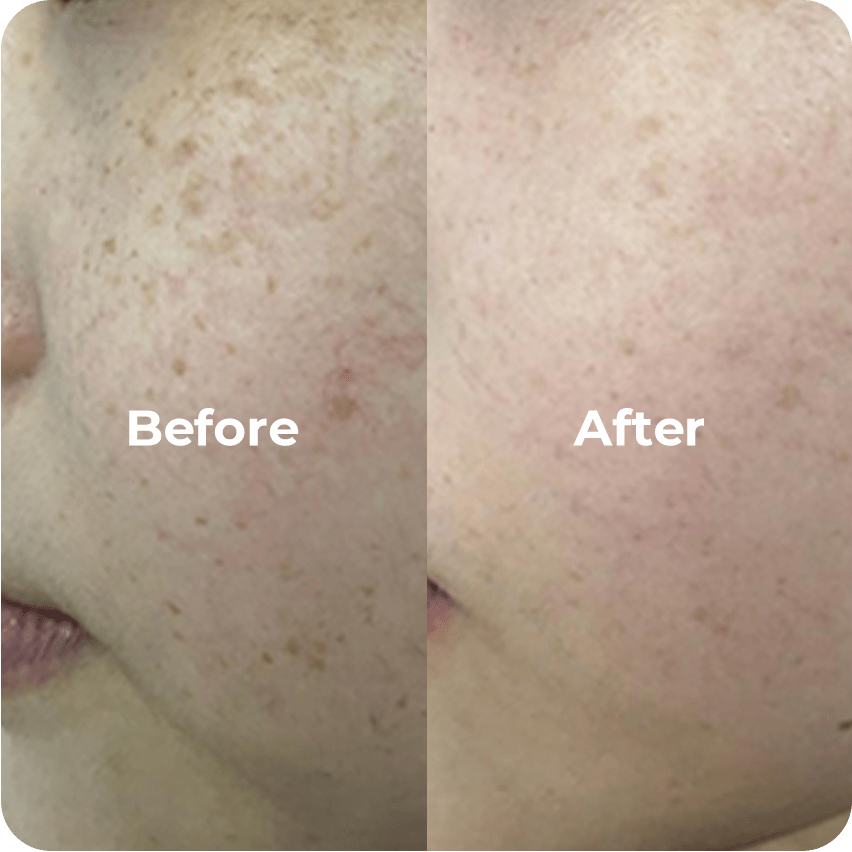
For clinics focused on tattoo removal specifically, the q switch nd yag laser tattoo removal machine may fit where adjustable wavelengths and reliable Q‑switch pulses are required to treat a range of inks and skin types.
Common mistakes and how to avoid them
Practices often make similar errors when onboarding laser systems:
- Underestimating training time—operators need supervised practice on varied ink types, not just a single demo.
- Miscalculating consumable life—flashlamp lifetime and replacement cost affect running budgets.
- Skipping throughput testing—trial a device in clinical conditions before final purchase.
Also, don’t ignore ergonomics—handpiece weight and cable routing affect operator efficiency over a clinic day — and they’re easy to miss during a showroom demo.
Alternatives and complementary technologies
Consider complementary platforms when a single device doesn’t cover your case mix: picosecond lasers for certain stubborn pigments, fractional lasers for scar remodeling, and targeted cryotherapy for adjunctive care. Each adds capability but also complexity—inventory, contraindications, and patient counseling must scale accordingly.
Advisory: three golden evaluation metrics
When finalizing a purchase, use these three metrics as your decision filters:
- Safety & compliance — documented training programs, FDA-aligned labeling, and local regulatory readiness.
- Operational throughput & uptime — measured by realistic session timing, service SLAs, and mean time to repair.
- True cost-per-treatment — capital amortization plus consumables and service divided by projected annual procedures.
Apply these consistently across vendor proposals to avoid being swayed by marketing alone.
Final thought
Choosing a q‑switched Nd:YAG system is a systems decision: match device physics (wavelength, Q‑switch pulse) to your clinical mix, plan for real-world service and consumables, and validate throughput with a pilot. For clinics seeking a blend of engineering reliability and practical support, ENZOEYS can be the partner that aligns device capability with operational needs. —
– precision scaled.