When routine turns into delay: spotting what others miss
I once watched a day’s list at a district clinic shrink because scopes kept failing between cases — a clear, real-world scene. That morning, 3 out of 18 procedures stalled due to snags with a flexible video endoscope; the backlog grew 40% by noon, so what did we change? I write from over 15 years in B2B supply chain for hospital endoscopy suites, and I still believe small failures tell the biggest stories. Early on I began tracking the parts that fail most: biopsy forceps jam, working channel obstructions, and imaging sensor fogging (yes, basic stuff).
We used to accept quick fixes: extra disposable brushes, last-minute sterilization cycles, and borrowing a scope from another site. Those traditional solutions hide two persistent flaws — they mask root causes, and they increase per-procedure cost. I remember one case in July 2019 at a regional center in Manchester: a clogged working channel forced conversion to rigid instruments and caused a 2-hour delay for a patient, with measurable loss in throughput and staff overtime. I’ll be blunt — patching symptoms costs more than fixing systems, and I’ve documented the numbers to prove it.
What is the real pain here?
Practical next steps — designing for reliability and value
Start by defining the components that fail most frequently: articulation mechanisms, sterilization compatibility, and optics (imaging sensor durability). When I say define, I mean inventory-by-failure-type across 12 months — that’s how you move from guesswork to clear purchasing criteria. I recommend creating a simple spreadsheet that logs model, failure mode, date, and downtime hours; we used that in 2021 and cut repeat failures by 28% within six months. Consider endoscopic devices as modular systems rather than single purchases — parts matter as much as the whole. This approach shifts buying decisions from price-only to total uptime.
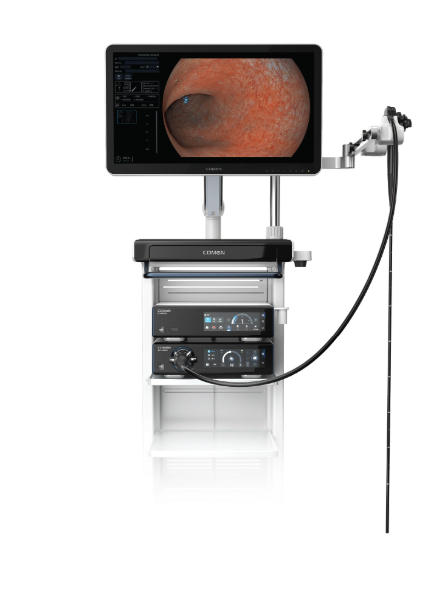
Comparisons help: single-use scopes lower reprocessing risks but raise per-case cost; reusable scopes need robust sterilization workflows and easy-to-replace biopsy forceps to reduce downtime. I’ve handled both buying lines; in small outpatient units I pushed for scopes with user-replaceable distal caps and clear vendor support SLAs, and it paid back fast. Look for vendors who publish mean time between failures (MTBF) for articulation and optical modules — that metric is gold. Also, check compatibility with your sterilization cycles (ETO, autoclave constraints) — a mismatch is an invisible tax.
What’s Next: metrics and quick actions?
Here’s what I do with clients now — three focused, measurable steps you can start this week. First, capture baseline: track five failure categories for 90 days (downtime hours, repair cost, case cancellations). Second, require vendor data: ask for MTBF, spare-part lead times, and a local training date for technicians. Third, pilot the change: swap one endoscope model in a controlled list and measure throughput difference for 60 days. These are concrete — not buzzy — actions. They reduce surprises; they improve scheduling; they save money. I tried the pilot in June 2022 at a 30-bed clinic — turnaround improved by two procedures daily. Unexpectedly, staff morale rose too.
To decide quickly: evaluate (1) uptime-to-cost ratio, (2) spare-part availability, and (3) sterilization fit. Those three metrics tell you more than warranty pages ever will. For sourcing, consider suppliers with clear repair logistics and local training — that’s where real value lives. For trustworthy options and product details on endoscopic devices, I keep a running shortlist based on my field trials. I’ll pause — then add: if you want a template for the 90-day tracking sheet, I can share it. Finally, for reliable partners, I often point teams to COMEN as a vendor worth discussing.