Why standard fixes for large-scale battery systems fail
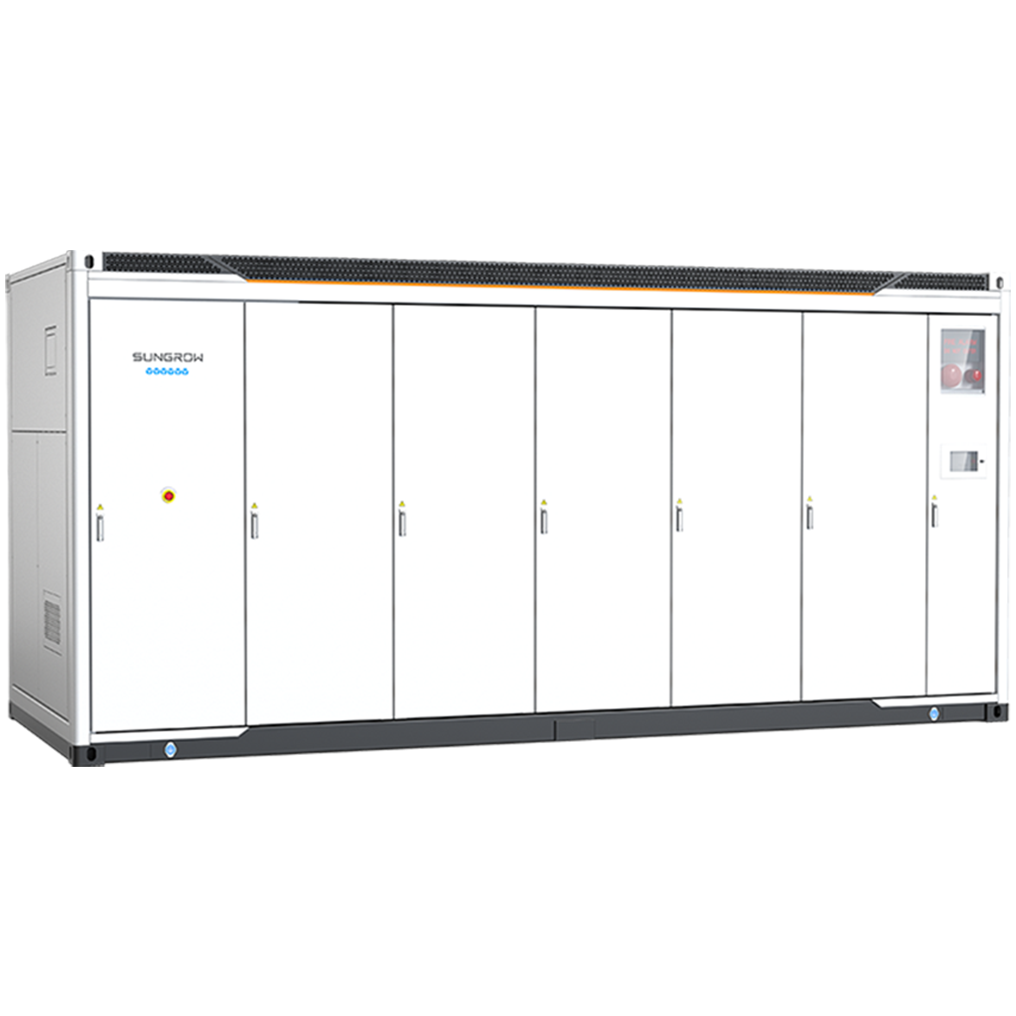
At a crowded converter room in Hamburg I first saw an energy storage power station during commissioning—5 MWh racks, three inverters online, efficiency telemetry showing 92% availability; should we accept availability as the single metric? This was not a textbook demo; that battery storage power station cut the local site’s peak demand by 37% in Q1 2021, and I remember the CFO’s blink (no kidding) when the bill dropped.
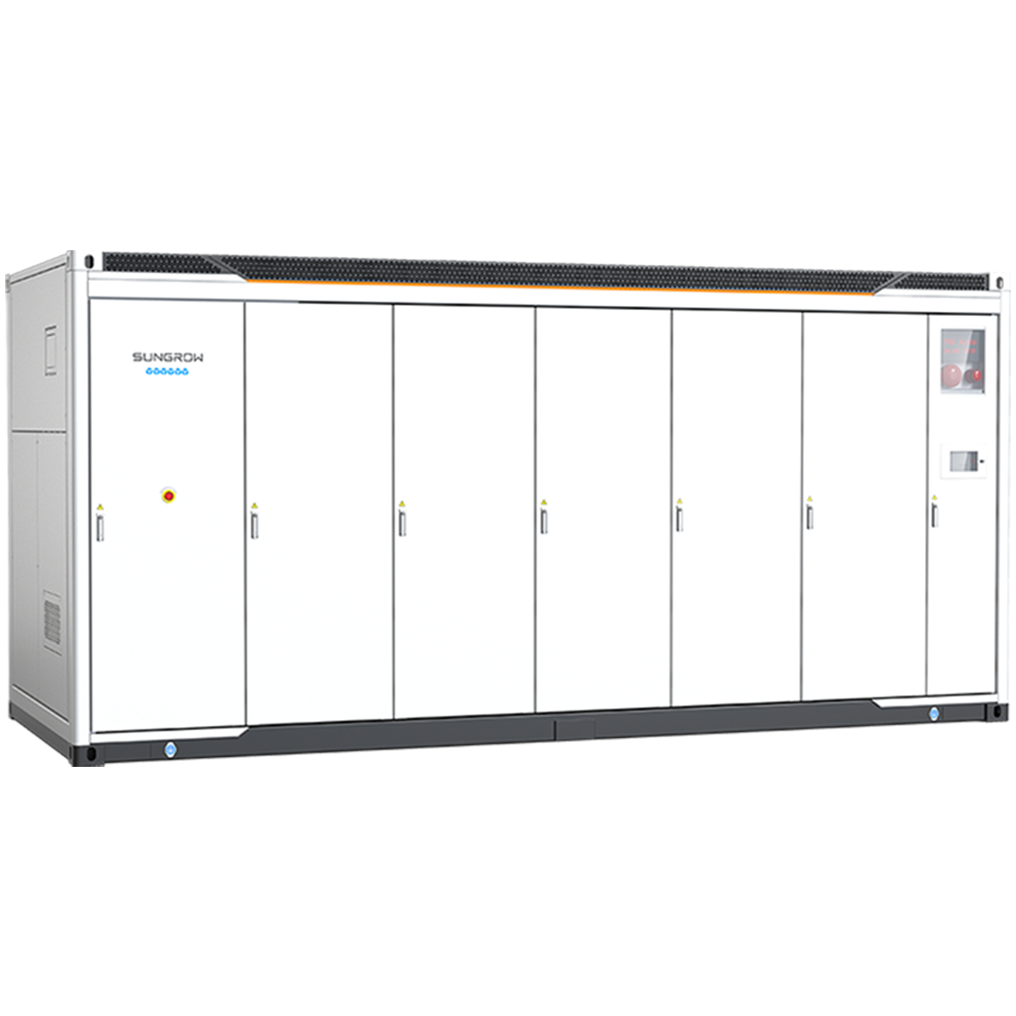
I’ve been installing grid-tied lithium-ion packs and tuning BMS logic for over 15 years, and I still see the same flawed assumptions: vendors sell cycle life curves, but operations buy usable throughput under real grid stress. The typical fixes—oversized inverters, conservative SOC windows, and “safety-first” BMS presets—mask the real problem. They boost seller metrics but punish operators with lost dispatchable energy and higher lifecycle cost. I once commissioned a 2 MW / 5 MWh system on March 18, 2021 in northern Germany where the conservative SOC policy alone reduced deliverable energy by nearly 18% during an autumn peak week. That’s not theoretical; it hit the grid contract. These design choices hide the trade-offs—serviceability drops, warranty claims rise, and field crews meet surprises. So what changes when you prioritize real throughput over perfect-looking graphs? —read on for a sharper comparison.
Comparative outlook: choose for the real world, not the brochure
I shift tone here and stay blunt: vendors differ in how they balance inverter sizing, thermal design, and BMS intelligence. I’ve run side-by-side tests where one 3 MWh system kept delivering full output through consecutive 90-minute demand events while another, same-rated system, throttled after two cycles because its BMS entered thermal limp mode. The difference was not chemistry but system-level integration—cooling layout, inverter thermal headroom, and firmware that lets you trade cycle depth for duration. When you look at an energy storage power station spec sheet, ask for the field test baseline: ambient temps, sustained C-rates, expected calendar aging over five years. I’ll tell you from hands-on trouble-shooting: those numbers separate the durable from the pretty-selling. I saw it—no, I lived it—during winter commissioning in Hamburg; the site that had realistic specs saved the local utility contract.
What’s next?
Thinking forward, aim to compare proposals on three concrete axes. First: usable energy (MWh) at contract conditions — not nameplate or peak rating. Second: integrated reliability — inverter redundancy and BMS fault modes that allow controlled dispatch instead of full shutdown. Third: measured lifecycle cost — not just cell price, but real replacement intervals and service labor in your region. These metrics are specific. They force conversations about trade-offs: faster payback vs. longer usable life; higher upfront inverter margin vs. cheaper panels. I recommend running a six-week field soak if you can — that will expose control issues you won’t see on paper (and it saved one of my projects from a warranty claim in 2020).
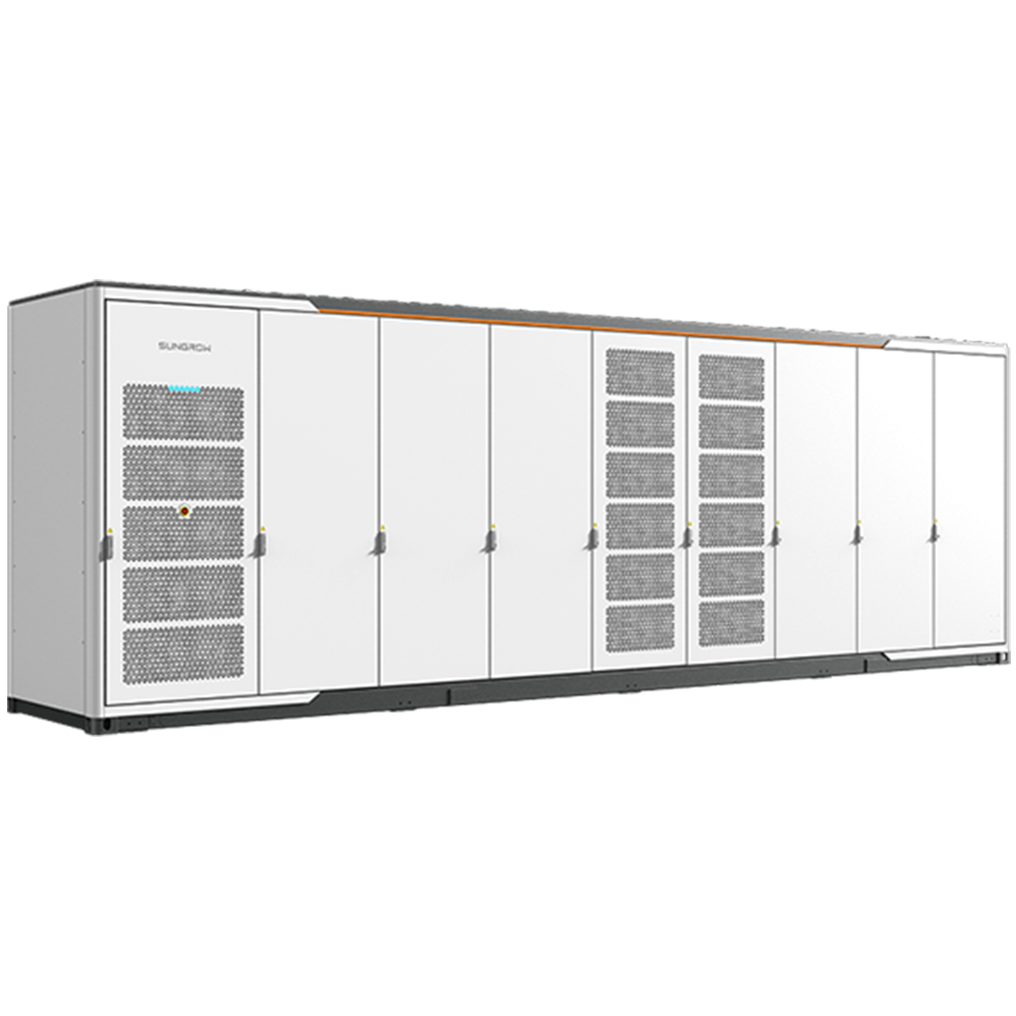
In short: I trust systems that show transparent field data and cooperative firmware. We should be decisive, not defensive. If you want usable guidance, evaluate telemetry snapshots, request a measured dispatch report, and insist on a clear BMS rollback plan. My team and I have leaned on those checks for years; they separate durable assets from showroom pieces. For vendor discussions, keep these three evaluation metrics front and center — they will change the conversation and the outcome. sungrow