The problem: brands need protection, sustainability, and predictable cost
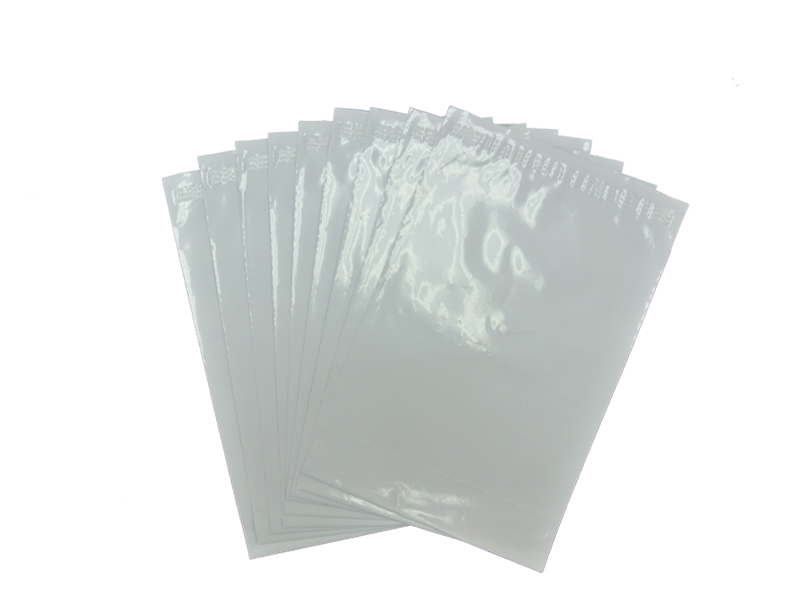
E-commerce brands today face a clear problem: how to package products so they arrive undamaged, look premium, and also meet growing sustainability expectations — without blowing the margin. If you’ve wrestled with brittle single-layer mailers, unclear recycled content claims, or returns caused by seal failures, you’re not alone. Start here: test real-world options like white poly bags for shipping early in your pilot runs and you’ll avoid rework later. I’ll show you how WH Packing’s multi-layer polyethylene approach addresses the core trade-offs in a practical, step-by-step way.
How the multi-layer approach actually works — in plain terms
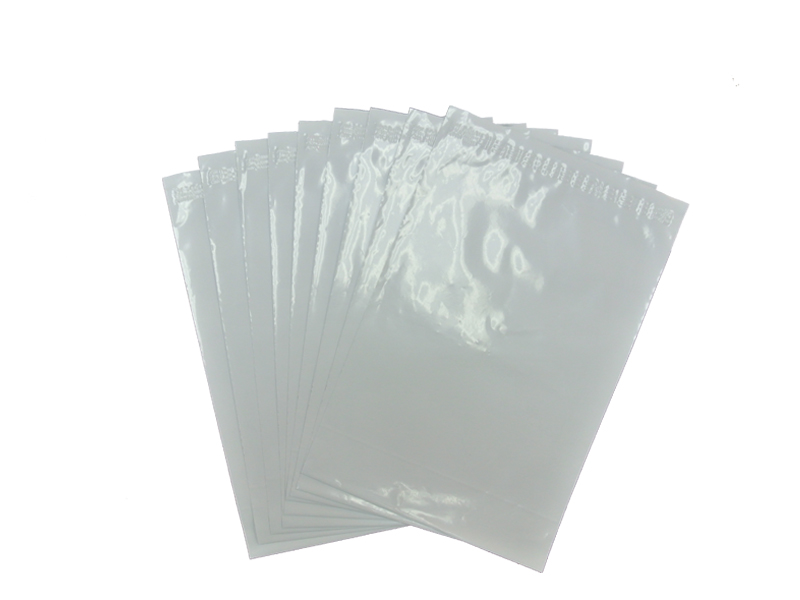
Multi-layer polyethylene uses extrusion to create stacked films with different properties: one layer for strength, another for printability, and a barrier layer to resist moisture. That layered structure — often achieved with lamination or co-extrusion — lets suppliers tune gauge, seal strength, and tensile strength independently. The result: a mailer that resists punctures on the truck and still accepts high-quality printing for branding. Think of it as engineering the mailer for multiple functions rather than asking one film to do everything.
Performance you can measure
When evaluating mailers, focus on measurable attributes: gauge (thickness), seal strength (lb/in), and puncture resistance (force to failure). WH Packing’s multi-layer films tend to show improved seal consistency and higher puncture thresholds compared with thin mono-layer films — useful when merchandise has sharp edges or irregular shapes. Also watch print adhesion and scratch resistance if you expect heavy warehousing. Real-world anchor: the 2020–2021 e-commerce surge increased parcel volume and handling stress, exposing weak packaging designs and making these metrics more relevant than ever.
How recyclability and recycled content fit in
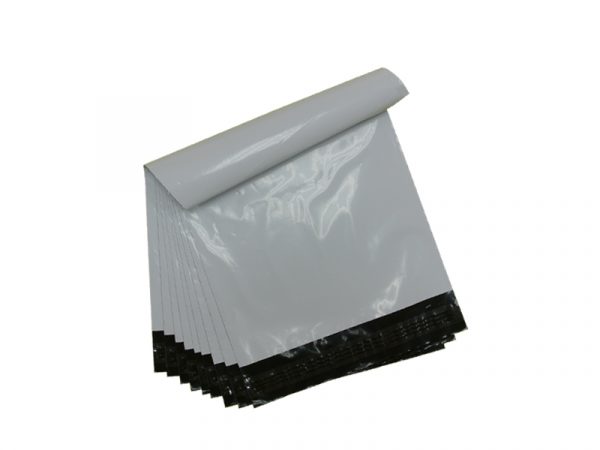
Here’s the tricky part: “recycled” looks great on a label but only helps the circular economy if the material matches local recycling streams. Multi-layer constructions can be engineered as mono-polyethylene (easier to recycle) or as multi-material (better barrier but harder to recycle). If your priority is closed-loop recovery, request mono-LDPE stacks and confirm acceptance with local recyclers — and look at products such as recycle white shipping bags that explicitly specify recyclable formats. That alignment avoids greenwashing and increases real recovery rates.
Alternatives and when to choose them
Options you’ll encounter: single-layer LDPE (low cost, okay for light items); paper mailers (biodegradable appearance, poor moisture resistance); compostable films (need industrial composting); and multi-material laminated films (excellent barrier, lower recyclability). Choose based on product fragility, return rate, and retail image. For high-value apparel or fragile goods, multi-layer polyethylene often hits the sweet spot — protection plus printability — whereas low-cost consumables may still justify single-layer mailers.
Common mistakes brands make — and how to avoid them
1) Specifying thickness without specifying seal strength — thick film doesn’t guarantee a good heat seal. 2) Assuming “recycled” equals “recyclable” — check local processing streams. 3) Skipping field trials — lab numbers are useful, but real conveyor and courier handling reveal weak points. A practical fix: require first-article samples, run them through your filling and shipping workflows, and document acceptance criteria in the purchase contract — that cuts costly surprises.
Quick checklist for pilot testing
– Run orientation: test for MD/TD tear and puncture resistance. – Verify seal performance at your sealing temperature and speed. – Confirm print quality with your intended artwork and ink set. – Ask for certificates: material composition and any ISO or quality-system references. These steps keep trials focused and comparable.
Three golden rules for selecting the right recycled poly mailer
1) Recyclability alignment: choose mono-polyethylene constructions that local recycling streams accept and verify with a recycler or waste-management partner. 2) Measured performance: demand lab values for gauge, seal strength, and puncture resistance — then validate them in your packaging line. 3) Supply resilience: evaluate lead times, MOQ flexibility, and documented QA processes so you can scale without surprises. Those three metrics cut through marketing claims and keep decisions practical.
Final assessment and practical expectation
If your priority is a balance of protection, printability, and quantifiable recycled content, expect multi-layer polyethylene from a capable supplier to deliver measurable improvements in seal reliability and damage reduction. WH Packing’s approach can be a natural fit when you need configurable layers and consistent production controls — and when you pair that with pilot testing and recycling alignment, you get both performance and credibility in the marketplace. In short, choose thoughtfully and test early; packaging choices ripple through returns, brand experience, and sustainability programs — and the right partner helps you manage that complexity. WH Packing.
– Practical, tested, and ready for scale.