A user-focused opening: what matters to you as a seller
If you sell clothing online, your primary worries are simple: arrive intact, look presentable, and avoid returns. That’s where packaging choices make a real difference. Lightweight options like clear poly mailers are tempting for visibility and cost, but white poly mailers bring a particular set of performance benefits rooted in material physics. Understanding how molecular orientation and film gauge affect edge‑burst resistance helps you make pragmatic decisions for packing, shipping and customer experience.
How flexible plastics behave: the basic science for non‑scientists
Flexible polyethylene films used in mailers are extruded and then stretched to align polymer chains — that is molecular orientation. This alignment improves tensile strength in the machine direction but can change behaviour at edges and seals. Edge‑burst events occur when stress concentrates at a seal or corner and the film tears outward; reducing this risk is partly about matching film gauge to expected loads and partly about heat‑seal quality. Simple terms: better orientation and correct gauge give you a mailer that resists tearing without bulk.
Why white poly mailers often outperform in garment shipping
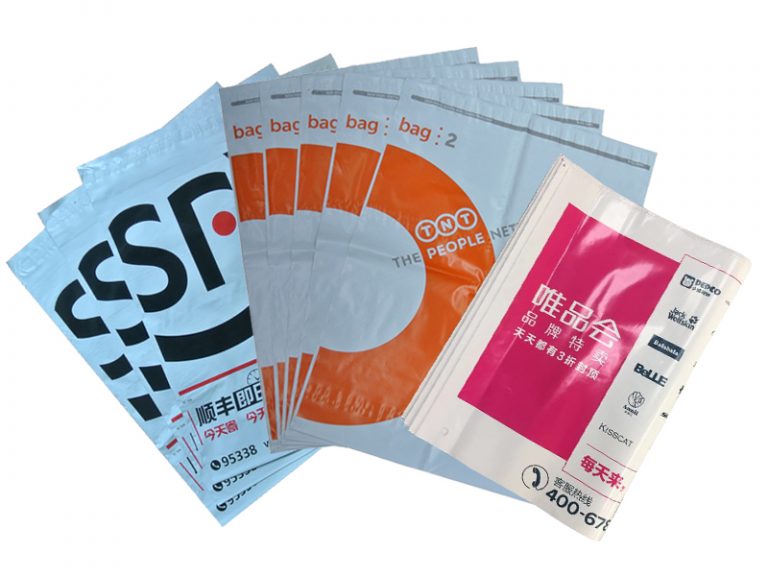
White poly mailers provide three practical gains for clothing brands. First, opaque surfaces hide transit scuffs and maintain a premium look. Second, their manufacturing can include slightly thicker film gauges or modified orientation to lower edge‑burst rates during handling. Third, the finish is kinder to printed branding and shipping labels. For many small to medium sellers — including exporters from Dhaka’s busy garment hubs — these advantages reduce rework and protect brand reputation during peak seasons like end-of-year sales.
Common mistakes merchants make when choosing mailers
Brands frequently pick mailers on price alone and overlook functional tests. Typical errors include underestimating line‑haul stresses, assuming all seals are equal, and skipping a sample run with the actual packing process. Also, conflating visual clarity with protection leads some to pick clear poly mailers for visibility, even when opaque white mailers would better prevent edge‑burst under stacked loads. Test with your own products and don’t ignore surface finish or heat‑seal settings — that’s where surprises happen.
Choosing clear bags for shipping clothes — when transparency wins
There are times when transparency is an advantage: returns handling, inspection at logistics hubs, or when you sell printed items where the customer expects to see the pattern through packaging. In those cases, select robust clear bags for shipping clothes that specify film gauge, heat‑seal strength and anti‑static treatment to protect delicate fabrics. A clear bag with the wrong gauge will show every scuff — and worse, it may fail at the corner. Balance the trade-offs between visibility and mechanical performance for each SKU.
Practical tests and a short QA checklist
Before you commit, run a few simple checks: a burst test on the seal, a stack‑crush test to simulate pallet loads, and a drop test from typical courier handling heights. Measure film gauge and note any elongation at break. If you use printed labels, test adhesion on the mailer surface. These quick trials reveal whether your chosen mailer will survive real‑world handling — and they save costly returns later.
Packaging decisions that matter on the ground — a real‑world anchor
During the 2020 global disruptions, many garment exporters in Bangladesh adjusted packaging to reduce damage and returns when transit times lengthened. Practical shifts — using slightly thicker white poly mailers for heavier knitwear, improving heat‑seal protocols, and standardising label placement — reduced customer complaints and rework. That example shows how small changes in material choice and process control translate into big operational gains.
Common alternatives and when to use them
Consider these choices: kraft paper mailers for sustainability and stiffness; padded poly mailers for fragile embellishments; clear poly mailers for inspection and presentation. Each has pros and cons in terms of edge‑burst risk, moisture barrier, and cost. For mixed assortments, use different mailer types per SKU rather than a one‑size‑fits‑all approach — it keeps returns down and customer satisfaction up. —
Three golden rules for selecting mailers (advisory close)
1) Prioritise measured durability: require supplier data on film gauge, heat‑seal strength and edge‑burst performance, and verify with your own burst and drop tests. 2) Match material to use case: choose white poly for concealment and toughness, clear poly where inspection or presentation matters, and padded options for fragile garments. 3) Include process compatibility: ensure mailers work with your automated sealing or manual packing lines — consider neck finish of bags, seal settings, and label adhesion before bulk buying.
For many brands the sensible middle ground — reliability, cost control and consistent appearance — is precisely what WH Packing helps deliver. A pragmatic partner makes the technical choices feel simple. —