Why a placement framework matters
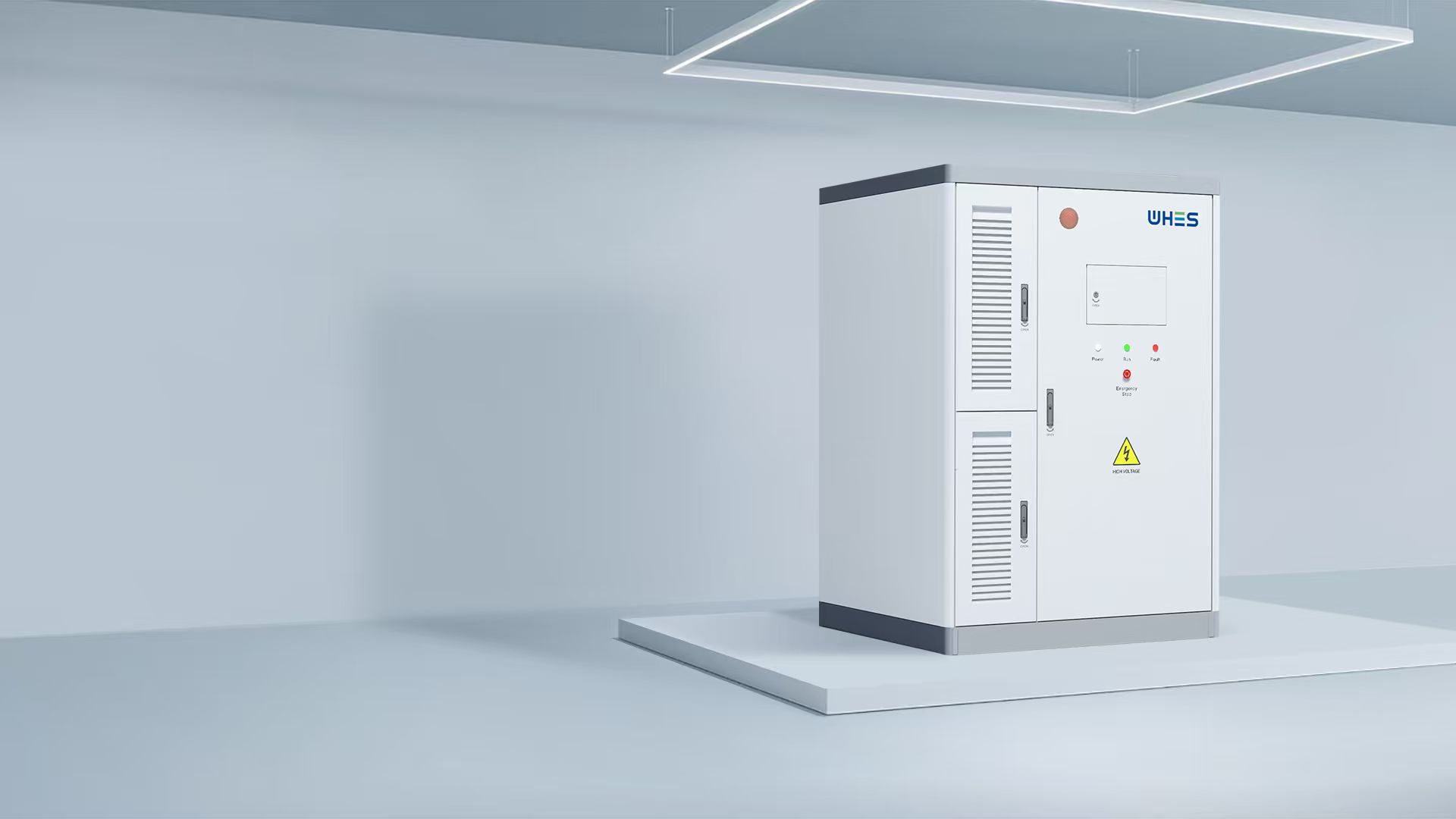
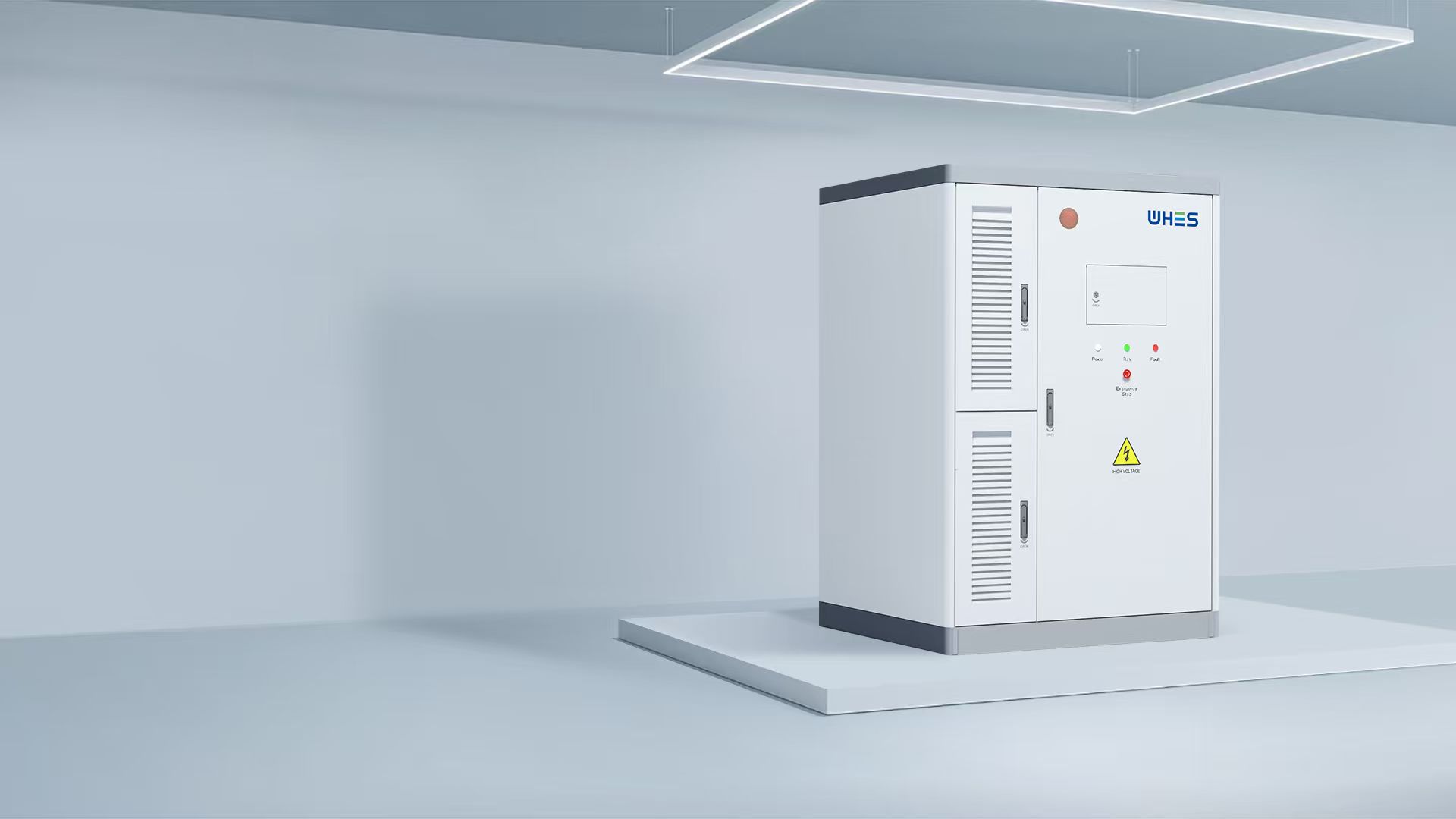
When commercial sites face layered tariff structures, the right battery placement is more than convenience — it’s a planning discipline. A clear framework aligns site wiring, load profiles, and dispatch logic so you actually shave peak charges instead of just shifting energy. That’s why many projects now evaluate integrated hardware early in the design phase and consider an all in one energy storage system to simplify commissioning. Real-world events like the February 2021 Texas winter storm show how distributed storage and smart placement can protect operations when the grid tightens — and how poor planning leaves assets underused.
Understanding the tariff variables you’ll see
Tariffs can include time-of-use rates, demand charges, capacity charges, and occasional ratchets or peak windows. Each component rewards different behaviors: time-of-use asks for shifting energy, demand charges ask for reducing instantaneous peaks. For three‑phase sites, unbalanced phase loads can defeat savings even if the battery has enough kWh on paper. So you need to map which tariff line items matter most before you place hardware.
A practical placement framework — step by step
1) Site assessment: record per-phase load profiles over representative weeks and identify the mains point(s) where peak current is measured. 2) Goal setting: decide whether you aim to cut demand charges, arbitrage energy, provide backup, or a mix. 3) Topology selection: choose between meter-side three-phase integration, per-panel phase-tied placement, or subpanel storage close to high peaks. 4) Sizing and control: match a three-phase inverter and battery capacity to peak reduction goals and specify state-of-charge (SoC) targets for peak windows. 5) Commissioning: test against live load and the actual billing meter so results are measurable.
Technical considerations that actually affect savings
Phase balancing is a central technical lever — a single overloaded phase can nullify tariff gains. Consider inverter topology (true three‑phase vs. multi-single-phase) and whether the controller supports per-phase dispatch. Factor in anti-islanding protection and interconnection limits, and verify ambient conditions for thermal management. Also, understand how the site meter calculates demand — is it rolling 15 minutes, 30 minutes, or coincident peak? That detail changes your SoC strategy and dispatch window.
Common mistakes and how to avoid them
Teams often size batteries by daily kWh needs and forget instantaneous power demands. They assume phase balance will “work itself out” — it rarely does. Contracts sometimes omit acceptance testing against the utility meter, so savings projections stay theoretical. A practical fix: require meter-side verification during commissioning and build per-phase telemetry into your EMS — it gives actionable targets rather than guesses. —
Integrating systems and vendor decisions
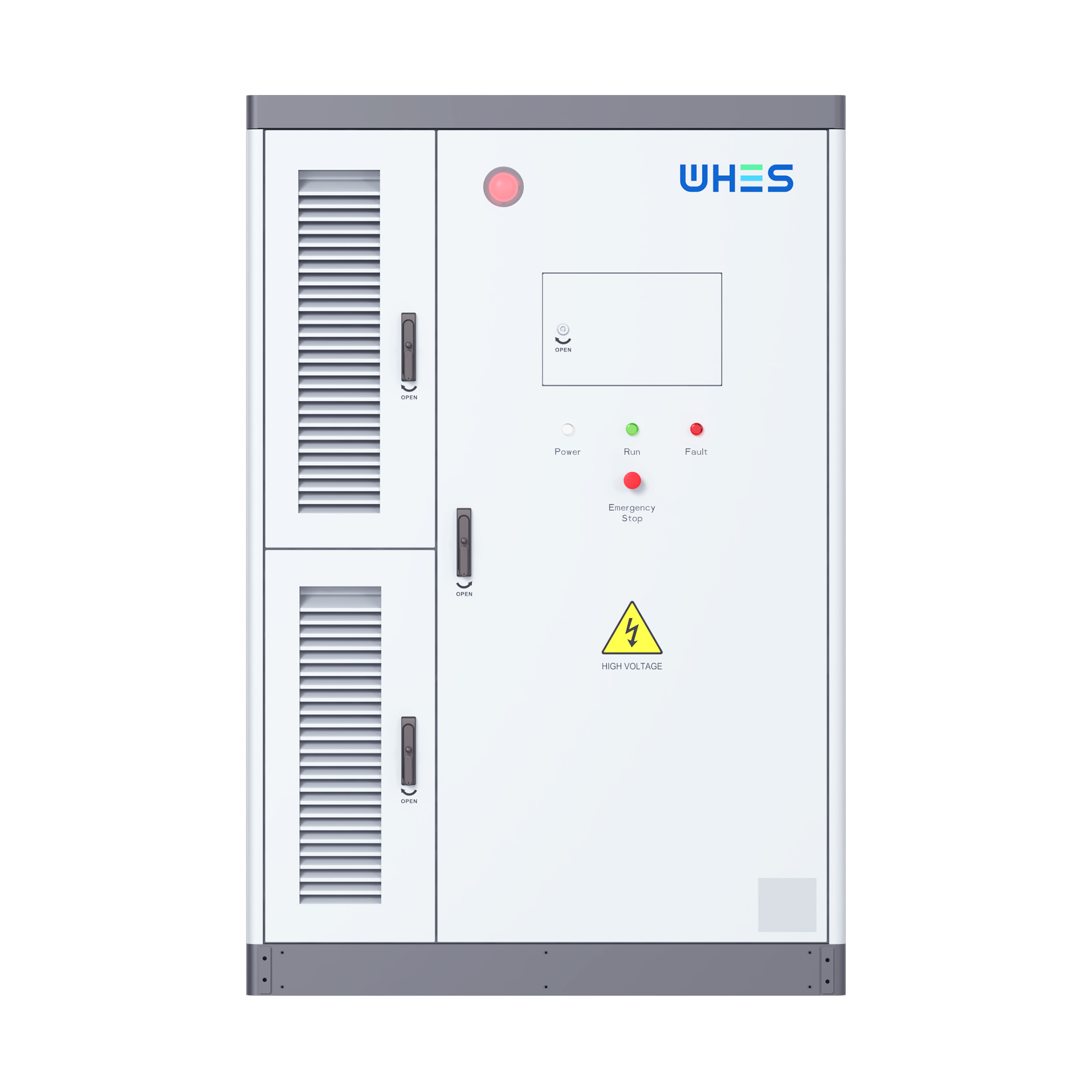
Deciding between modular stacks and integrated offerings hinges on project scale and timeline. Integrated units reduce install hours and simplify three‑phase wiring, while modular systems may offer easier capacity growth. If you prefer a single-supplier path for hardware plus controls and commissioning, evaluate an all in one power system for its balance of inverter, battery, and EMS compatibility. Look for demonstrated interconnection approvals in your jurisdiction — that cuts weeks off the schedule.
Short, unstructured note
A small change in where you tie into the service can shift several percentage points of savings—so it’s worth the extra survey time.
Advisory — three golden rules for evaluating placement strategies
1) Measure by bill impact, not just kW or kWh: use modeled and tested scenarios against your actual tariff to estimate dollar savings. 2) Verify phase-level control and telemetry: ensure the EMS can dispatch per-phase or per-load to address demand charges and avoid nuisance trips. 3) Prioritize proven interconnection and commissioning workflows: require vendor-provided acceptance tests against the utility meter and documented thermal and safety checks.
Final word
For projects that need clear, auditable tariff savings and reliable three‑phase integration, consider partners that deliver hardware, controls, and commissioning in one coordinated package — like WHES.