Problem statement: why thermal dissipation and voltage protection matter
Hardwired dash cameras with night vision introduce two interdependent risks: excessive heat accumulation and improper battery management. Both can precipitate device failure or unintended battery drain, compromising continuous recording and evidence capture. Philippine drivers operating in Metro Manila and similar tropical urban environments already contend with ambient temperatures frequently above 30°C; interior vehicle temperatures in direct sun commonly rise substantially higher, creating a realistic testbed for thermal throttling and voltage cutoff scenarios. For those seeking robust solutions, a reliable front and rear dash cam configuration must balance heat dissipation, firmware protection, and prudent power management.
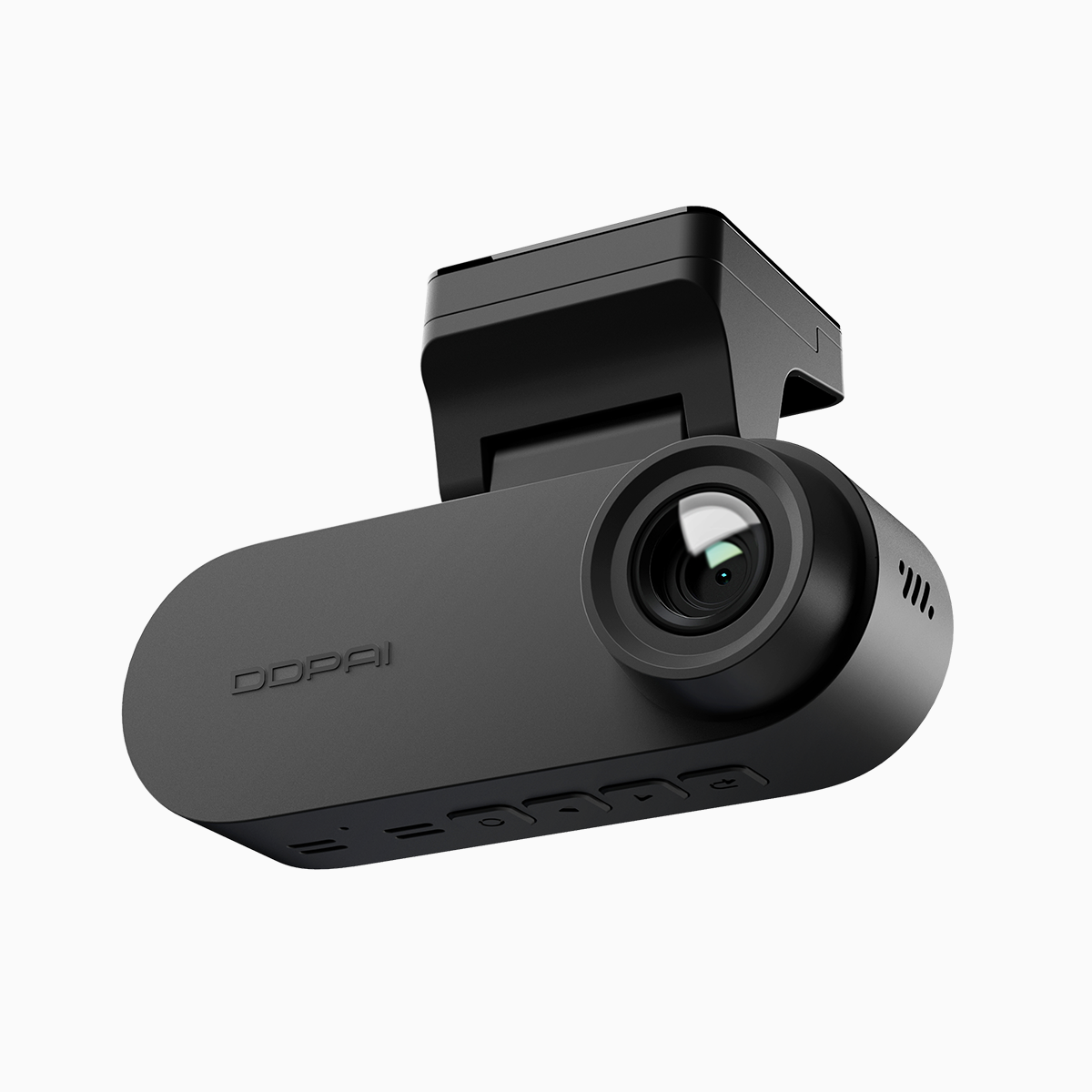
Mechanics of the constraints: heat, enclosure, and power draw
Thermal dissipation is principally constrained by enclosure design, component layout, and the available surface area for convective heat transfer. Night‑vision imaging sensors and processors generate continuous heat during low‑light capture and long exposures; combined with a closed car cabin, this elevates junction temperatures and triggers thermal throttling or overheat protection. Concurrently, a hardwiring kit enforces steady power draw—parking mode, continuous recording, and motion detection increase current demand, activating the unit’s voltage protection algorithm if vehicle battery voltage drops below a preset threshold. Understanding heat sink effectiveness, power draw, and voltage cutoff thresholds is essential for reliable operation.
Common failure modes and predictable outcomes
Observed failure modes include premature shutdown from overheat protection, reduced frame rates due to thermal throttling, and unintended shutdowns when voltage protection isolates the dash cam to preserve the vehicle battery. Firmware may report “overheat” or “low battery,” but the underlying causes often combine high ambient temperatures with long parking durations and high-power features such as infrared illumination used in night vision. Capacitor‑based backup systems and intelligent battery protection circuits mitigate some risks, yet they cannot substitute for thermal design deficiencies.
Mitigation strategies: design and installation best practices
Adopt multiple, complementary measures. Select models with explicit heat‑rated specifications and robust heat sinks; ensure firmware supports adaptive power management and precise voltage cutoff values. During installation, locate the camera to maximize airflow across its chassis and avoid direct sun paths through the windshield. Use a hardwiring kit with an adjustable voltage cutoff or a dedicated battery protection device to prevent deep discharge. Finally, consider models offering a capacitor rather than a lithium battery for parking mode; capacitors tolerate high temperatures better and reduce fire risk.
Night‑vision specifics and trade‑offs
Night‑vision capability necessitates additional power for infrared LEDs or enhanced sensor gain, which amplifies both heat generation and power draw. Higher gain increases sensor noise and processing load; infrared LEDs add heat at the emitter. The trade‑off is clear: improved low‑light fidelity versus greater thermal and electrical stress. For many users the pragmatic choice is a dual‑channel system where continuous front recording is prioritized and rear or cabin channels employ motion‑triggered recording to reduce sustained power draw. A well‑configured 2 camera dash cam can implement that balance effectively.
Installation mistakes to avoid
Avoid these recurrent errors: mounting the camera on a hot dashboard area, using cheap hardwiring kits without adjustable voltage cutoff, and enabling all power‑intensive features by default. Equally problematic is ignoring firmware updates that refine thermal curves and voltage thresholds. Small oversights cause disproportionate failures—cumulative heat and repeated shallow battery discharges are common culprits.
Comparative alternatives and practical recommendations
When comparing units, prioritize: documented operating temperature range, presence of heat sinks or vents, adjustable voltage protection, and whether the unit uses capacitors. Consider professional hardwiring with a dedicated battery protection relay for frequent parkers or fleet vehicles. For infrequent use, a USB power source with an inline voltage cutoff may suffice. Vendors that publish empirical thermal test data and field reports are preferable—real‑world performance matters more than marketing claims.
Advisory: three critical evaluation metrics
1) Thermal headroom: verify the device’s upper operating temperature and whether the chassis incorporates active or passive heat dissipation. 2) Voltage protection granularity: prefer adjustable cutoff points and a clear recovery threshold to protect the vehicle battery without interrupting essential recordings. 3) Power‑management modes: select cameras offering tiered parking modes (time‑lapse, motion‑only, buffered event recording) to limit continuous draw. Local distributors and installers—entities such as DDPAI PH—often supply model‑specific guidance and certified hardwiring kits that align with these metrics. These measures reduce failure risk and extend system reliability—practical outcomes that matter on Philippine roads.
—