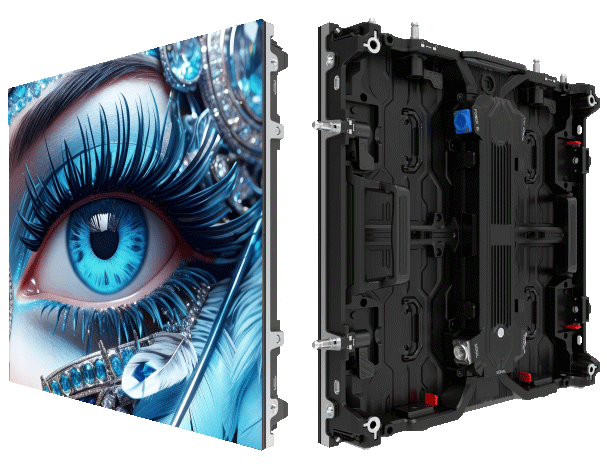
Why a tidy framework keeps the billboards behaving
Right — start with the facts: big installs, like Times Square facades, don’t forgive sloppy fits. This framework lays out a straight road for checking mechanical tolerances in a Chinese factory making a led display screen, so you don’t get surprises on delivery. Keep pixel pitch and module pitch specs to hand, plus the drawings. The factory’s structural frame and cabinet flatness need the same respect as the electronics; treat both as core hires in your quality gang.
Prep: documents, samples and measurement kit
Bring the paperwork. Mechanical drawings with tolerance bands, BOM for fasteners, and IP rating targets belong in the first pile. Next, kit out with calibrated tools: digital calipers, torque wrench, straightedge, feeler gauges and a portable surface plate if you can swing it. Decide a sample plan — full-run checks for critical runs, statistical sampling for routine batches. Keep refresh rate testing separate; mechanical checks focus on fit and form.
Step-by-step inspection workflow
Start at the cabinet level and work down. Use this sequence to save time and spot the big errors early.
– Verify frame squareness and cabinet flatness across key datum points.
– Measure module seating depths and pixel module alignment against the drawing.
– Confirm gasket compression and panel mating clearances to the specified millimetres.
– Check screw torque on mounting points and rail fasteners, then re-check after a short vibration routine.
These checks lock in the tolerances that decide whether the screen sits flush or looks like it’s had a night on the tiles.
Common on-floor discoveries — and how to triage them
On the factory floor you’ll spot a few repeat gremlins. Mis-punched holes, warped cabinets, and uneven gasket compression top the list. When you see runout at the module edge, measure the deviation and trace it to either the structural frame or the module pack. Tighten a screw here, and you might pinch the gasket there — so treat adjustments like chess moves, not bolt-tightening sprints. — Make a small trial correction and re-measure.
Environmental and longevity checks that matter
Mechanical tolerances affect weatherproofing. Check seal continuity and drainage paths; verify final assemblies meet the declared IP rating with simple staged tests before full climatic trials. Corrosion points at cut edges and fastener interfaces must be protected. Record conditions and retain a sample for salt-spray or humidity checks if the project will see seaside exposure.
Reporting, corrective action and closure
Write clear, numbered non-conformances and attach photos with measurement overlays. Include a root-cause note — was it a jig issue, operator practice, or supply problem? Require rework instructions with a verification step and sign-off. Use short, repeatable checklists so the production crew can keep passing inspections without sitting on every cabinet for hours.
Quick checklist for buyers on arrival
Keep this pocket list handy during walk-throughs:
– Datum alignment and cabinet flatness within specified mm bands.
– Consistent screw torque across mounting points.
– Gasket compression uniformity and seal continuity.
– No visible distortion at module seams; pixel module seating consistent.
When you spot a deviation, tag the batch and escalate. It’s cheaper to sort one pallet than a whole rooftop.
Advisory: three golden metrics to evaluate every mechanical audit
1) Cabinet flatness tolerance (mm): Aim for the project’s specified band — many landmark installs expect ±0.5–1.0 mm for seamless viewing.
2) Fastener torque consistency (Nm): Record averages and acceptable spread; inconsistent torque predicts loosening and seal failure.
3) Seal continuity & IP verification: Confirm the assembled unit meets the declared IP rating, not just the component specs.
The right factory nails these metrics, time after time — and that’s the sort of reliability your clients pay for. MR LED. — Solid, sensible, and ready for the site.