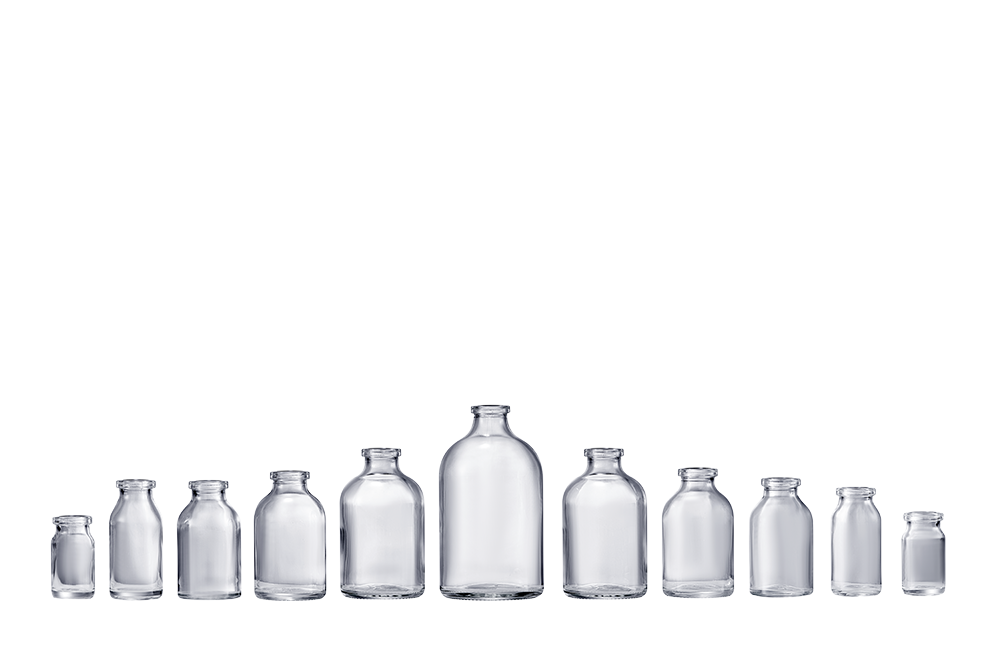
A Shop-Floor Tale That Changed My Mind
I remember a slow Tuesday at our Chattanooga plant back in March 2018, when I swapped out a brittle amber 2R for a borosilicate moulded vial on a pilot run (folks were wary, I was stubborn) and saw rejects drop 18%—what did that mean for the bottom line on a 10,000-unit batch? That number mattered. I vividly recall the foreman’s face lightin’ up when we counted fewer chips at the depyrogenation station; shoot, I’ll tell ya, that was the kind of change you notice quick. From that day I started looking past glossy brochures and into the real pains: grind in the filling line, inconsistent neck finish that chews up caps, and the hidden losses from ruined lyophilization batches when glass microfractures go unseen.

Why the Old Fixes Don’t Cut It
I been in this B2B supply game over 15 years, and I can say straight—most folks patch the symptom. They boost inspection, they add buffers, they blame operators. But those stop-gap moves don’t fix root causes like thermal stress in poorly annealed glass or wrong dimensional tolerances on the vial’s neck finish. I once audited a line where the nominal spec was met on paper, yet contamination events kept rising because the moulding process left microroughness near the shoulder; we traced three contamination incidents in Q2 2019 back to that single surface flaw. That taught me a specific rule: tolerances matter as much as material. The old “we’ll inspect more” trick eats labor and morale; it don’t lower scrap consistently. Now I pay attention to process variables—mould temperature, anneal cycles, dimensional SPC—because those cut scrap where inspection only masks it. This is where I began using measurable checks (torque tests, visual magnification, sample depyrogenation runs) to actually reduce risk and not just shuffle it along. Next, I look at choices that change the math.

Looking Forward: Choices That Actually Change the Math
What’s Next?
Now I shift into technical comparison — not hand-waving, but numbers and trade-offs. When I evaluate a moulded vial supply, I weigh three things: material resilience (borosilicate vs soda-lime), neck finish consistency (critical for cap torque and seal integrity), and pre-shipment depyrogenation validation. On a recent quote review I asked a new vendor for their anneal curve and cavity tooling life; that one ask cut my projected in-line rejects estimate by half—real savings, not guesswork. I also compare supplier traceability—batch IDs, cavity maps—and insist on sample lyophilization trials when product is sensitive. If you’re sizing options, put these under SPC and demand data: break-strength distribution, surface roughness metrics, and cap-seal leak rates under 1% RH. These metrics tell you whether a moulded vial supplier will lower your runs’ total cost or just shift costs to maintenance. I prefer options that reduce variances — less jitter on the line, fewer stoppages — and that scales straight into labor and freight savings. In short, measure the driver, not the symptom—then choose. — And yes, sometimes you gotta walk a line with the crew to see it for yourself. (That hands-on look saved us roughly $1,500 in direct scrap on one 10,000-unit run, fwiw.)
Three quick metrics I use when vetting solutions: 1) percent rejects per 10k units under real-line conditions, 2) standard deviation of neck finish diameters, and 3) validated depyrogenation cycle pass rate. Use those. I keep coming back to pragmatic tests over pretty talk—those numbers guide purchase and process choices every time. For reliable supply and clearer specs, I lean on partners who back data with shop-floor proof — like LINUO.