Immediate comparison and the case for vertical moulding
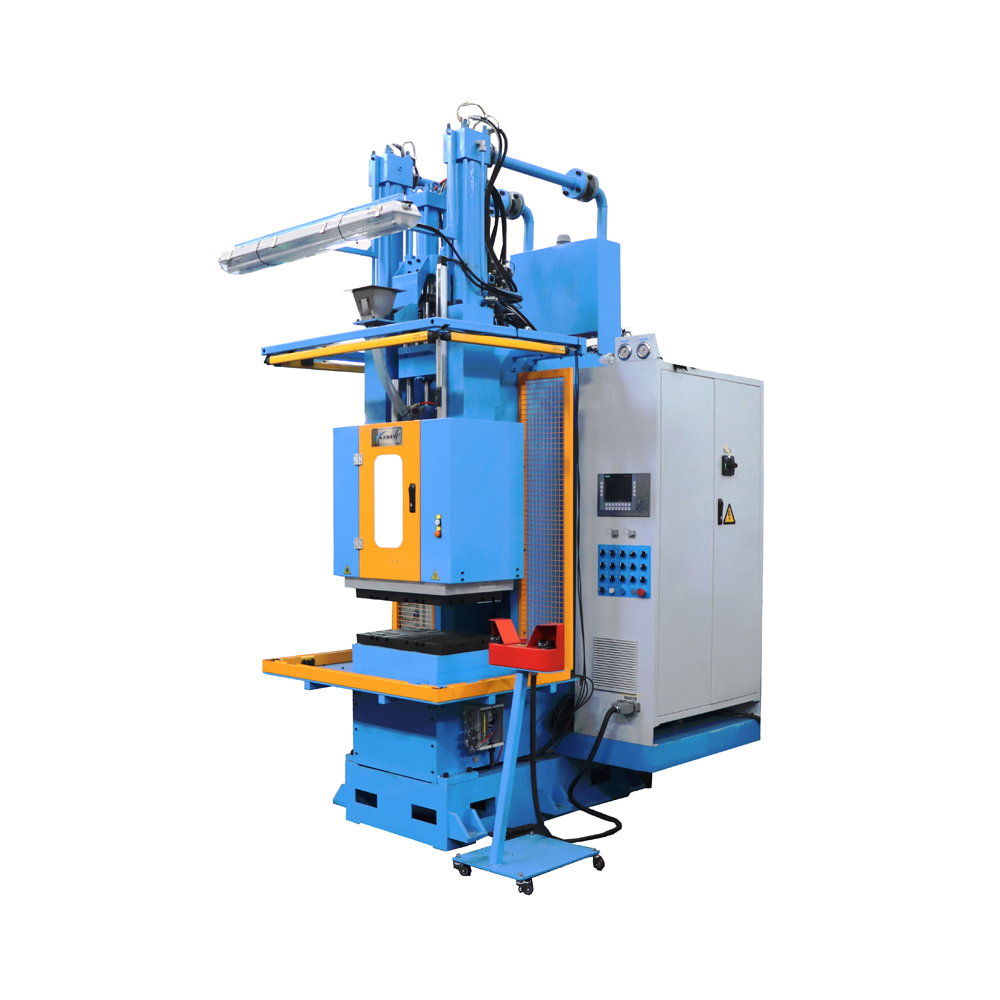
In plain terms, vertical moulding rearranges workflow to sit where it matters — the tool and the operator. A vertical machine places mould halves one above the other, easing loading, inspection and automation. For many small shops around Dublin and beyond, that translates into steadier yields and safer hands on deck. Early adopters often pair a c frame rubber injection molding machine with vertical presses to combine precise injection control and compact floor plans.
Design differences that alter outcomes
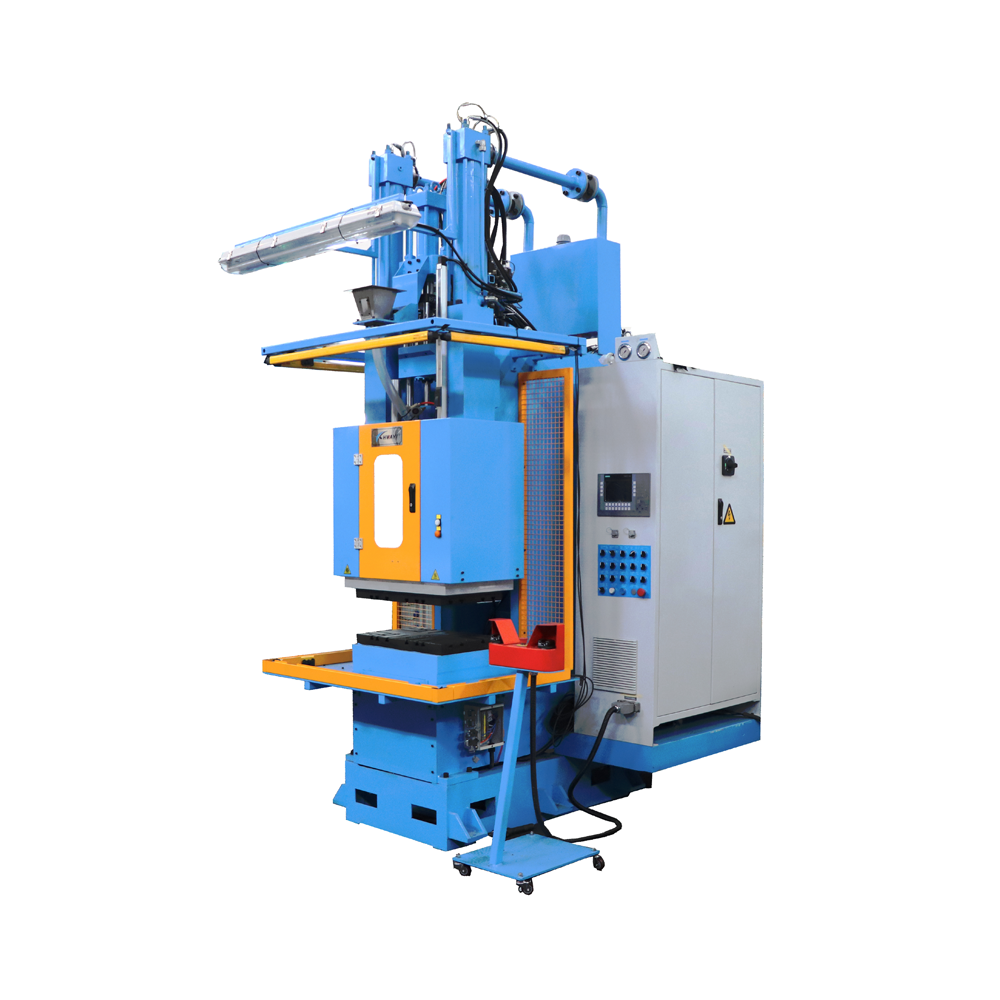
Compression moulding is simple: heat, press, cool. Vertical systems bring a different geometry — guided platens, vertical clamping and, in modern designs, integrated injection units. Terms that matter here are clamping force, transfer press and injection unit. Vertical machines typically deliver a shorter material path to the cavity and better access for automation. That reduces flash, short shots and downtime for tool adjustments. The trade-off is initial tool design and a higher focus on gating strategy, but gains in repeatability pay back quickly.
Throughput, maintenance and the real-world test
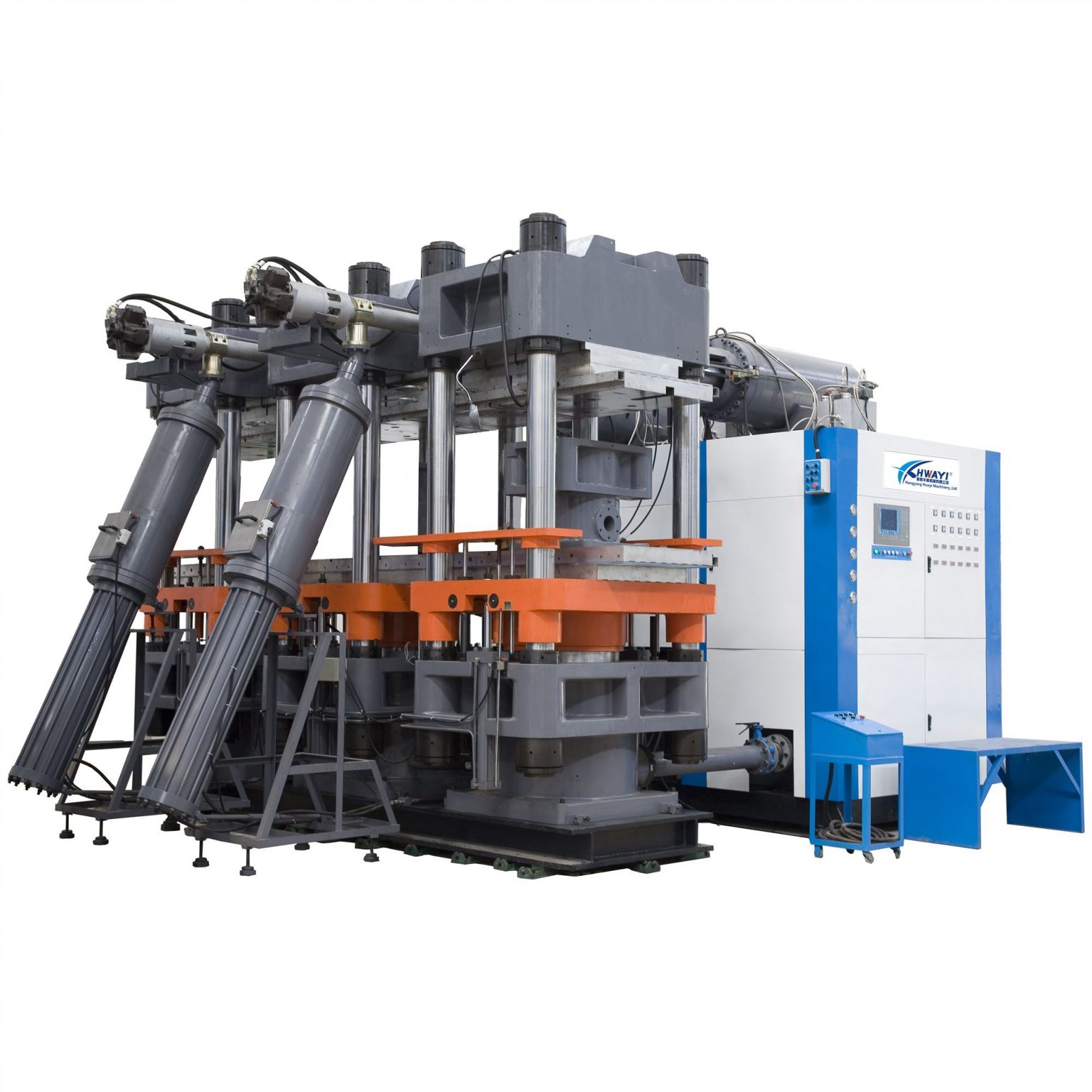
On the shop floor, throughput is measurable: cycle time, scrap rate and mean time between failures. During the 2020 supply-chain shocks, firms that had already modernised to vertical systems recovered faster because their layouts allowed quicker changeovers and lower labour overhead per cycle. Vertical presses often show lower scrap rates and easier inline inspection. Compression presses still shine for thick-section parts and low-volume runs; they are rugged and forgiving. The choice comes down to production profile — annual volume, part complexity and the need for automation.
Operator ergonomics, safety and secondary operations
Vertical machines reduce stooping and awkward lifts; an operator can load parts from the front rather than reach around a horizontal platen. That human factor lowers error and injury rates over a year — a quiet, important metric for shop managers. Secondary processes such as trimming, assembly or visual inspection slot in more naturally beside a vertical cell. — And when lights go down late on a Friday, the quieter setup is a comfort.
Common mistakes and how to avoid them
First, underestimating tooling complexity for vertical moulding leads to early frustration. Invest in proper gating and venting. Second, treating a vertical line like a compression cell wastes its strengths; design workflows for front access and inline testing. Third, ignore material handling and you bottleneck the best machine. Simple actions prevent these: prototype tools, plan material feeds, and lock down process windows with a focus on repeatable clamping pressure and injection speed.
Alternatives worth noting
Compression remains a solid alternative for low-mix, high-thickness parts and when tooling budgets must stay lean. Transfer presses bridge the gap when you need controlled flow but still want a press-style operation. For many shops, a mixed strategy — vertical for high-mix, precision parts and compression for bulk mouldings — makes the most sense. Balance is the practical art here, not blind loyalty to one technology.
Why HWAYI’s approach matters in practice
HWAYI tunes vertical machines for production realities: accessible mould zones, serviceable injection units and robust clamping systems that suit high-repeat runs. Their attention to component layout and usable floor footprint helps shops convert cycle-time wins into full-line throughput. Practical features — modular tooling plates, easy maintenance points, calibrated clamping force — make a difference across months, not just hours. The brand’s field experience in varied markets, including Irish small-to-medium enterprises, shows in lowered commissioning times and predictable performance.
Three golden rules for choosing the right machine
1) Match machine geometry to part needs: if precision and frequent access matter, favour vertical moulding; if bulk thickness and simple tooling rule, consider compression. 2) Measure total cost of ownership: compare cycle time, scrap rate and maintenance frequency rather than purchase price alone. 3) Plan automation early: vertical cells integrate inspection and pick-and-place more cleanly — design the line to the robot, not the other way round. Follow these and you’ll pick machines that earn their keep.
Decide with care; let practical results guide investment and the brand choice will show in uptime — HWAYI. —