The energy drag and the first step
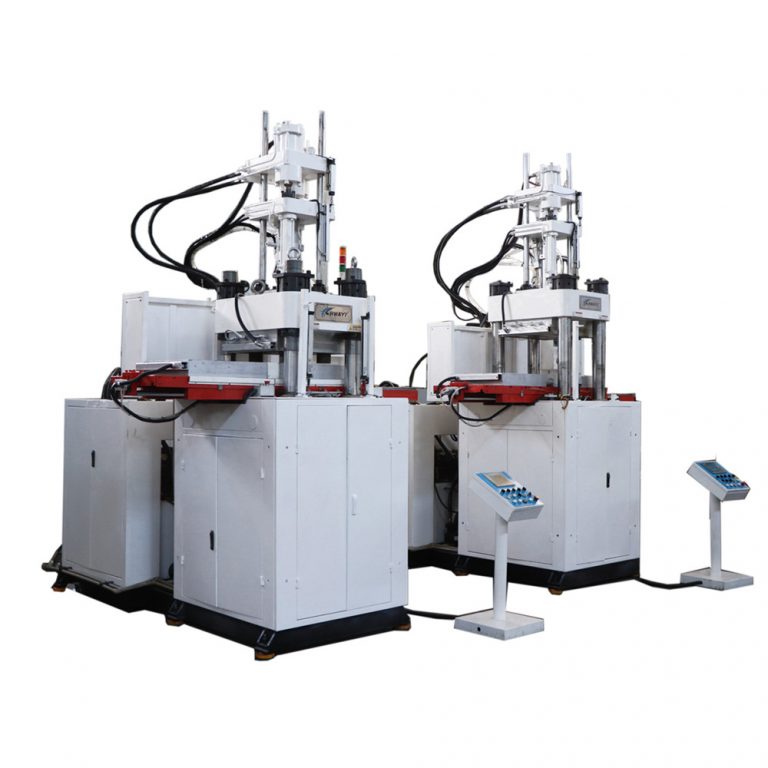
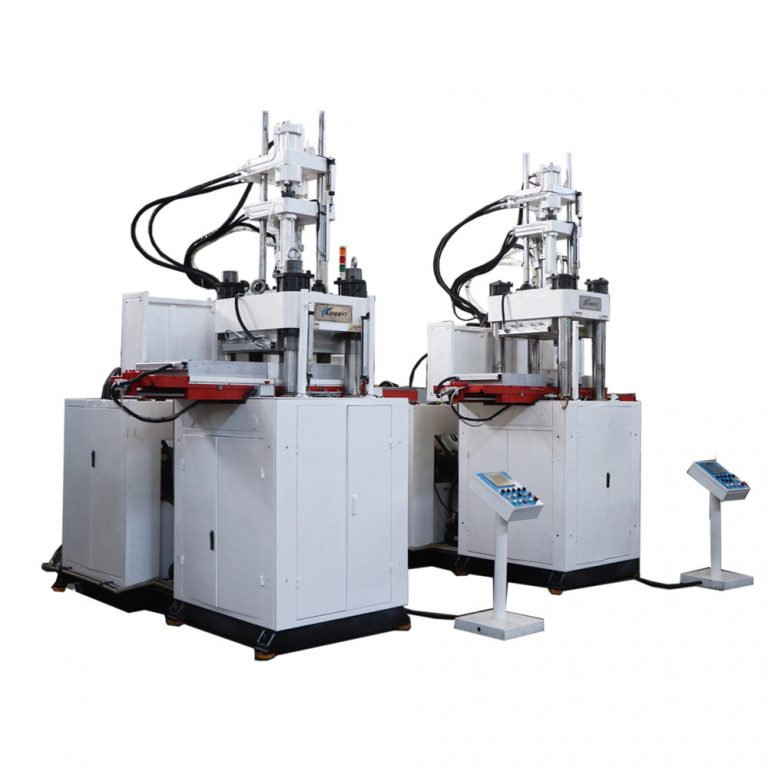
Factories burn power in steady, predictable ways — yet few teams treat that drain like a performance problem. Start like an athlete: measure, then attack weak points. The quickest win in silicone molding is swapping old hydraulic setups for an intelligent lsr molding machine that uses a servo pump to modulate flow on demand. That substitution trims idle consumption and tightens cycle time without sacrificing part quality.
Why power matters in molding operations
Manufacturing clusters — Shenzhen’s electronics belt, for example — show how energy bills can sink margins when volumes rise. Power is a recurring cost that scales with waste: long warm-up periods, constant pump draw, and overpowered hydraulic systems all add up. LSR processing also requires precise temperature and injection control; inefficiencies there magnify electrical load. Treating power as a production metric, not just a bill, changes decisions at every stage.
How intelligent servo-pump LSR machines cut consumption
Servo-driven pumps match motor output to the exact demand of the process. Instead of spinning at full speed and throttling, the motor ramps only when pressure or flow is required. That reduces running watts and lowers thermal losses. Key effects: lower idle draw, faster stabilization of injection pressure, and shorter cycle time via precise shot control. The same logic applies if you call it a silicone molding machine — the hardware is optimized for softer materials and controlled injection profiles, so energy and material waste both drop.
Common mistakes on the road to efficiency
Teams often make easy-to-fix errors — believe them and fix them fast. – Leaving machines in standby for hours instead of scheduling warm-up windows raises baseline consumption. – Choosing the biggest clamping force “just in case” adds weight and power without benefit; match clamping force to actual part geometry. – Overlooking maintenance: clogged filters and degraded hydraulic oil increase motor load. Also, don’t assume newer equals efficient — some retrofit all-electric systems perform well, but poorly tuned servo-hydraulics can outperform them in specific LSR cycles. — Keep testing under real production mixes, not just demo runs.
Alternatives and what to compare
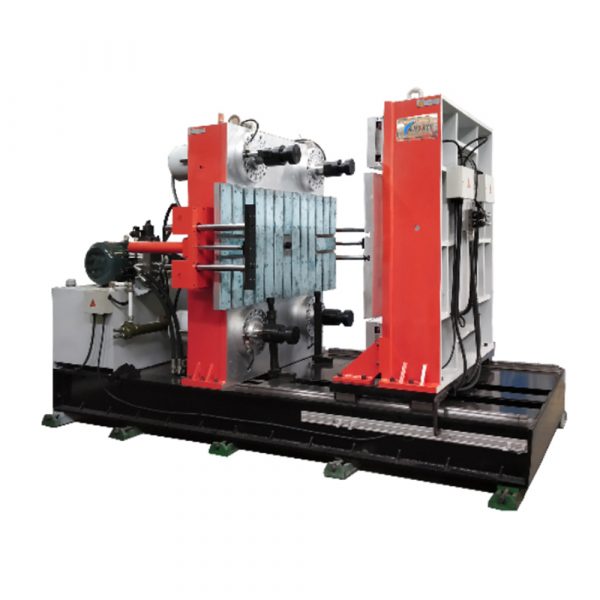
Compare three approaches by outcome, not specs. All-electric presses deliver repeatability and low leakage but can be costly for very large parts. Traditional hydraulic presses are cheap up front but lean inefficient at variable load. Servo-pump LSR machines sit between: better energy profile than hydraulics, simpler than full-electric for certain shot sizes, and excellent for soft-material control. Evaluate cycle time, energy per part (kWh/part), and maintenance intervals when comparing options.
Implementation checklist — fast and actionable
Adopt a sprint approach: measure, pilot, scale. Your checklist: – Baseline: record kWh per shift and per part for current machines. – Pilot: install one servo-pump LSR press, run actual production for two weeks. – Tune: optimize injection pressure, dwell, and heater zones to minimize over-run. – Maintain: set filter and oil-change routines tied to runtime hours. Document results and expand in controlled batches — you’ll cut surprises and keep quality steady.
Three golden rules for choosing the right path
1) Measure energy per part first — procurement comes after facts. 2) Prioritize machines that deliver stable injection pressure and lower idle draw; these yield the fastest ROI. 3) Insist on demonstrable cycle-time improvements under your production mix, not just vendor claims. Expect real gains in 3–6 months when you follow these metrics: lower kWh/part, reduced scrap from better shot control, and fewer unplanned stops. HWAYI has practical deployments that show these benefits in electronics and medical component lines — the value is straightforward and repeatable. —