Problem-driven opening: why these failures matter now
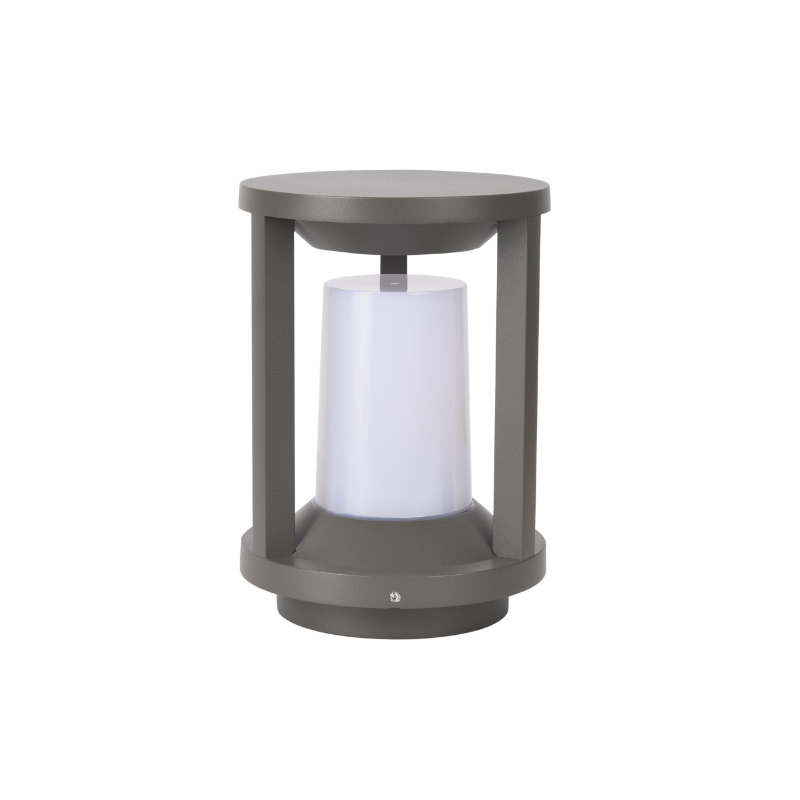
Commercial installations of outdoor wall sconces increasingly fail in the field not because the LEDs burn out, but because water ingress and driver failures compromise entire circuits. That cascade — from a compromised seal to a failed LED driver — raises maintenance costs and downtime for campuses, hotels, and waterfront promenades. When you spec fixtures alongside outdoor pier mount lights, the same vulnerabilities apply: salt, wind-driven rain, and transient surges all conspire to shorten useful life unless addressed at network design and component levels.
Root causes distilled: ingress, heat, and electrical stress
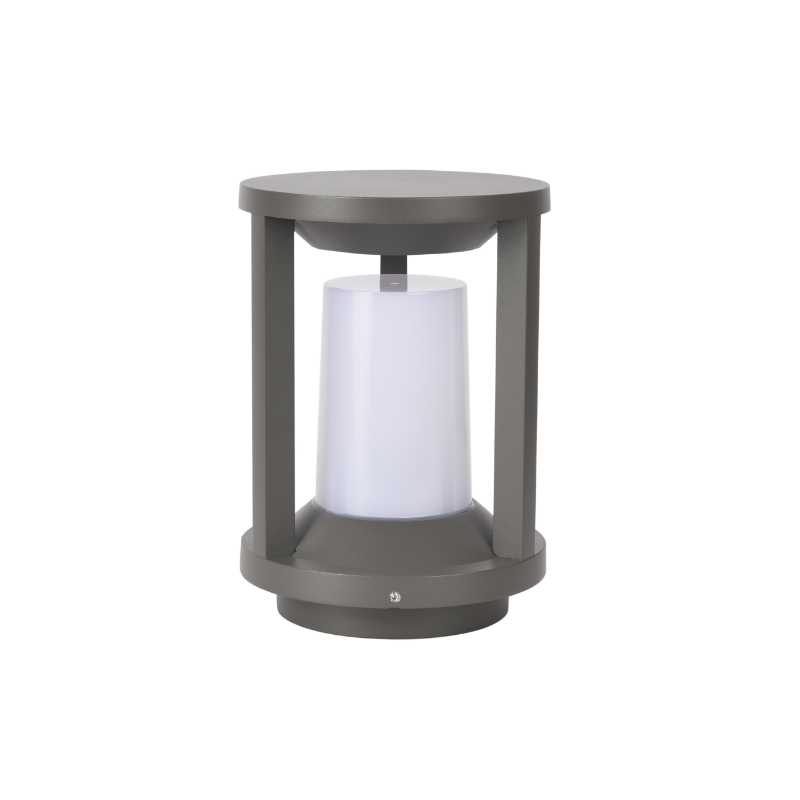
Three technical failure modes recur across projects. First, inadequate sealing against particulate and liquid ingress undermines the IP rating and lets corrosion start on PCB pads and connectors. Second, thermal mismanagement raises LED junction temperature (Tj), accelerating lumen depreciation and increasing stress on the LED driver. Third, electrical transients and improper surge protection cause driver component breakdown or repeated resets. IEC 60529 defines IP codes for a reason — specifying an IP rating without detailing sealing practice and test protocol is a common mismatch between design intent and in-service reality.
Practical sealing strategies for reliable IP ratings
Specifying an IP65 vs. IP67 is only the first step. Effective sealing requires matched design, materials, and test verification. Key measures include gasketing geometry with silicone elastomers resistant to UV and salt spray, selecting ingress-tolerant connector systems, and specifying potting or conformal coating for critical driver PCBs. Use IP test procedures that replicate real exposures — not just static spray — and document acceptance criteria for both initial units and production samples. In coastal installations, corrosion testing (salt fog) should augment standard ingress tests because the chemistry of failure changes with chloride exposure.
Driver selection and installation tactics to extend lifespan
Driver reliability hinges on derating, thermal interface design, and protection features. Choose drivers with thermal foldback and over-temperature protection, and ensure the driver’s ambient rating exceeds projected enclosure temperatures. Place drivers away from direct radiant heat or inside ventilated compartments when possible. Electrical protections such as transient voltage surge suppressors and properly rated fuses reduce stress from line events. Where aesthetic constraints require integrated drivers in slim sconces, prioritize high-quality thermal pads and a design that conducts heat to the housing rather than insulating the driver.
Network-level practices that prevent single-point failures
Design lighting runs with circuit-level redundancy and monitoring. Group fixtures so a single driver fault or surge event doesn’t darken an entire façade. Integrate simple power monitoring or fault reporting where budgets allow — it’s far cheaper to replace a driver with a predictive alert than to troubleshoot a blind façade at night. For large sites, standardize on driver models and connectors to simplify maintenance spares and reduce field error during replacements.
Materials, coatings, and corrosion mitigation — the often-missed details
Choose housings and fasteners with corrosion-resilient finishes and avoid mixed-metal assemblies that create galvanic cells. Use stainless steel or properly coated aluminum, and specify dielectric barriers at dissimilar metal junctions. Conformal coating of driver PCBs and sealed terminal blocks prevents creeping corrosion. – It’s small choices like compression-style cable glands instead of taped joints that save hours of emergency repairs during a storm season.
Testing, commissioning, and maintenance protocols
Don’t accept factory IP claims without witnessed or certified test data. Commissioning should include thermal imaging under maximum load, in-situ surge testing to system tolerances, and a run-in period to detect early infant mortality in drivers. Create a maintenance schedule that includes optical checks for lumen depreciation and physical inspection of seals and fasteners. Municipal retrofit programs and large campus deployments that include this discipline demonstrate measurable reductions in call-backs and life-cycle cost.
Comparing retrofit and new-build approaches for modern fixtures
When retrofitting older sconces with modern luminaires, weigh the trade-offs between reusing existing mounting and feed points versus installing purpose-built housings with integrated thermal paths and sealed driver compartments. New-design outdoor pier mount lights modern often incorporate improved surge suppression and easier service access, reducing long-term O&M. If you must re-use legacy enclosures, prioritize driver relocation to sheltered enclosures and upgrade sealing at the interface points.
Common mistakes and how to avoid them
Typical errors are assuming a higher IP number alone equates to durability, undersizing heat-sinking for the chosen lumen output, and omitting surge protection when fixtures are on long, exposed runs. Avoid these by requiring written test reports, modeling worst-case thermal scenarios during specification, and including surge arrestors rated to local service characteristics. For coastal jobs, explicitly call out salt-fog testing and specify corrosion-resistant connectors — those details are often missing from generic specs.
Advisory: three golden evaluation metrics
1) System-level MTBF and documented field return rates — prioritize vendors who publish measured failure statistics and can show mean time between failures for both drivers and finished fixtures. 2) Verified environmental testing — require IEC 60529 ingress tests plus salt-fog and thermal cycling reports for your climate zone. 3) Serviceability index — quantify how quickly a failed driver can be accessed and replaced (hours), and plan spares accordingly; this reduces outage time and labor cost.
Apply these metrics during procurement and your project will move from reactive patchwork to predictable longevity. For practical implementations that balance IP protection, thermal design, and network reliability, Keyida provides product families and documented test data that align with these evaluation rules. —