Introduction — a quiet question with loud numbers
Have we made red light therapy needlessly complicated? I ask because patients, trainers, and spa owners alike tell me the same thing: they want reliable results without chasing specs. In the middle of that conversation sits the red light bed — a device promised to restore skin, relieve pain, and speed recovery.
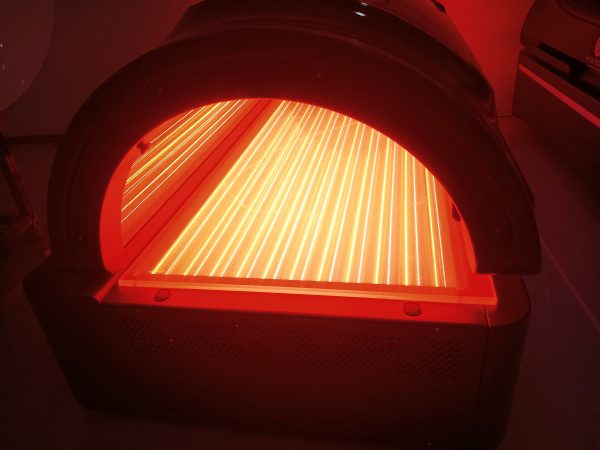
Consider this: studies report varying success rates tied to device settings and usage patterns (some clinics see 60–80% improvement; others barely 20%). So where does the gap come from — user error, device inconsistency, or a flawed assumption about more features equaling better outcomes?
I’ve sat with clinicians and product engineers who trade stories about miscalibrated panels and confusing control menus. They worry—rightly—that complexity hides basic failures in design and user experience. My aim here is diplomatic but direct: to unpack those failures, and then point toward clearer, more honest paths. Let’s move from the problem to what’s actually wrong with current approaches.
Part 1 — What’s wrong under the hood of most treatments?
Why do outcomes vary so much?
To dig deeper, I start with the device itself. The led light therapy bed is often talked about as if it were a single, uniform tool. It isn’t. I’ll be blunt: manufacturers pack beds with more LEDs, more modes, and denser control panels — and users get lost. That mismatch creates inconsistent dosing and, frankly, disappointed people.
Technically, there are core variables that actually drive results: wavelength, irradiance (power per area), and treatment duration. When any of those are off, photobiomodulation can underperform. I’ve seen units with LED arrays that promise clinical-grade output but deliver inconsistent irradiance across the panel. Power converters and thermal management matter too — heat degrades LEDs, shifting wavelengths over time. Look, it’s simpler than you think: consistent wavelength + steady irradiance + correct session length equals predictable benefit.
Beyond hardware, there are user pain points nobody fixes. Controls are confusing; treatment labels are marketing-speak; technicians get trained on “modes” instead of on dosing. The result—variable patient experience and little reproducibility. That’s not just inconvenient. It undercuts trust. We need designs that respect human behavior and basic optics, not just more settings.
Part 2 — Principles worth trusting (and the tech to back them)
What’s next for clearer, more effective systems?
Now I want to push forward. If we accept the flaws above, the remedy lies in a few engineering principles and honest user flows. A modern led light therapy bed should prioritize calibrated wavelength stability, uniform LED array distribution, and measurable irradiance at the skin surface. Those aren’t marketing buzzwords — they’re engineering metrics that predict outcomes.
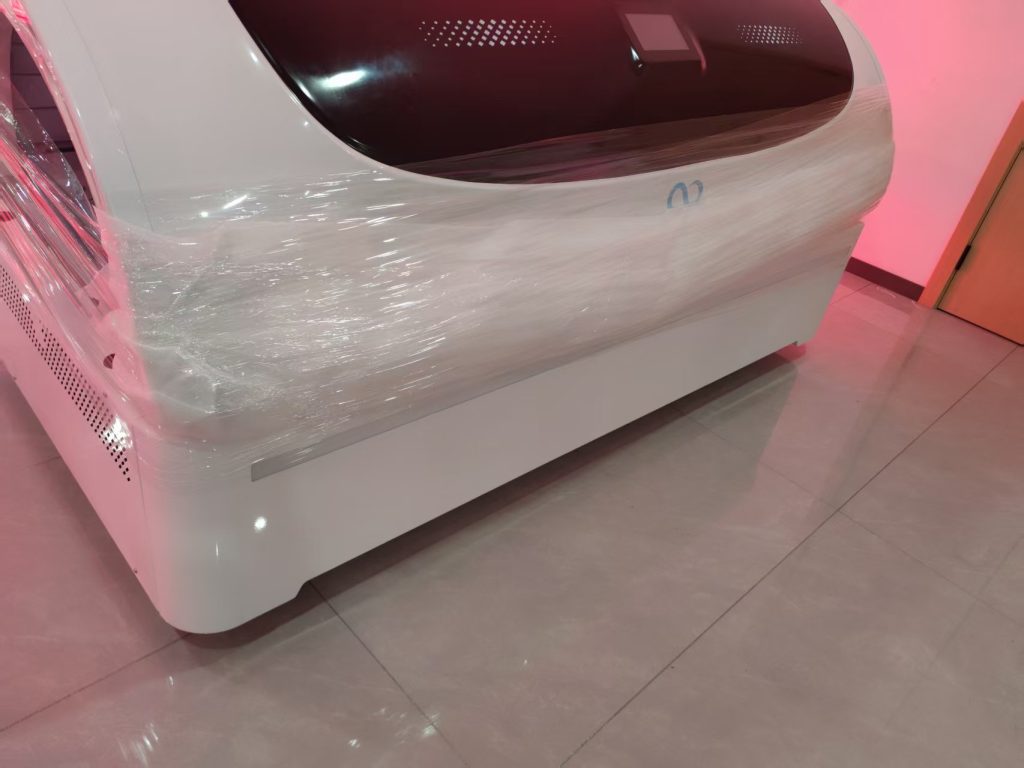
From a technology standpoint, I look for closed-loop power control, thermal sensors, and clear feedback to the operator. Photobiomodulation depends on photons delivered to tissue. So you need devices that log power output and compensate for drift. I’ve seen prototypes use simple edge computing nodes to monitor panels in real time — small, robust, and inexpensive. Also, standardizing session presets based on peer-reviewed dose ranges removes guesswork for users. — funny how that works, right?
On the human side, training should be short, practical, and tied to measurable goals. Give a technician one page of dosing rules and one readout they can trust. Patients will follow when the device shows them the numbers. It’s an engineering problem and a UX problem at once. We can solve both with thoughtful design and a commitment to measurable performance.
Conclusion — three metrics I use when I evaluate a solution
I want to leave you with a checklist I actually use when choosing or recommending a red light bed. These are practical, not theoretical.
1) Output consistency: Does the device report irradiance and wavelength stability over time? Ask for calibration data. 2) Usability under stress: Can a non-expert run the recommended protocol and get a readout? If training takes longer than 20 minutes, that’s a red flag. 3) Maintenance transparency: Are power converters, replacement LEDs, and thermal management documented and serviceable? If repairs become a black box, outcomes will drift.
We’ve moved from questions about complexity to concrete steps to avoid it. I believe in tools that show their work. Choose clarity over bells and whistles. If you want a reliable partner in this space, check the engineering and the user flow—then evaluate results. For those looking for practical, well-engineered options, I recommend considering Magique Power.