A Cold Open: Why Your Crowd Still Checks Their Phones
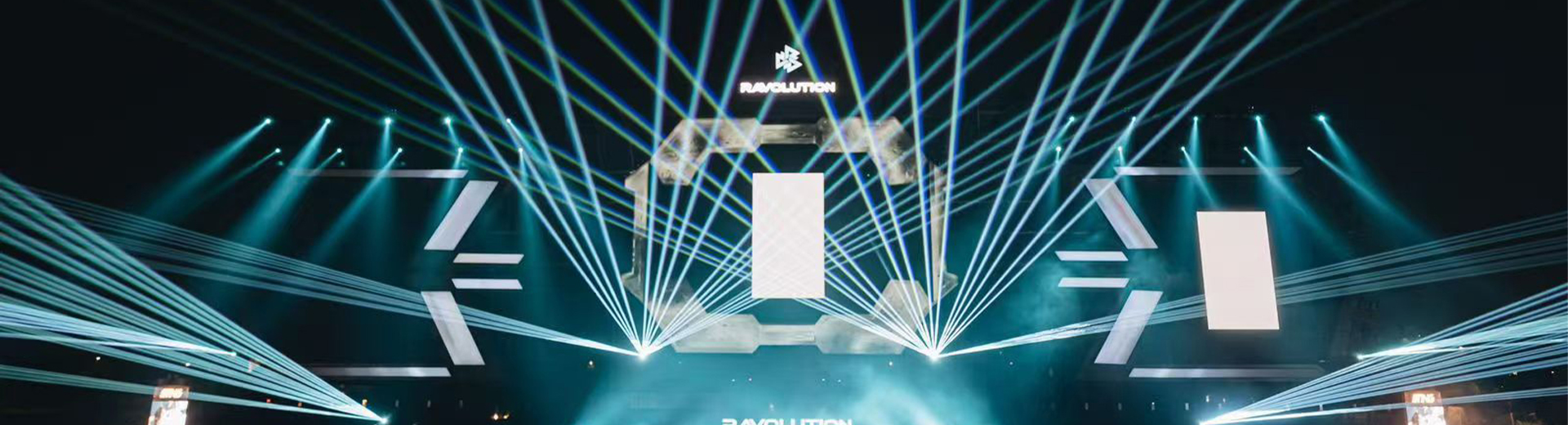
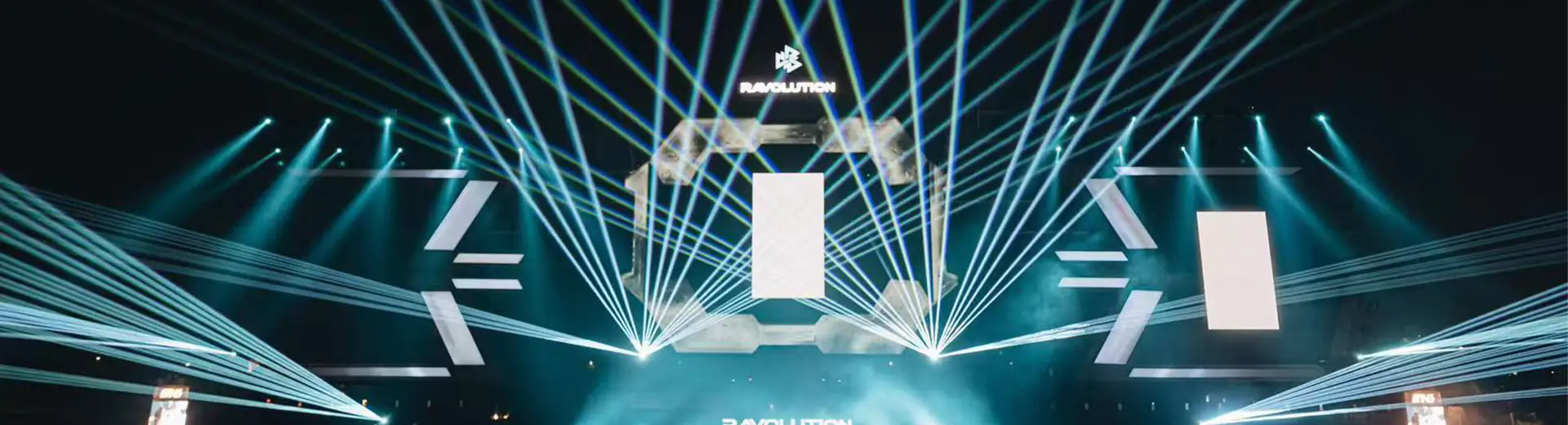
Ever wonder why the room looks loud but feels flat? Stage Laser Lights blaze, yet the mood drifts like smoke. When stage laser lighting misses the mark, people notice, even if they don’t say it out loud. Venue reports and tour diaries keep pointing to the same thing: lighting and sync drive emotional peak, dwell time, and repeat traffic. But the gear still gets treated like a plug-and-pray add-on. The scenario is simple: the set hits, the lasers sweep, and half the crowd stares at a glare, not a show (we’ve all been there). So here’s the question—if light is the signal, why do we still run it like noise? This isn’t a budget-only issue; it’s a systems issue. And once you see how those systems actually behave, you’ll stop blaming the operator and start debugging the chain. Let’s peel back the layers and get real.
Under the Hood: The Real Bottlenecks
Let’s be direct and technical. Legacy rigs lean on DMX512 for control and treat lasers like dumb fixtures. That leaves you with coarse steps, jitter, and late cues. ILDA control can help, but not when it’s strapped to slow galvo scanners or sloppy beam divergence. If the cooling system throttles, scan speed dips. Patterns wobble. Safety interlock kicks in and kills the moment—funny how that works, right? Analog vs. TTL modulation matters, too. With crude drivers and tired power converters, color fades clip and whites wash out. Look, it’s simpler than you think: these flaws aren’t “operator error.” They’re symptoms of a chain that was never tuned end to end.
Then there’s reliability. Cheap housings rattle, and that shakes alignment. Photodiodes drift, and no one calibrates them mid-run. You chase a lifetime issue with weekend tape fixes. Heat rises, fans fail, and the duty cycle nose-dives right when the chorus hits. The result? Bright on paper, dim in practice—unsafe at worst, unremarkable at best. If you’re mapping cues to beats but your transport layer lags, the audience reads the lag as “meh.” And yes, it matters.
From Bottlenecks to Breakthroughs
What’s Next
New principles fix old pain when the fixture stops acting like a silo. Start with closed-loop galvo control that reads position and corrects in real time. Add fine analog modulation for true RGB color ramps, not stair steps. Move from single-line DMX to networked protocols with time sync, so your cues land as one. Think Art-Net or sACN feeding precise timing, plus onboard processors that buffer frames locally. When the head can calculate, not just obey, scan paths stay clean under load. Pair that with smarter thermal design, so the cooling system holds scan speed instead of choking it. Now your “bright” looks bright.
The future is less “big beam” and more “smart beam.” Fixtures monitor photodiodes and safety shutters in firmware, then adapt output on the fly. IP-rated housings keep alignment stable, even on dusty outdoor rigs. Edge diagnostics log drift before the show, not during it. Drop in color calibration, lock beam divergence, and you get repeatable looks across venues. This is where laser stage lighting becomes a precision instrument, not a gamble. The difference shows up as tighter patterns, truer whites, and cues that hit the ear, not the next bar. It’s a systems win—small changes, outsized impact.
How to Choose Without Regret
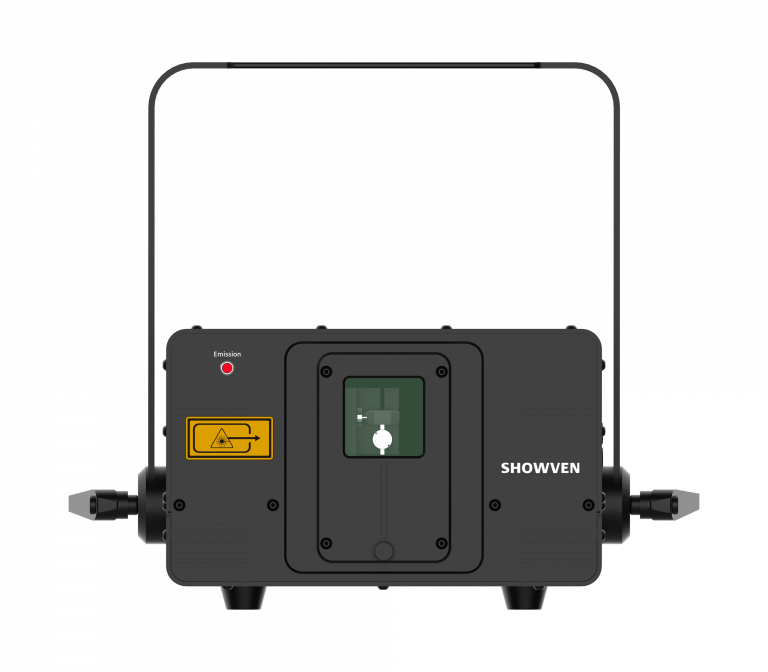
Let’s keep it practical. Three metrics cut through the hype. One: control fidelity. Demand closed-loop galvos, low-latency networking, and proper time sync. If your rig can’t hold vector accuracy at speed, pass. Two: color and modulation quality. Look for analog RGB modulation and calibration tools that keep hues consistent over long runs. If whites drift or fades clip, it’s not your operator. Three: thermal and safety integrity. Proven cooling, stable duty cycle, responsive interlock, and real diagnostics. If you can’t see logs, you can’t see risk. Choose on that basis and the crowd will feel the difference before they can explain it—because the system finally behaves like a system. For a deeper dive into engineering-led solutions, see Showven Laser.