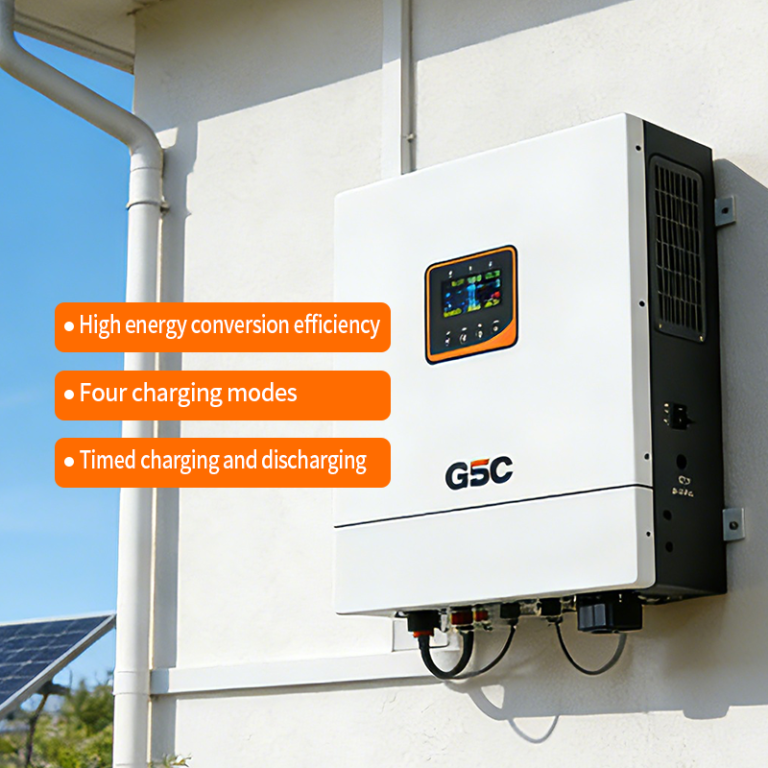
Comparative snapshot: Why string topology changes the game
Comparing inverter architectures quickly reveals that how you wire the PV array matters as much as the power electronics inside. A thoughtful string topology raises array voltage, shrinks DC bus currents, and reduces losses — which is why a modern solar hybrid inverter with modular string intelligence often outperforms older monolithic designs. This is a comparative insight: higher-voltage strings can lower copper use and improve MPPT responsiveness while keeping battery management simpler at the same pack voltage.
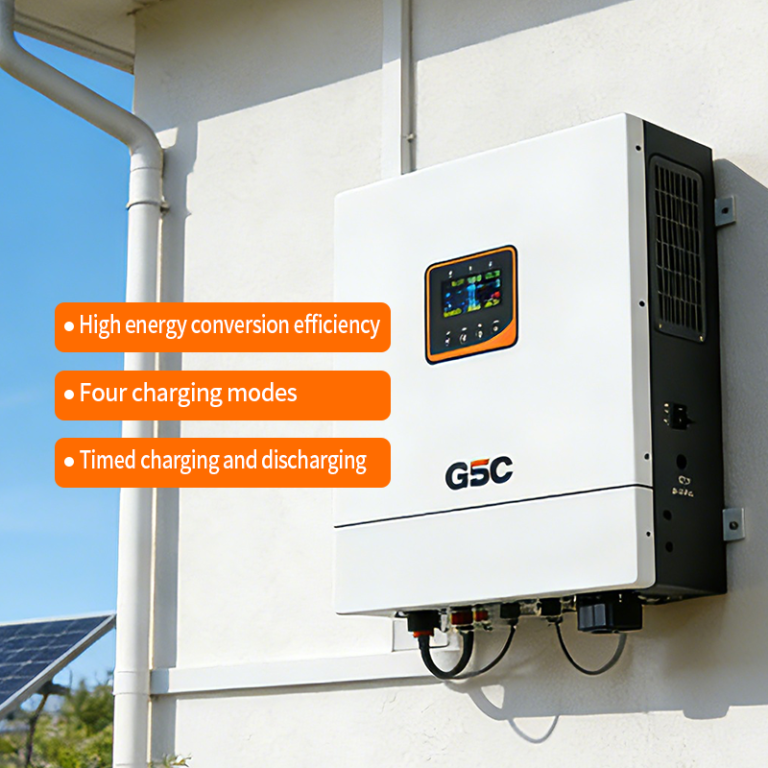
Design trade-offs: modular versus centralized
Modular string converters let you segment the array, giving each string its own MPPT and fault isolation. Centralized inverters keep control simple but force the whole system to react to a single weak string. The trade-offs are clear: modular topologies offer better partial-shade behavior and selective islanding, while centralized layouts can be cheaper up front. For someone choosing an inverter solar hybrid, the decision comes down to site variability, expected shading, and whether higher initial spend is justified by lifetime gains.
Performance metrics that matter
When sizing or comparing systems, prioritize numbers that reflect real operation, not just peak power. Track these:
– Energy yield per year (kWh/kWp) — real yield beats nameplate in value.
– DC bus current and thermal headroom — higher voltage reduces current, which reduces losses and stress on components.
– MPPT tracking speed and efficacy — faster, per-string MPPT recovers mismatched conditions quickly.
Common pitfalls installers and designers still make
People often optimize for lowest cost per watt and then discover system behavior that costs more in maintenance. Typical mistakes: undersizing the DC cabling for higher-voltage strings, ignoring surge protection at combiner points, and assuming a single MPPT will always be fine. Remember to match string length to module Voc at low temperatures — don’t overreach the inverter’s max input. And double-check grounding schemes to preserve safe islanding and grid-tied stability — small oversights become big repairs.
Real-world anchor: lessons from Germany’s rooftop rollout
Germany’s decentralized rooftop expansion during the Energiewende showed how modular designs win operationally. Installers who moved to segmented string topologies saw fewer downtime events after partial shading and easier scaling when homeowners added storage. Grid constraints in urban neighborhoods also favored higher-voltage arrays because they reduced feeder losses. Those field results underline one point: topology choices translate directly into serviceability and long-term cost.
Evaluation checklist before you buy
Use this quick checklist to compare options on equal footing:
– Max input voltage and recommended string length.
– Number of MPPT channels and per-MPPT monitoring.
– Built-in battery management compatibility and charge strategies.

Don’t skimp on inspection: cabinet ventilation, surge protection, and accessible combiner boxes are practical details that determine uptime — they’re worth a few extra dollars now.
Advisory close: three golden rules for selection
Rule 1: Match topology to site variability — choose per-string MPPT when shading or mixed orientations exist. Rule 2: Prioritize electrical stress metrics — lower DC bus current and better thermal margin mean fewer replacements. Rule 3: Verify integration with battery management systems and grid-tied behavior; seamless control beats add-ons later. These three metrics cut through specs and show what you’ll actually own.
For projects that need clarity, reliability, and easy scaling, the practical value becomes clear — and that’s where proven manufacturers deliver consistent results, like the systems developed by gsopower. – engineered clarity.