Introduction — A Question That Keeps Me Awake
Have you ever stood in a broiler house and wondered why the birds look restless, despite bright lights overhead? I see broiler lighting every day, and I feel this: the lights should help, not harm. Recent studies show up to a 10–12% swing in feed conversion when light is poorly matched to bird needs (small farms and big operations both suffer). So — why are we still using blunt tools for such a delicate system?
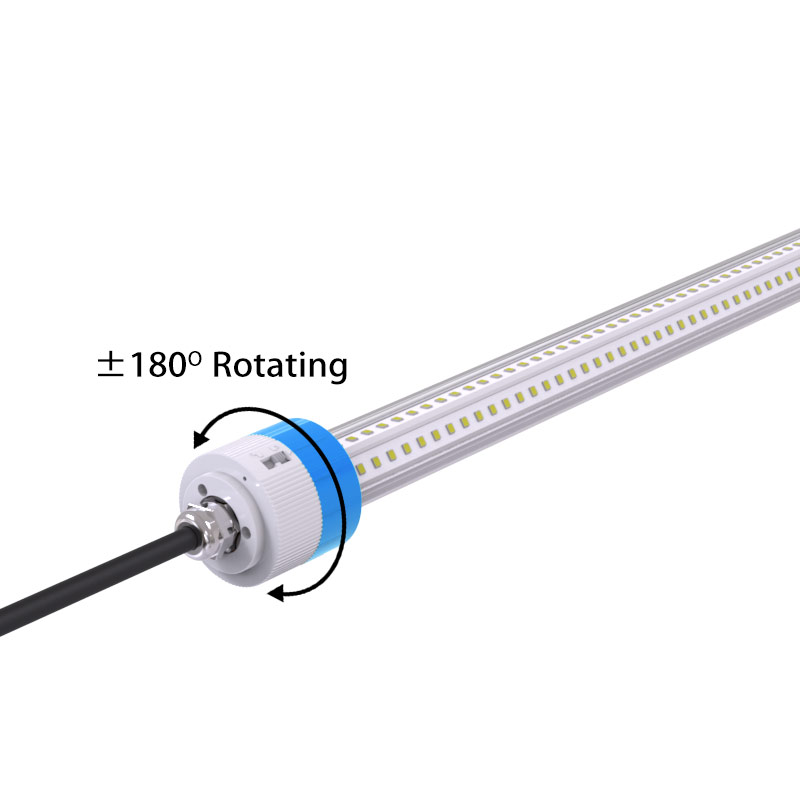
I’ll be honest: I get frustrated. We tinker with pen design, tweak feed, and yet the lighting plan often ends up an afterthought. That’s where the drama starts — low spectral output, erratic dimming, and poor photoperiod control create stress in flocks. I’m going to walk you through what I’ve learned, what’s failing, and what actually works. Let’s peel back the curtain and move to the root problems.
Why Traditional broiler chicken lighting programs Fail (A Technical Look)
I want to start with a clear line: broiler chicken lighting programs are often designed by habit, not by data. In my experience, systems rely on fixed wattage bulbs or one-size-fits-all timers. That means photoperiods don’t match growth stages, spectral output is off, and dimming controllers are crude. The result? Birds show uneven growth, higher mortality in some sheds, and stressed behavior. Look, it’s simpler than you think: wrong light = wrong cues for birds.
Technically, many farms still use legacy power converters and old timers that can’t support gradual dimming or scene control. That creates flicker or abrupt changes in lux levels, which triggers pecking and restlessness. Then there’s the mismatch between light intensity and direction. I’ve seen farms where edge areas are twice as bright as center rows because fixtures weren’t mapped — basic planning failure. Photoperiod mismanagement also confuses circadian rhythms. We need better sensors, smarter dimming, and integration with climate systems (yes, humidity ties in). — funny how that works, right?
What exactly goes wrong?
Well, here’s a short list from my visits: inconsistent spectral mix, coarse timers, lack of monitoring, and hard-to-service fixtures. Add in occasional voltage drops from poor power converters and you have a recipe for wasted feed and lost uniformity. I’ve judged dozens of systems. Most are salvageable, but only if you first admit the lighting plan was an afterthought.
New Technology Principles for Better Broiler Lighting — Practical Steps
Moving forward, I prefer to think in principles rather than gadgets. First: control the bird’s experience, not just the bulb. That means variable spectral output, smooth dimming curves, and photoperiods tuned to growth phases. Modern LED systems can shift from warm to cool light to mimic dawn and dusk cues. When I specify systems now, I look for color-tunable drivers, reliable dimming controllers, and fixtures that work with edge computing nodes for local decision-making. These principles keep birds calm and eating steadily.
Second: measure and adapt. Install lux and spectral sensors, link them to your farm management software, and let the system log data. I’ve seen farms cut feed waste by tracking light levels and adjusting in real time. Third: plan for serviceability. Choose fixtures where you can swap power converters quickly, and where wiring is modular. These choices reduce downtime and keep the flock stable. Real-world impact matters — we want happier birds and predictable gains. Well, yes. That’s the point.
What’s Next — How to Choose a System
Before you buy, think like this: can the system tune spectrum? Does it log light data? Is it easy to maintain? Try a pilot shed first. A small test run reveals a lot — and it’s cheaper than a full retrofit that misses the mark. I’ve helped run several pilots; the lessons are simple but powerful: measure, adjust, repeat. — and do it fast before habits lock in again.
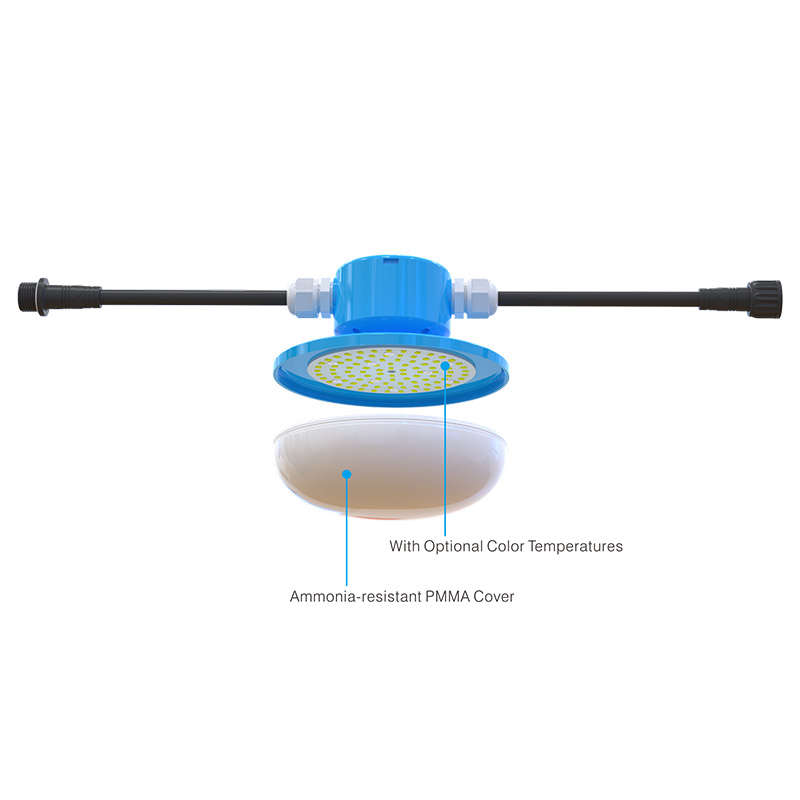
Closing Advice — Metrics to Guide Your Decisions
I’ll leave you with three concrete metrics I use when evaluating lighting upgrades. First: uniformity ratio (center vs. edge lux) — aim under 1.5. Second: spectral match score — compare fixture spectrum to an agreed standard for broiler welfare across growth stages. Third: control responsiveness — how quickly can the system change spectrum or dim level under automated schedules or sensor triggers. These give you a real sense of system performance, beyond marketing claims.
We’ve talked about pain points, technical fixes, and practical steps. I feel strongly that lighting should be proactive, not reactive. If you take one thing from this: invest in controls and sensors early. You’ll save time and improve flock outcomes. For tools and supplies, I often look to solutions that balance durability with serviceability — and yes, I recommend checking suppliers who back their products with real field data. For more resources and products, visit szAMB. I’m here if you want to talk specifics — I’ve got a few favorite setups and some cautionary tales.