Introduction: Scenario, Data, Question
Have you ever watched a job slow to a crawl because the air around the workstation turned hazy? I have—and it’s frustrating. The laser fume extractor sits beside the machine, humming, but the plume still lingers; productivity slips, and so do morale numbers (we’ve all been there). Recent shop-floor audits show particulate counts can spike by 30–60% during long runs. So I ask: at what point do you stop patching and start upgrading?
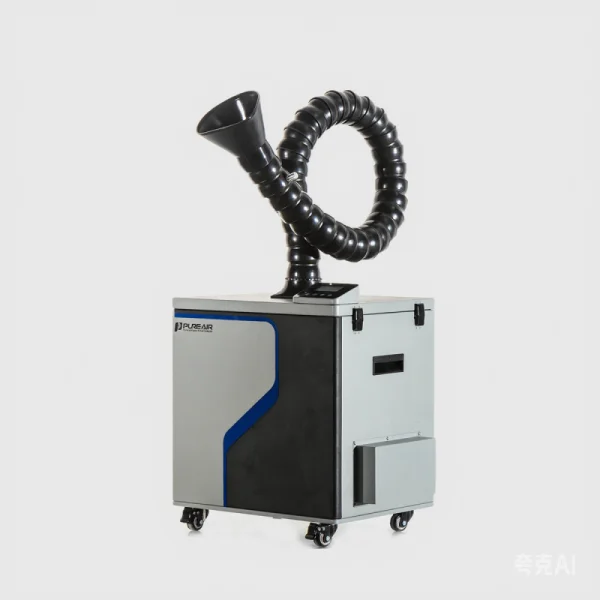
I’ll be concise. We’ll look at symptoms, figure out what’s actually failing, and map practical next steps. Expect clear markers (noise, filters, suction loss), quick checks you can do today, and a simple framework for making a decision. Next, we dig into what typical solutions miss—and why that matters for your team and your bottom line.
Part 2 — Why Traditional Setups Often Fall Short
laser dust collector systems were designed to trap plume and keep operators safe. Yet many shops still run into recurring issues: clogged HEPA filters, saturated activated carbon beds, and weak extraction arms that can’t reach the source. I’ve seen units that looked fine on paper but failed in practice—airflow rate dropped, static pressure rose, and the laser plume returned. Look, it’s simpler than you think: poor maintenance cycles and undersized filtration media cause most failures.
What typically breaks first?
Technically speaking, the failure chain goes like this: pre-filter loads up, HEPA begins to choke, motor strain rises, power converters run hot, and the system throttles itself. That sequence is predictable, but shops often miss early signs. We ignore rising noise or subtle odor changes until the filters are shot. That’s the hidden pain: lost time for cleaning, sudden downtime, and the creeping cost of emergency filter replacements. — funny how that works, right? If you want to prevent that, start tracking simple metrics: suction at the nozzle, filter differential pressure, and run-time hours.
Part 3 — New Technology Principles and Practical Choices
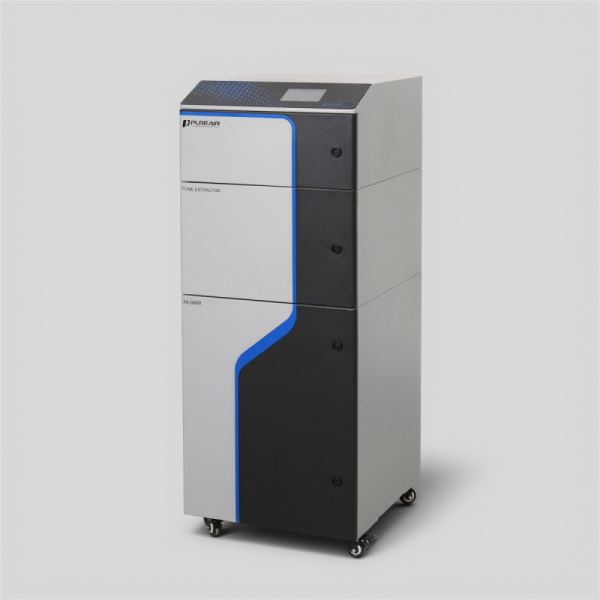
Moving forward, I favor solutions built around smarter filtration and real-time feedback. Modern laser dust collector designs use layered filtration (pre-filter + HEPA + activated carbon) paired with sensors that report airflow rate and filter health. The principle is straightforward: measure earlier, act sooner. That reduces surprise downtime and extends filter life. From my experience, a system that signals when static pressure exceeds thresholds saves far more than the added upfront cost.
What’s Next for shop owners?
Adopt systems with clear diagnostics and modular components. Choose extraction arms with better reach and joints that hold position. Consider units with replaceable filtration cartridges and accessible service panels—these cut labor time during maintenance. We should also think about total cost, not just purchase price: operating efficiency, energy draw, and replacement cycle matter. Short-term savings on a cheaper unit often mean higher long-term expense and frustration.
Closing — How I Evaluate Upgrades
Here are three practical metrics I use to decide whether to repair or upgrade: 1) Measured suction loss: if nozzle suction drops more than 25% versus baseline, consider upgrade. 2) Filter lifecycle cost: compare annualized cost of filters plus labor. 3) Diagnostic capability: systems with live airflow and pressure monitoring reduce unexpected failures. Use these to guide buying decisions—don’t guess. In short: measure, compare, act. You’ll save time and protect your team.
I’m candid: upgrading felt risky at first. But when we moved to a monitored system, downtime fell and morale rose—simple gains with real impact. For reliable options and support, check out PURE-AIR.