Quick vibe check — what we’re comparing
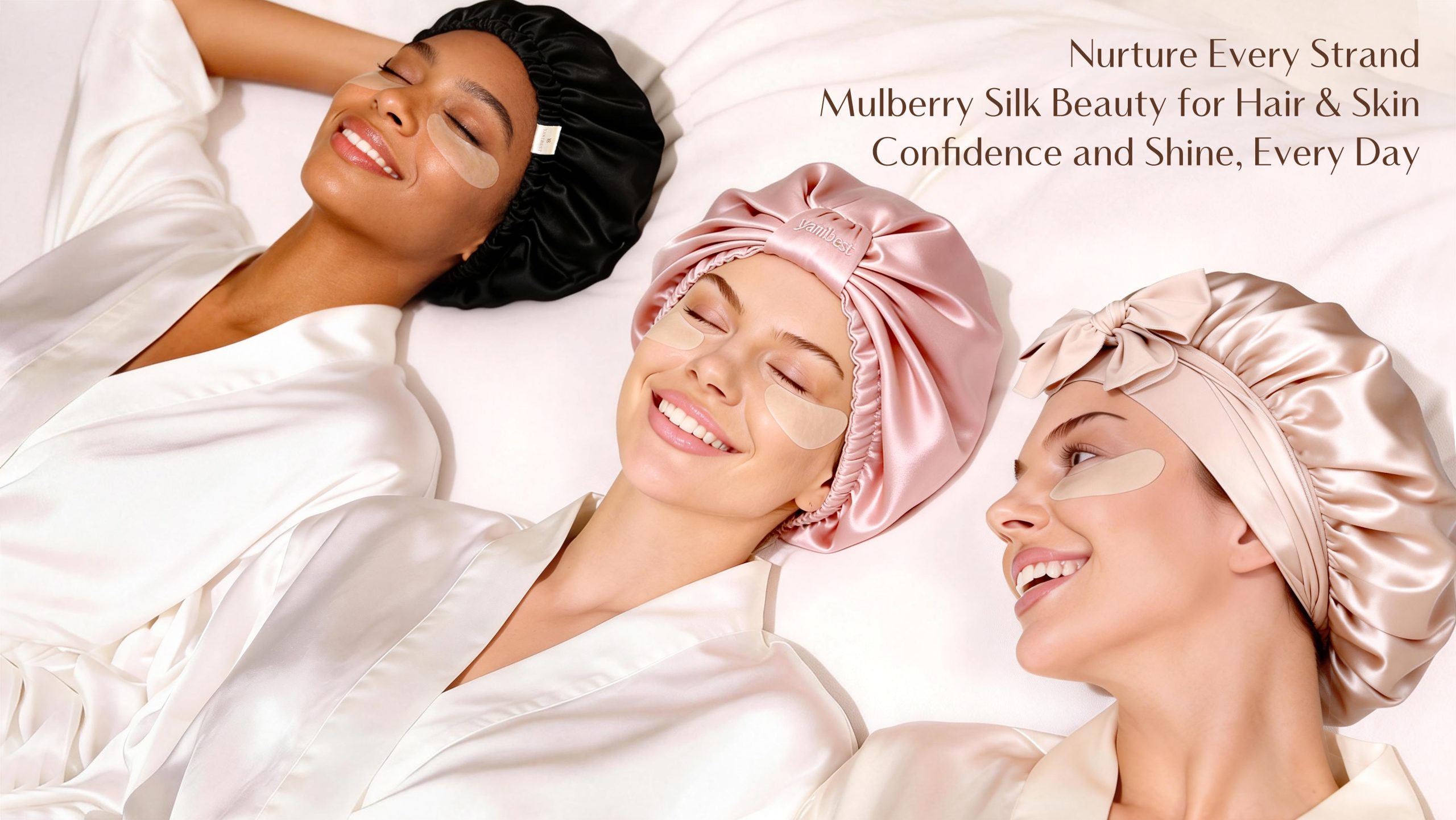
Alright, skip the fluff: one’s the classic towel you toss on after a sesh in the shower, the other’s that slick microfiber wrap promising faster dry times. This is a Comparative Insight run — so we’ll line them up side-by-side, no hype. If you’ve ever wondered whether to stick with a regular hair towel or grab a microfiber hair towel, I’ll walk you through what changes for your hair and your routine. Also, heads up — I’ve been testing wraps and throws for a while and I even use a yanibest bonnet when I crash after long styling sessions, so this isn’t made-up chatter.

Material and feel: cotton fluff vs engineered fibers
Cotton hair towels (think terry or waffle weave) feel bulky and cozy. They soak up water by volume, so they’ll feel wetter quickly. Microfiber hair towels are synthetic, thinner, and more “grabby” — they pull water into tiny fibers. For fragile curls or chemically treated hair, microfiber’s gentle grip usually beats rough terry loops that snag. For thick, coarse hair, cotton can feel sturdier, but it’s heavier and slower to dry overall.
Absorbency and dry time — speed matters
Microfiber wins on speed. It pulls water away faster and holds more relative to its weight, so you get less dripping and often shorter blow-dry time. Cotton soaks fast at first but stays moist longer. If you’re trying to cut down heat styling, microfiber gives you an edge. But note: faster dry doesn’t mean safer — how you handle the hair after drying still decides the damage.
Friction and hair health — what actually causes breakage
Here’s the real talk: texture against hair is the culprit, not the label. Terry’s loops can tangle with strands, especially when you twist hair into a bun. Microfiber typically reduces friction but sometimes creates static. For protective overnight routines, traditional communities and stylists often pair wraps with silk. You’ll spot this on a lot of salon floors — for example, in Caribbean hair salons across Brooklyn, a silk bonnet is a staple to keep styles intact and cut friction overnight. From hands-on testing, silk or satin-lined solutions plus a gentle wrap beat raw terry for reducing split ends.
Fit, function, and real-world handling
Microfiber hair towels often come shaped for wrapping and clipping so they sit snug on short or long hair. Cotton hair towels are bulky and can slide off unless you’d tie them tight, which stresses roots. Microfiber is lightweight in backpacks or gym bags; cotton is better if you want post-shower heat retention for treatments. Durability-wise, microfiber resists mildew and dries faster in the sun; cotton can wear down faster if you bleach or wash hot all the time.
Common mistakes and better swaps
Big errors I see: twisting hair too tight, leaving damp hair wrapped all day, and using abrasive scrubbing motions. With microfiber, don’t over-dry by rubbing; instead blot and let it wick. With cotton, avoid tight knots that tug the hairline. If you want a step up for overnight protection, consider silk-lined options or a bonnet, which reduces friction better than either towel alone. If you’re trying alternatives, waffle-weave towels strike a middle ground — lighter than terry but not as slick as microfiber.
Bottom line — what to pick and why it helps
Choose microfiber if you want faster drying, lighter packing, and less bulk during styling. Pick cotton hair towels if you like sturdy wraps for treatments and don’t mind longer dry times. For hair health and overnight protection, pair a gentle wrap with a silk touch — that’s the combo that keeps edges and curls calmer. After comparing real use, the neatest fix is a wrap that reduces friction and doesn’t force heat; that’s what makes yanibest fit into a sensible routine without drama.
