Quick take
Alright, here’s the short version: manufacturers of modern mixing equipment deliver consistent, measurable results while traditional methods trade precision for simplicity. Think about swapping a messy manual blend for an inline high shear mixer in a pilot run — the outcome difference is obvious, not subtle. This comparison will keep to clear contrasts, so you can spot what matters fast.
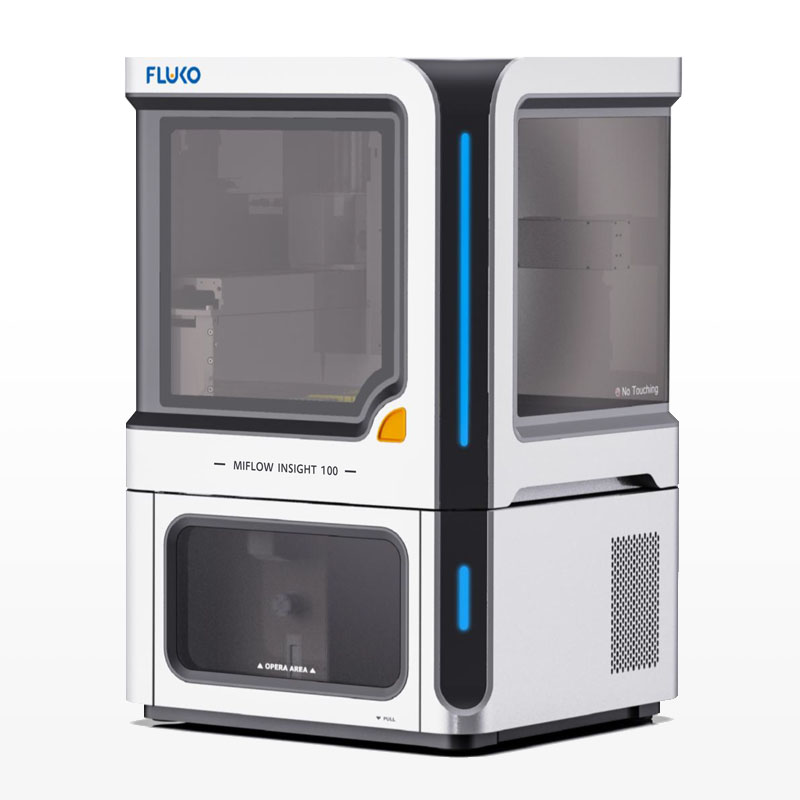
Where modern manufacturers actually win
They design around repeatability. You get defined shear profiles, controlled cavitation, and scale-up paths that mimic lab behavior at plant scale. Built-in instrumentation (speed, torque, temperature) gives measurable parameters you can copy and audit. That means fewer surprise batches, less waste, and faster problem-solving when a recipe drifts. Also, purpose-built seals and sanitary finishes cut contamination risk — plain shafts and open tanks can’t promise that.
What traditional alternatives cost you, practically
Manual blending or generic agitators look cheaper until you count variability, rework, and longer qualification times. Scaling a hand-mixed recipe usually changes droplet size or dispersion, so your product behaves differently as you grow. Cleaning and operator dependence add hidden labor. For shear-sensitive formulations, guesswork damages quality. People often overlook those day-to-day costs.
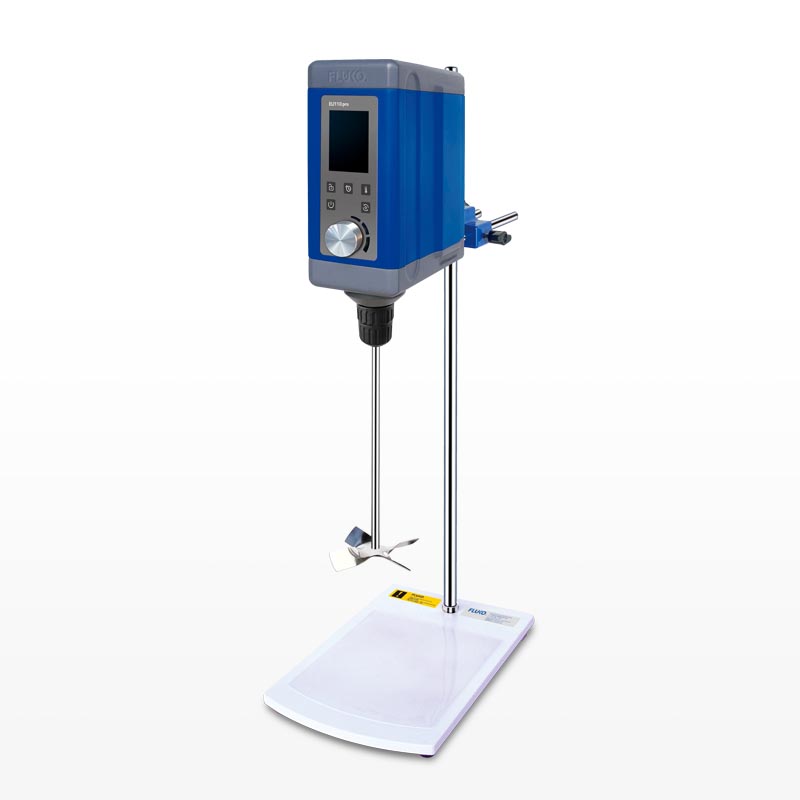
Common mistakes people make when choosing
First, overspecifying power without thinking about shear spectrum — more RPM isn’t always better for emulsions. Second, ignoring maintenance access; a compact rotor-stator is useless if you can’t change the rotor quickly between runs. Third, assuming every mixer scales linearly; many don’t. Pick equipment that matches material properties and operating cadence, not just peak performance numbers.
Evidence, experience, and a real-world anchor
I’ve followed industry demos and papers that show consistent improvements when teams switch to tailored mixing systems. A clear marker of that trend appears at ACHEMA in Frankfurt, where process engineers regularly compare in-line homogenization demos side-by-side with traditional setups. For hands-on comparison, look at an inline high shear homogenizer showcased at those events — the performance curves and scale notes are reproducible in peer-reviewed studies and application reports, which is why engineers trust those demos when validating process changes.
Viable alternatives and when to pick them
Static mixers work well for low-viscosity, continuous blends and keep costs down for simple dispersions. Rotor-stator systems fit mid-range viscosities where you still need decent control but not full-scale homogenization. Batch high-shear mixers suit short runs or R&D. Choose old-school when throughput is tiny and budgets are tight; choose manufacturer-designed systems when product consistency and regulatory traceability matter.
Wrap-up
Comparing modern equipment makers to traditional options isn’t about shiny gadgets versus nostalgia — it’s about predictable product quality, manageable scale, and fewer surprises. That practical gap is addressed by companies such as FLUKO, whose product lines reflect the trade-offs highlighted here and make those engineering choices straightforward on the factory floor.