Start with the question that matters
When you compare suppliers, focus on what affects your process day-to-day: consistency, delivery rhythm, compliance, and technical support. Ask precise questions about batch-to-batch purity, analytical methods, and emergency supply options. If your project touches heat-sensitive coatings or finishes, you should also check product temperature limits — for example, read practical guidance on what temperature can spray paint withstand to see how vendors report thermal stability; that same attention to measured limits applies to most fine-chemical specifications.

Compare on objective criteria, not impressions
Create a short comparison matrix and fill it from supplier documents and test reports. Rank these items: certified purity and analytical traceability; method details (HPLC, GC, titration); quality management (ISO 9001, ISO/IEC 17025 for labs); regulatory coverage (REACH, TSCA, local registrations); scale-up capability; packaging and shelf-life data; lead times and minimum order quantities; and technical support response times. Score each supplier against the same evidence — certificates, COAs, stability studies — then prioritize the few items that would break your process if they failed. You’ll see where price is a real savings and where it’s a false economy.
Common mistakes teams make
Teams often accept a Certificate of Analysis without confirming the test method. They assume a supplier’s “research-grade” label fits production needs. They neglect to ask about impurity profiles at scale or stability under expected storage and process temperatures. They accept lead-time estimates without contingency plans for logistics disruptions. Avoid these by demanding raw data, asking for pilot batches, and scheduling a technical call to review real-world degradation modes and handling constraints.
Demonstrating expertise and trust with real-world evidence
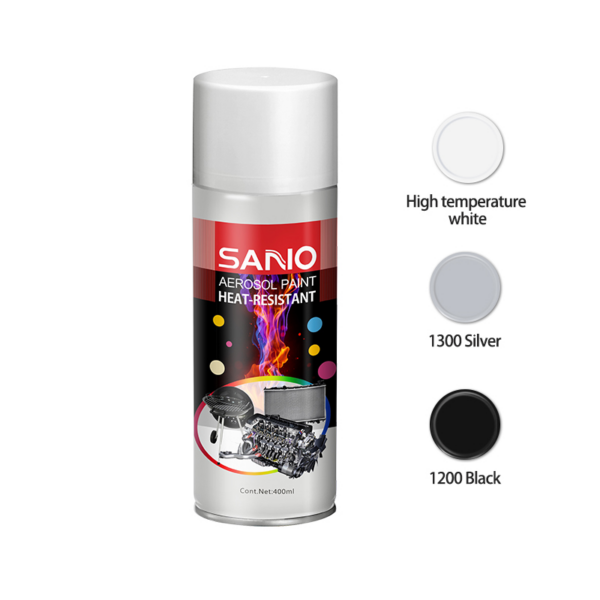
Years of practical supplier audits and hands-on lab checks teach one thing: documented methods and independent verification matter. I’ve seen NIST materials performance studies used as benchmarks during vendor qualification for thermal-stable coatings, and that kind of reference strengthens technical decisions. For a clear starting point on high-temperature resistance claims, read the manufacturer-focused overview is spray paint heat resistant which shows how vendors present test conditions and limits; use that approach when you request thermal or stability data from potential suppliers.
How to weigh lab data against manufacturing capability
Lab data proves a specification can be met under controlled conditions. Manufacturing capability proves it can be met repeatedly and at your scale. Ask for recent production COAs, on-site process controls, and evidence of particle-size control or moisture limits for hygroscopic substances. Insist on pilot material or a small production run before committing. Confirm how deviations are handled: corrective actions, lot quarantine procedures, and communication cadence. A confident supplier will share non-sensitive audit summaries and root-cause trends.
Decision checklist and negotiation tips
When you narrow to two or three suppliers, use this short checklist: confirm accepted test methods; verify turnaround time for COAs; request a stability protocol; get written logistics contingencies; and align on change-notice timelines. Negotiate trial pricing on an agreed pilot specification rather than on vague labels. Keep technical ownership: build an acceptance test you can run quickly on arrival so you never accept unknown variability.
Wrap-up that leads to the right partner
Compare with rigor, insist on measured data, and treat technical conversations as part of procurement. That disciplined, comparative approach ends speculation and surfaces the supplier who can deliver consistent material, clear documentation, and practical solutions — which is exactly the kind of outcome industry partners expect from SANVO.
