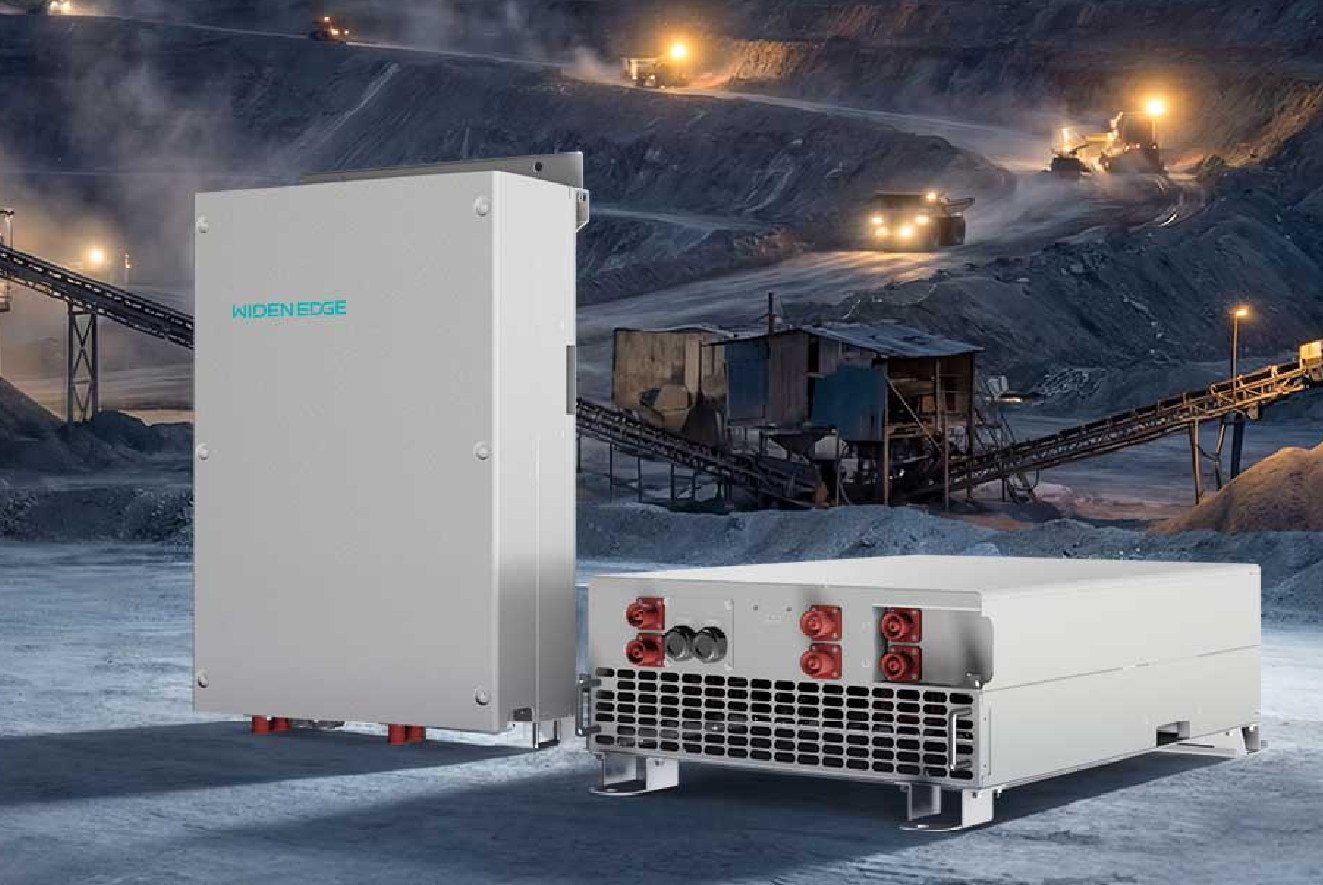
Opening: A problem sets the stage
The sun dies, the wind quiets, and a remote station waits—this is the daily test that shapes every decision. For planners who must keep sensors, camps, or critical infrastructure humming, the question is not romantic but ruthless: how to store steadiness where the grid does not reach. Consider practical options like commercial battery backup systems as one axis of the answer, and then weigh how each option answers the daily failures you expect.
Defining the problem plainly
Remote-site power planning is a list of precise failures you will try to prevent: abrupt renewable drop-offs, long stretches without resupply, extreme temperatures, and the impossibility of frequent maintenance. Each failure demands a focused capability from an energy store: hold enough energy, release it predictably, survive harsh climates, and require little human touch. When those needs are unmet, devices shut down, data gaps form, and costs rise.
What goes wrong most often — and why
Years specifying systems for field telecom and research installations taught one clear lesson: the same handful of mistakes repeat. Avoid these common pitfalls.
– Undersizing capacity for worst-case multi-day autonomy. – Choosing a chemistry without thermal tolerance for local extremes. – Overlooking battery management and system communications. – Assuming a perfect forecast for renewable production. – Ignoring transport and local regulatory constraints.
How to match problem to solution — step-by-step
Match each failure mode with a technical attribute. Be concrete: if extended cloudy periods are realistic, prioritize usable energy (usable kWh) over peak power. If temperatures dip below −20°C, prioritize thermal management and chemistries rated for those lows.
Key decision points:
– Usable capacity vs. nameplate capacity: size for usable energy after depth-of-discharge limits. – Power rating: ensure the inverter or DC output can handle startup currents. – Cycle life and warranty: pick what you can rely on for maintenance intervals you can actually meet. – Chemistry suitability: lithium iron phosphate (LiFePO4) for many remote roles; lead-acid only when weight, cost, and maintenance align. – Controls and telemetry: remote diagnostics reduce truck rolls and missed faults.
Comparing technologies with directness
Think of the main options as tools, not promises.
– Lithium-based batteries: high usable energy, long cycles, low maintenance; need competent BMS and thermal design. – Valve-regulated lead-acid (VRLA): lower upfront cost, heavier, shorter cycle life, more maintenance risk. – Flow batteries: good for long-duration discharge in some cases, but logistically complex for remote sites. – Mechanical or hydrogen storages: niche fits where fuel logistics or extreme longevity matter.
Integration with grid-stabilizing goals
Sometimes off-grid planners must also consider how on-site storage behaves when the nearby grid is weak or intermittent. Designing for smooth responses, frequency support, or intentional islanding changes control logic, so select systems built for those roles. Proven examples such as the Hornsdale Power Reserve in South Australia illustrate how large-scale batteries contribute to frequency and stability services; translate that lesson to smaller sites by insisting on fast, deterministic control and tested inverter firmware. Where that behavior matters, look for suppliers that advertise expertise in grid‑stabilizing energy storage systems and can demonstrate field tuning experience.
Operational practices that prevent failures
Hardware is only half the solution. Create a disciplined operational plan:
– Build a realistic autonomy target (days of storage) based on the worst historic weather. – Establish telemetry alarms and automated safe-shutdown behavior. – Schedule preventive checks aligned with access windows. – Include spare parts that match the system’s critical components.
Cost trade-offs, plainly stated
Paying more for a robust chemistry and smarter controls often saves money by avoiding emergency visits. Evaluate total cost of ownership: purchase + transport + maintenance + expected replacements. A slightly higher capital cost for long-life batteries and reliable BMS tends to lower lifetime logistics and downtime costs at remote sites.
Common design mistakes and how to avoid them
Repeatable errors break projects. Fix these early:
– Mistaking nameplate kWh for usable energy — always model depth-of-discharge. – Specifying without environmental testing — demand data for the actual temperature range. – Skipping firmware updates — commit to a plan for remote updates or secure local access. – Failing to simulate worst-case sequences — run multi-day renewable shortfall scenarios.
Quick checklist for a resilient system
Before signing a purchase order, confirm:
– Usable kWh matches required autonomy. – Power electronics sized for peak and inrush. – BMS supports remote telemetry and firmware updates. – Thermal management is rated for site extremes. – Logistics plan exists for installation and emergency response.
Closing: a decisive image and practical resolution
Decisions at remote sites are small acts of stewardship—each choice either extends life and data flow or invites failure. Choose systems that answer the specific failures you expect, insist on tested control behavior, and budget for sensible maintenance. The right combination turns intermittency into predictability; when that technical cadence matters, seasoned planners lean on proven partners and solutions, and on companies that understand both field realities and system tuning—companies like WidenEdge that blend practical engineering with field-proven deployments.
