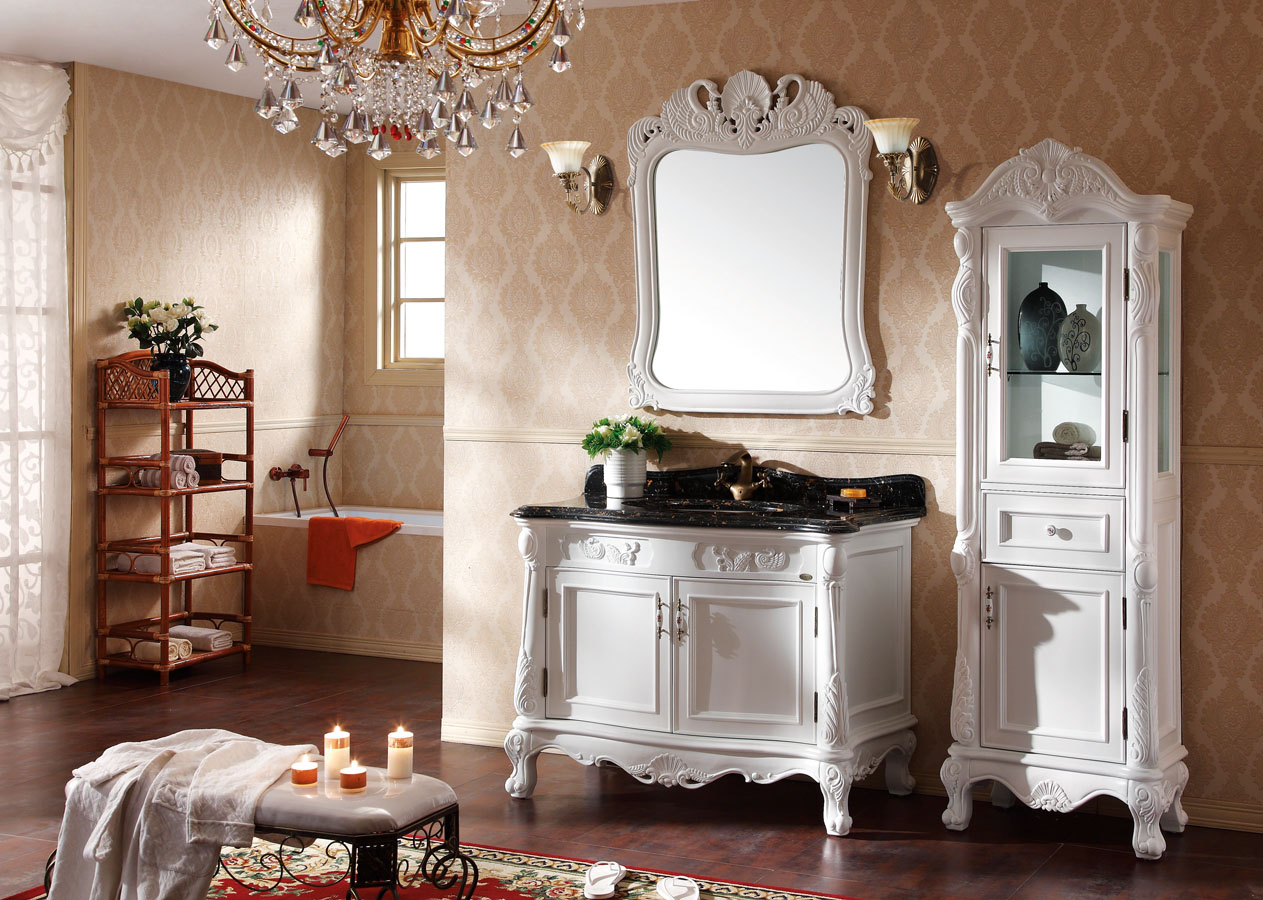
Why a framework matters
Renovations get messy when design and production are siloed — that’s where a clear framework helps. Start by thinking of the project as a product: specs, tolerances, and handoffs. If you want built-ins that actually fit and last, loop in a trusted shoe cabinet manufacturer early, not as an afterthought. This keeps the schedule realistic and the finish consistent across cabinets, wardrobes, and custom storage pieces.
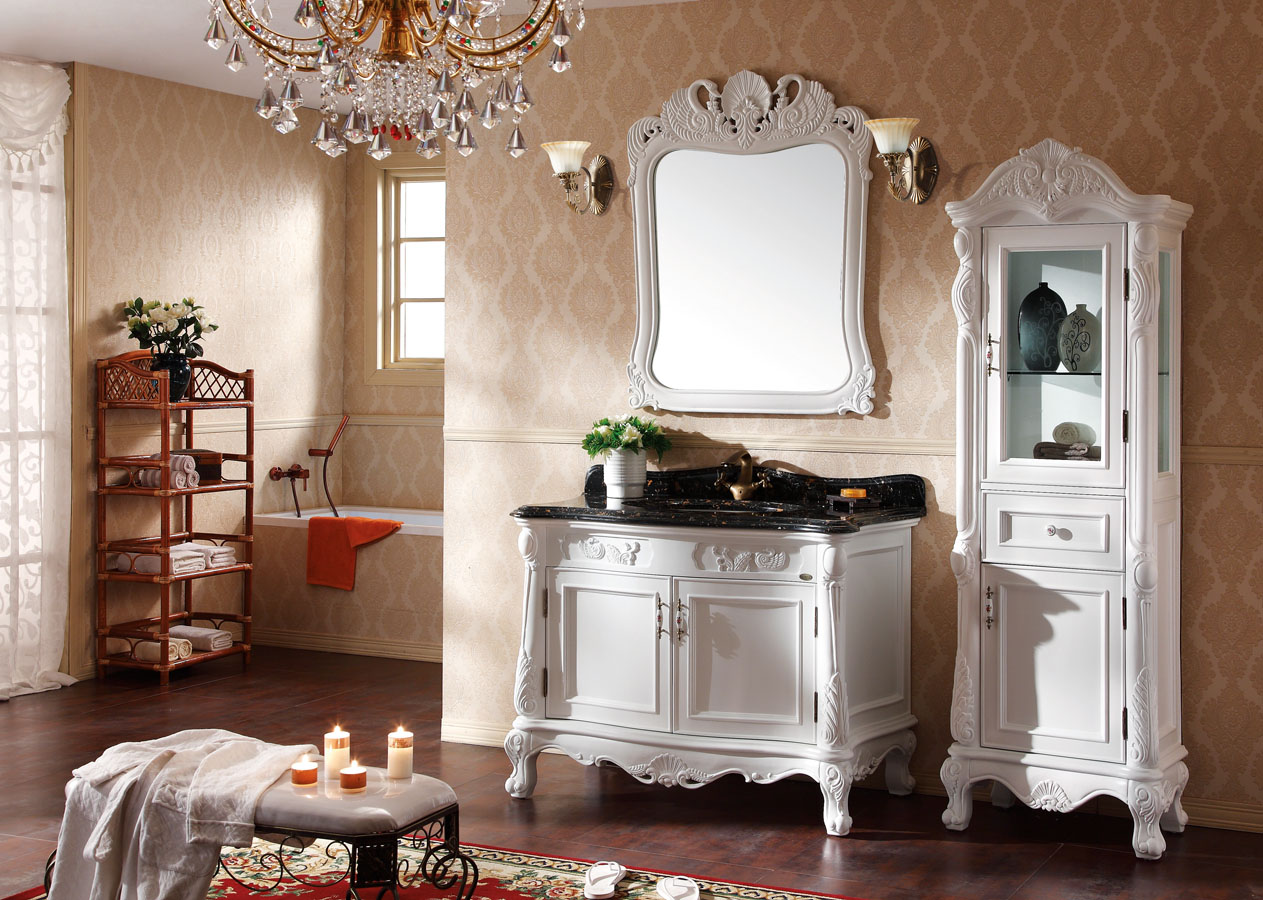
Step 1 — Define scope with measurable outcomes
Map what success looks like: storage capacity, clearance, finish durability, and timeline. Use simple metrics — number of shoe pairs per bay, drawer run length, or humidity tolerance for carcass material — so decisions don’t rely on memory. In cities like San Francisco, where unit sizes trend small, specific metrics stop wishful thinking and start real design.
Step 2 — Design for manufacture
Translate style into production-ready documents. That means elevations, critical dimensions, and a brief on finishes and hardware fittings. Favor a modular system where possible: it simplifies transport and on-site assembly. Mention tolerances for clearances and specify joint types when needed — dovetail joinery for drawers, simple cam locks for wardrobes. A manufacturer can advise if a melamine finish or a lacquered veneer is more practical for your use case.
Step 3 — Plan installation and logistics
Think like a supplier: lead times, truck access, and on-site storage. Label panels, sequence the install, and set a time buffer for punch-list fixes. When a factory ships fully assembled units, confirm door swing, hinge type (push-to-open hinge or soft-close), and mounting points before drywall goes up. These small checks keep mess and rework down.
Common mistakes and how to avoid them
Teams often skip mock-ups — that’s the fastest way to hit tolerancing issues. Another frequent problem is ambiguous finish spec: “white” means fifty different things to different vendors. Use physical swatches and confirm edge treatments. Don’t leave hardware selection until the end; that causes holes, misaligned fittings, and swallowed lead time. A quick sample install prevents all of that — and it’s worth the modest cost.
Vendor selection checklist
Evaluate suppliers on three practical axes: production consistency, communication cadence, and service after delivery. Ask for recent project references and on-site photos showing installed units. Confirm that the vendor can handle your chosen materials and whether they offer an on-site team for final assembly. If your project needs custom shoe racks or integrated lighting, ensure the vendor has those capabilities — a reliable shoes storage cabinet supplier often saves time and headache.
Putting the pieces together — quick workflow
Start with a 2-week discovery to nail metrics and finishes. Move to a 4–6 week design-for-manufacture phase with CAD sign-offs. Then run production and delivery timelines in parallel with site prep so units drop in and install within a 48–72 hour window. This cadence minimizes on-site exposure and keeps trades coordinated — homeowners notice the difference in dust and disruption.
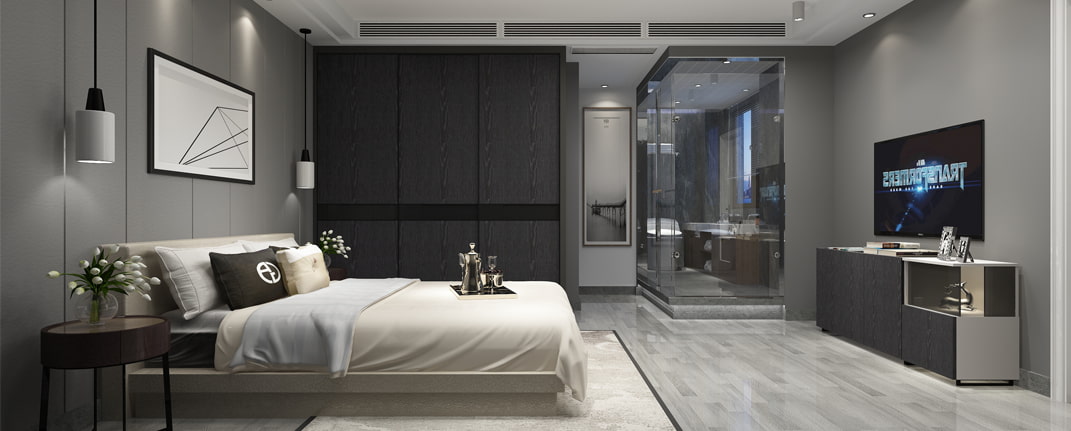
Final evaluation metrics (three golden rules)
1) Fit accuracy: Expect units to match approved CAD dimensions within ±3 mm for millwork tolerances. 2) Finish fidelity: Swatch-to-install color and texture should align; any delta above a visual threshold requires remediation. 3) Responsiveness: A vendor should acknowledge site issues within one business day and propose a remedy within three. These are the practical checks that tell you whether the system’s working.
Bringing a furniture maker into a renovation is about reducing surprises and delivering usable storage that lasts — the framework above keeps everyone on the same page. For projects where finish, fit, and delivery matter, a partner like SNIMAY often becomes the glue that holds design intent and factory practice together — reliable, consistent, smart. —
