Introduction — a question to start
Have you ever watched a shop floor change in a week and wondered which machine will still be useful next month? I ask because I’ve seen buyers chase specs that felt right yesterday but felt wrong the next day. CNC vertical machining center manufacturers are at the center of that churn; they promise precision, uptime, and adaptability, and we listen closely. Recent surveys show small shops shift supplier priorities from pure speed to overall flexibility and service (over 60% report changing priorities in two years). So what truly separates a machine that pays off from one that collects dust — and how should you judge suppliers now?
I’ll share what I’ve learned working with shops and engineers: real-world trade-offs, few solid metrics, and several myths that still steer bad buys. I’m speaking plainly — politely, because I know many of you are balancing budgets and deadlines. Let’s move on to what actually breaks down in practice and why that matters for the next purchase.
Technical look: hidden pain points with the small vertical machining center
What breaks first?
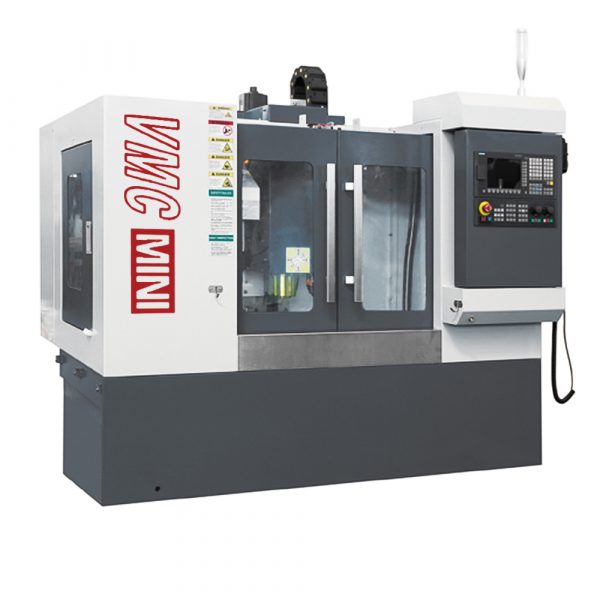
When customers pick a small vertical machining center, they often focus on spindle rpm and advertised accuracy. I’ve noticed deeper issues surface: thermal drift, imprecise tool offsets due to a weak CNC controller, and hurried integration of a cheap servo motor that can’t hold up under full feed rate. These are not glamorous failures. They will bite you after the first tight-tolerance run. Look, it’s simpler than you think — the parts that move (ball screw, linear guide) and the electronics that command them (CNC controller, power converters) set the real long-term cost.
From my experience, shops underestimate routine maintenance needs and the hidden complexity of multi-axis work. Tool changer jam? That’s not a mystery; often it’s misaligned axis travel from a rushed setup. Coolant system neglect? Expect corrosion and repeat rejects. I’ve seen this pattern across brands: nice spec sheets, shaky field service. — funny how that works, right? If you care about consistent output, insist on clear service plans and proven component sources before you sign any order.
Comparative outlook: future-ready choices and how suppliers stack up
What’s Next — practical criteria
Looking forward, I focus on how suppliers help you adapt, not just how fast the spindle spins. New approaches blend reliable mechanics with smarter diagnostics — edge monitoring, modular tool changers, and better thermal compensation. When I evaluate a cnc vertical milling machine supplier, I ask: can they deliver clear uptime data, do they support incremental upgrades, and is spare-part delivery predictable? These questions separate vendors who sell machines from those who build long-term partnerships.
Let me give you a short checklist I use. First, test the real-world cycle time with your parts, not their demo program. Second, confirm the CNC controller supports future features (ethernet connectivity, diagnostics). Third, verify service reach and spare parts turnaround — you don’t want a critical ball screw or coolant pump stuck in customs. These metrics matter more than one-off speed claims. (No kidding.)
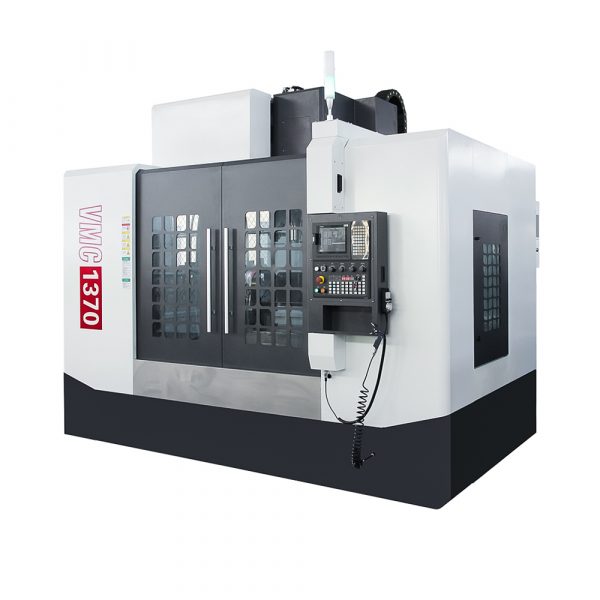
To close with practical advice — evaluate suppliers on three clear metrics: uptime percentage under your workload, mean time to repair with local service, and modularity (ease of upgrading spindle, tool changer, or controller). I prefer vendors who back their machines with transparent data and flexible options rather than glossy brochures. We’ve seen measurable gains when shops pick modular platforms: lower lifetime cost, faster changeovers, and fewer surprises. For those evaluating partners now, consider Leichman as an example of a brand focusing on practical modularity and support — Leichman.