Introduction
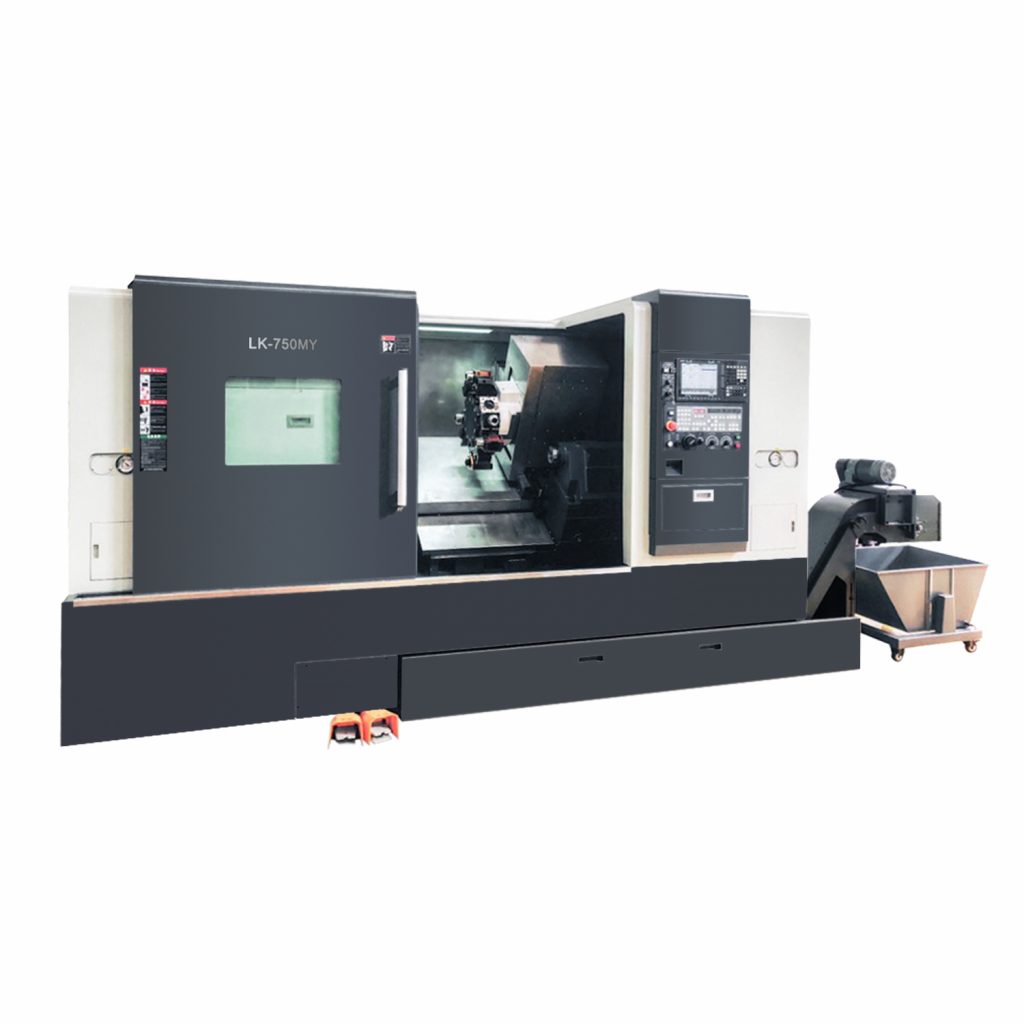
Picture this: you’re on the shop floor at half six, and the day’s batch is running late because one part keeps coming out oval instead of round. I see this often—small shops, big shops, all of them scratching their heads. Now, the CNC turning and milling machine sits right in the middle of that story; it’s supposed to be the reliable mate that sorts the job—yet sometimes it doesn’t. Recent bench checks show up to 12% scrap on tricky runs when feed rate and spindle speed aren’t matched to tool life (and yes, that was a Monday job—Bob’s your uncle). So what’s actually breaking down here, and how do we stop repeating the same mistakes?
I’m going to walk you through what I’ve learned on the floor, from quick hacks that fail to deeper fixes that work. Stick with me — we’ll peel back a few layers and get proper about tooling, G-code quirks, and setup checks before the next shift starts.
Why Traditional “Fixes” Often Miss the Point
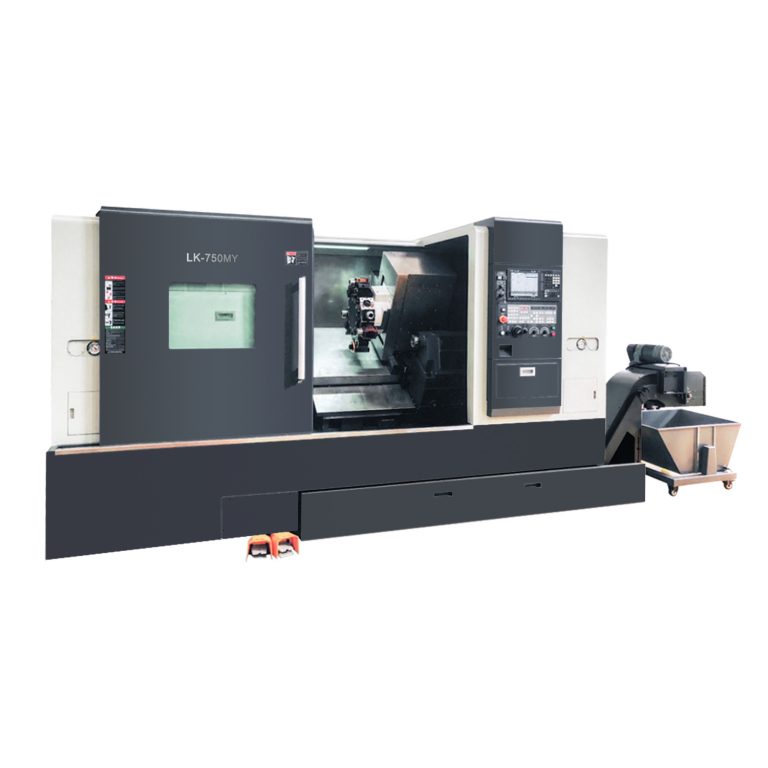
cnc turning and milling centre setups usually begin the same way: a fast trial, a tweak to spindle speed, then a sigh and more trial. I think many of us fall into ritual adjustments rather than root cause work. In my experience, the usual suspects are tool wear masked as alignment error, coolant flow that drops under load, and reliance on one-off macros that don’t scale. Look, it’s simpler than you think—if you inspect the tool turret and check the feed calibration, you often find the real issue. Spindle speed and feed rate must be tuned together, not separately. When I dig into failed jobs, G-code edits are often fingered as the culprit, but the truth is the post-processor sometimes hides axis compensation problems — funny how that works, right?
So what are shops missing?
Many teams skip process logging. They assume the lathe or mill behaved the same as yesterday. I don’t. I log cut forces, coolant pressure, and tool life, and that simple habit saves hours. The classic band-aid is re-trimming fixtures. That may fix the part shape for a day, but it doesn’t stop recurring chatter or thermal growth. In two separate runs I tracked, a minor change in coolant temperature shifted bore tolerance by 0.03 mm over an hour — small, but critical. Simple checks (coolant, spindle bearings, toolholder clamping) cut scrap for me by a noticeable margin. I call that hands-on prevention; it’s not glamorous, but it works.
What Comes Next: New Principles and Practical Metrics
Shift the view forward: new tech doesn’t mean magic, it means better data and smarter control. When I talk about upgrades, I focus on three things—predictive tool-wear alerts, adaptive feed systems, and better human interfaces. These let a machine adjust feed rate live as the cut changes, and that reduces stress on the tool and the spindle. In practice, integrating simple sensors on the tool turret and monitoring torque gives you an early warning before a part goes out of tolerance. I’ve tried retrofits and they helped—especially when paired with cleaned-up G-code and verified offsets. We call that a systems approach: mechanics plus software plus habit.
What’s Next?
Here are three clear metrics I use to evaluate a solution: 1) repeatability over a full shift (not just a single part), 2) mean time between tool changes under production load, and 3) the ease of diagnosing faults from logged data. If a machine or upgrade scores well on those, it’s worth the capex. If it doesn’t, expect the same old headaches. Also—don’t underestimate training. New tech needs short, sharp operator coaching to pay off. I’ve seen investments stall because teams weren’t guided through small changes. So measure the machine and the people together.
In short: fix the process, not only the symptom. Use data, tune spindle and feed together, and check coolant and clamping before blaming the G-code. If you want a practical, well-built machine to start with, look at reputable makers who back their work—I’ve had solid results using gear from Leichman.