The Case Begins
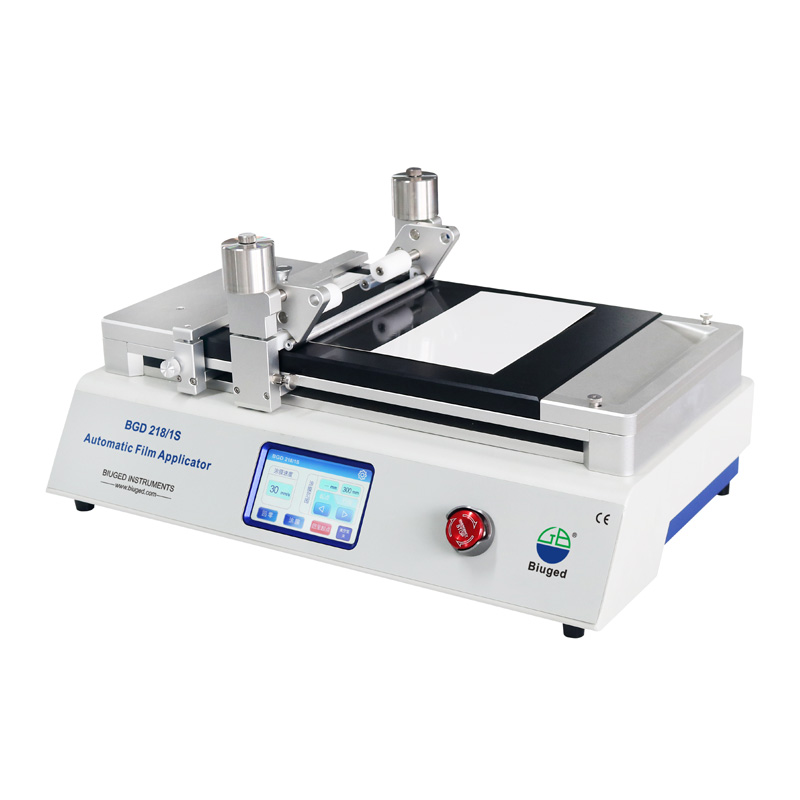
Something’s off. Budgets balloon while shipments slip and test results wobble. You trace the paper trail: quotes, lead times, spec sheets. Small difference in a supplier’s process becomes a big difference in lab output. Start by looking at the tools themselves — sometimes a missing guardrail on an automatic film applicator tells you more than a glossy brochure. Ask for clear photos, a short demo video, and a written commitment on delivery windows. Keep notes. Patterns show up fast when you log them.
Problem: Price Signals Aren’t the Whole Story
Cheap quotes lure you. They also hide risk. A low headline cost can mean longer lead times for spare parts, poor calibration, or inconsistent production runs. Treat price as a clue, not proof. Break the total cost into measurable pieces: initial purchase, calibration and validation, consumables, spare parts, and expected downtime. Get those numbers from the supplier and from one other source. If they can’t or won’t provide breakdowns, move them lower on the list.

Problem: Lead Time Clues and What They Reveal
Delivery dates that slip by a few weeks are often symptoms. Ask for manufacturing slot confirmations, not just “estimated” lead times. Probe batch sizes and backlog — a vendor with a long backlog may cut corners to meet dates. Require written lead-time guarantees for critical parts, or staggered shipments for high-risk items. If a vendor promises impossible turnaround with no documented process, consider that a red flag.
Problem: Quality Indicators You Can Verify
Quality isn’t just a certificate. Demand objective, testable evidence: calibration certificates tied to traceable standards, sample test runs with raw data, and a clear maintenance schedule. Ask for repeatability data across production lots. Check the supplier’s QA process against recognized test practices like ASTM and ISO standards. Don’t accept vague phrases such as “factory tested” — ask what tests were run, on which instruments, and when.
Common Pitfalls and How to Avoid Them
Buyers often skip these mistakes: accepting a single-source supplier for long-lead critical items; failing to request on-site calibration options; ignoring spare-part lead times. Insist on spares, ask about local service partners, and require installation and training windows in writing. For repeatable film work, small differences in applicator blades or travel speed change results; test those variables before signing bulk orders.
Experience, Evidence, and a Real-World Anchor
Years of lab procurement teach a simple rule: verify claims with a small, instrumented pilot. I’ve overseen trials during major industry gatherings and compared instruments side-by-side. At events such as the European Coatings Show in Nuremberg I observed suppliers demonstrate consistency under live conditions — that marketplace comparison matters. When you request third-party verification, include a clear test protocol and ask suppliers to run the same protocol on a bench unit; that’s how I validate new tools, including the practical utility of a paint film applicator. Keep documentation, timestamped photos, and signed test reports. Those artifacts protect your lab’s decisions and shorten dispute resolution if performance drifts.
Closing the Case: Practical Prescriptions
Do this: shortlist two vendors, demand identical pilot tests, require spare-part commitments and documented lead times, and lock in at least one local service contact. Insist on traceable calibration records and a clear maintenance plan. If you need predictable film application, implement a trial run with standardized substrates and a simple acceptance threshold for thickness variance. That process exposes hidden costs and lead-time risks early.
Final Finding
Follow the evidence methodically, demand measurable proof, and avoid buying promises. When you assemble the right documents and test data, decisions stop being guesses. The result is consistent throughput, fewer surprises, and lab data you can trust — outcomes that are exactly what firms such as BIUGED deliver when their instruments and support match the standards you require.
