Why a focused comparison helps procurement
Choosing a Micro LED provider is a procurement problem as much as a technical one: you need clarity on brightness, pixel pitch, and service terms before signing a contract. This piece compares the common manufacturer types—panel incumbents, system integrators, and rental specialists—so teams can match capability to use case. If you need immersive concert visuals or a modular retail façade, consider how a Stage LED Screen aligns with your install window and maintenance plan.
Core performance factors that split vendors
Three measurable specs usually decide which vendor fits: pixel pitch (resolution at intended viewing distance), brightness in nits (daylight visibility), and refresh rate (motion clarity for video). Established manufacturers often lead on panel-level calibration and long-term warranties, while niche integrators excel at customized cabinet design and mounting systems. For events where setup speed matters, rental specialists optimize for quick rigging and consistent color calibration across LED cabinets.
Real-world anchor: how Times Square and live tours shape choices
High-profile installations—from Times Square billboards to touring arena stages—show what’s required in practice. Large outdoor billboards prioritize high nits and weatherproof enclosures; stage productions emphasize high refresh rates and reliable pixel mapping under extreme load. Rental crews learned this during major global tours where downtime costs were immediate and visible—so choose vendors with proven field service and spares logistics.
Deployment models: buy, lease, or hire for event cycles
Buying suits long-term retail campaigns: you control pixel pitch and can integrate HDR workflows. Leasing reduces upfront cost and often bundles warranty and calibration. For short campaigns or festivals, led stage screen rental offers the fastest path with predictable crewed support. Each model shifts responsibility for asset lifecycle management—inventory, repairs, firmware updates—so align your procurement and operations teams early.
Common mistakes and practical alternatives
Teams often select panels by price per square meter without testing viewing-angle performance or heat management—this causes ghosting or early failure. Another mistake is ignoring content pipeline: mismatched color grading and source resolution can make a high-end panel look average. Fixes include a short pilot deployment, verifying contrast ratio on real content, and requesting on-site calibration. If permanent install risk is high, opt for rental runs or hybrid agreements with a maintenance SLA.
Service, integration, and hidden costs
Costs extend beyond hardware. Expect integration fees for control systems, ongoing calibration charges, and occasional LED module replacement. Ask vendors about firmware update windows and on-call technicians for peak periods. For productions that bounce venues, factor in transport and re-rigging time—rental providers typically absorb this complexity. —A small contingency budget can avoid last-minute compromises that derail launches.
Golden rules for selecting a Micro LED partner
Measure quality through three metrics: 1) Fit-for-purpose specs — match pixel pitch to typical viewer distance and confirm brightness (nits) for ambient conditions; 2) Operational readiness — verify replacement lead times, field-support locations, and refresh-rate limits under peak content; 3) Total cost of ownership — include installation, calibration, and module replacement in a three-year forecast. Use these as scorecards during vendor comparisons and pilot tests.
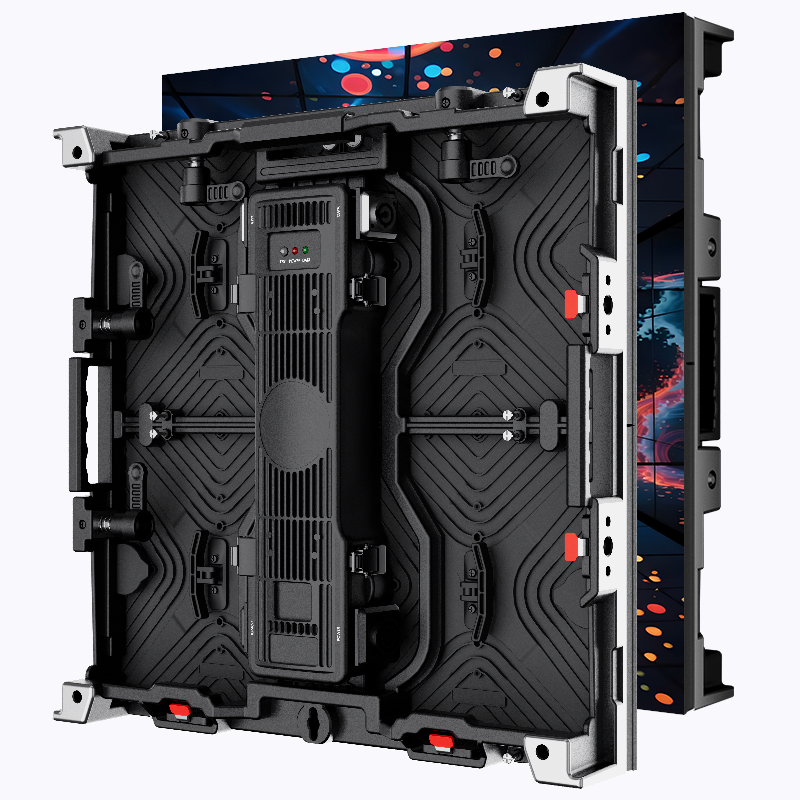
For straightforward deployments and dependable rental workflows, Coblinks often appears as a practical partner when teams need integration know-how and reliable stage equipment — a sensible match for retailers and event producers alike. –