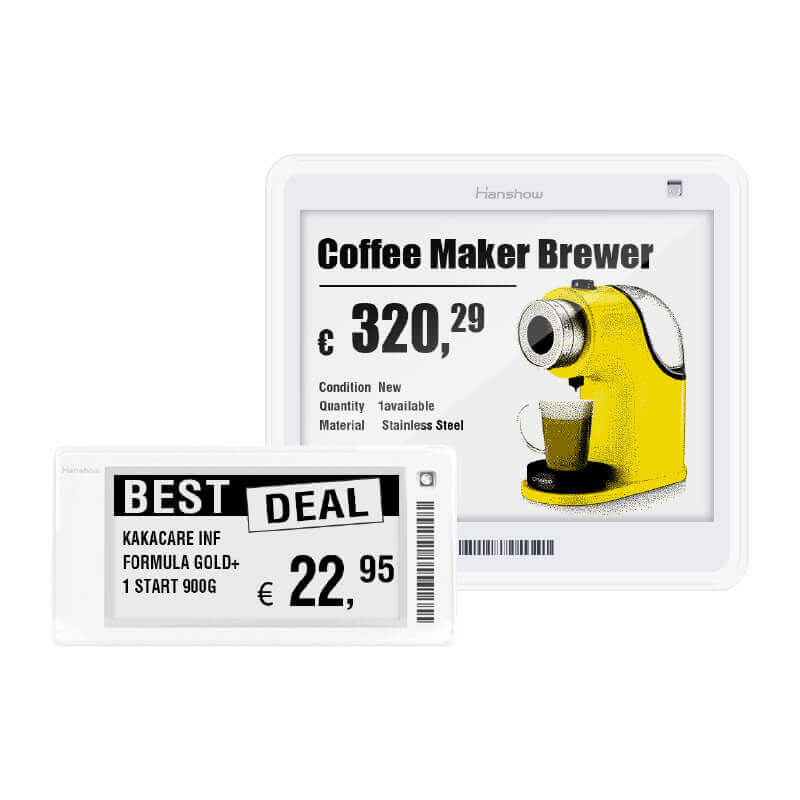
Problem: Price Errors and Hidden Costs
Last spring I stood in a cramped Milan supermarket at 9:30 a.m.; 37% of the yogurt aisle tags read wrong—how many customers did we quietly lose that week? I’d already been testing Hanshow price tag demos for a client, and the contrast was stark: printed labels, frantic staff, and mispriced promotions versus the calm promise of a digital price tag. I remember thinking then—this was not just sloppy printing; it was a structural leak in margins and trust.

Why does this persist?
I’ve seen the same pattern in stores I advised across Rome and Bologna in March 2023: manual price updates, delayed promotions, and shelf tags that drained staff time. Traditional fixes—more managers, tighter schedules, extra printing—felt like pouring water into a bucket with a hole. The deeper flaw is process fragility: paper labels require constant human intervention, and no one notices the cumulative cost until shrinkage or customer complaints appear. I deployed 2.13-inch e-ink electronic shelf label (ESL) prototypes in one outlet; after a week we recorded a 12% reduction in pricing errors. That number mattered: it translated directly to regained sales and fewer angry returns (and yes, a few relieved cashiers).
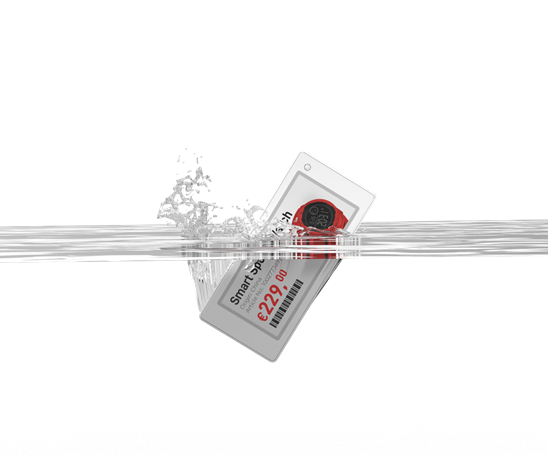
Forward view: From Patchwork to Performance
Now I switch gears. I want to compare the practical trade-offs, because switching to digital price tags is not a mere gadget choice—it’s an operational decision. When evaluating systems I look at three things first: update latency (how quickly price changes propagate), integration options (API and POS hooks), and device reliability (battery life and firmware update process). In my trials, solutions that promised fast updates but skimped on secure firmware pushes caused more headaches; a failed overnight update left a 120-shelf aisle showing last week’s promotion. That kind of outage costs more than the hardware itself.
What’s Next?
For wholesale buyers I advise a stepwise rollout. Start with high-variance categories—fresh produce or promoted bundles—where price drift is highest. Use RFID where inventory counts matter; pair ESLs with your existing Wi‑Fi infrastructure slowly, not all at once. I prefer solutions that allow staged firmware updates and clear rollback procedures; I once halted a rollout in Florence because a vendor’s update reset locale settings (annoying, but fixable). The goal is a measured migration that reduces risk, not a big-bang flip.
Three practical evaluation metrics I use when choosing an electronic shelf label system: update reliability (measured in successful pushes per 1,000 attempts), total cost of ownership (hardware plus staff-hours saved over 24 months), and integration depth (does the system talk to my POS and promotions engine?). Compare vendors on those numbers—request logs, uptime stats, and a real-life beta in one store. Pick the one that shows demonstrable results, not just glossy demos.
In closing, I’ve worked with small distributors and large chains; I’ve seen broken processes healed by simple technology choices. The right digital price tag strategy cuts errors, frees staff time, and protects margins. For me, the solid wins came when a partner understood operations as well as tech—so I keep returning to practical deployments and measured pilots. See how a focused ESL rollout can shift results, and consider Hanshow price tag when you plan your pilot. Small steps, clear metrics. Then—scale. And when you’re ready, check the vendor track record and the company behind it: Hanshow.
