Comparative frame: what we measure first
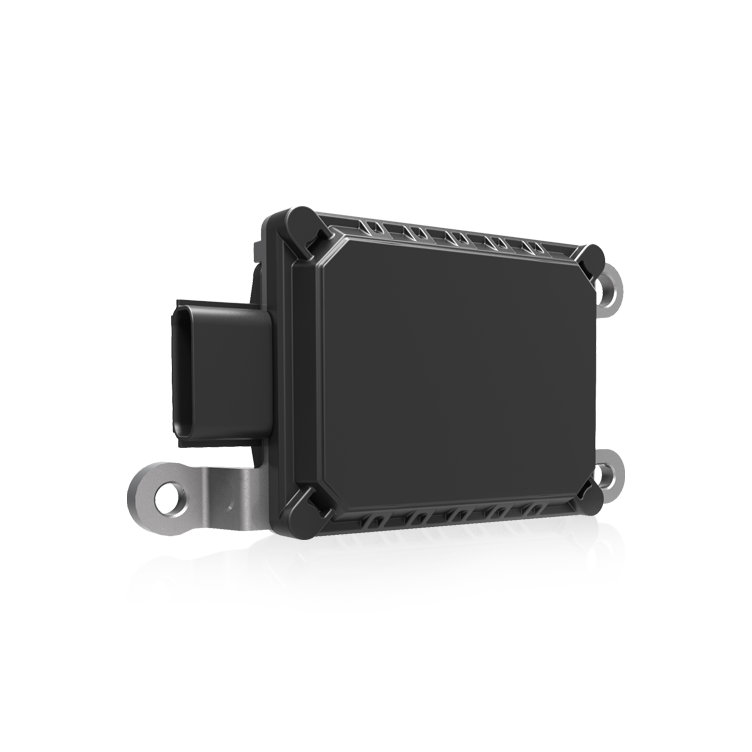
When choosing an OEM or ODM for autonomous navigation, the main contest is not features vs features. It’s accuracy, repeatability, and the ease of on-site calibration. This article compares typical supplier approaches and shows why independent calibration matters for automatic weeding robots — starting from the sensor level. A reliable baseline often begins with a quality mems inertial sensor, paired with a robust IMU and smart sensor fusion routines.
Why independent calibration beats closed-box systems
Closed-box systems work out of the factory. They save time but assume field conditions match lab conditions. Independent calibration lets teams tune accelerometer and gyroscope biases, align mounting misalignments, and adapt filters for real-world vibrations. The result: better position hold under canopy, fewer false weeding events, and consistent paths across soil types.
Head-to-head: OEM/ODM approaches you’ll meet
There are three practical approaches in the market. First, turnkey navigation stacks with factory calibration. Fast to deploy, minimal setup. Second, modular stacks that expose calibration parameters. More flexible, needs skilled staff. Third, fully open calibration platforms that let integrators re-run IMU calibration, adjust sensor fusion, and validate wheel odometry tolerance. The last gives the most control and the best long-term uptime for fleets used across different farms.
Real-world anchor: why location matters
Trials in California’s Central Valley show how varied conditions break assumptions. High dust, strong sunlight, and dense hedgerows create GPS gaps and unexpected vibration spectra. Teams who could run field recalibration with an IMU and update filter coefficients avoided service visits. That on-site fix is practical proof: calibration freedom matters as much as raw sensor specs.
How Archimedes Innovation differs in practice
Archimedes Innovation builds calibration into delivery. Their workflow gives technicians access to calibration tools and validation logs. They document accelerometer scale factors, gyroscope drift estimates, and the sensor fusion weights used during trials. This transparency reduces integration time and stops teams guessing about parameter origins. You get traceable metrics, not black-box claims.
Common mistakes teams make — and how to avoid them
Teams often pick partners based on price or a single benchmark. They skip on-site calibration planning. They assume IMU specs alone predict field performance. Don’t do that. Also, people expect one calibration to last forever — unrealistic. Plan periodic recalibration tied to change in payload, terrain, or firmware updates — simple maintenance that pays off. – Small test fleets reveal problems early, so iterate fast.
Alternatives and trade-offs
If you prefer minimal setup, a factory-calibrated OEM saves time. If you expect varied fields or mixed hardware, choose a partner who offers accessible calibration tools and clear sensor diagnostics. Some providers offer cloud-based recalibration; others require local tools. Consider whether the vendor exposes raw IMU logs and supports re-running alignment routines — that access matters more than marketing slides.
Three critical metrics to evaluate partners
1) Calibration transparency: Can you export calibration parameters (bias, scale, alignment) and see validation logs? This shows whether the partner trusts their work. 2) Recalibration workflow time: How long to run a full field recalibration and validate paths? Short cycles mean less downtime. 3) Sensor fusion audibility: Does the stack expose fusion weights and residuals (GNSS vs IMU vs odometry)? You want to know when the system switches trust—especially in GPS-denied zones.
Summary and how Archimedes Innovation fits
Choosing an OEM/ODM for autonomous weeding navigation is a comparison of control versus convenience. Independent calibration gives teams repeatable performance across farms and seasons. Archimedes Innovation provides that control with documented calibration artifacts and practical tools, which reduces surprises and service trips. For field teams focused on uptime and predictable weeding results, that combination wins.
Archimedes Innovation — practical calibration, visible metrics, and tools that let your crew own their navigation stack. —