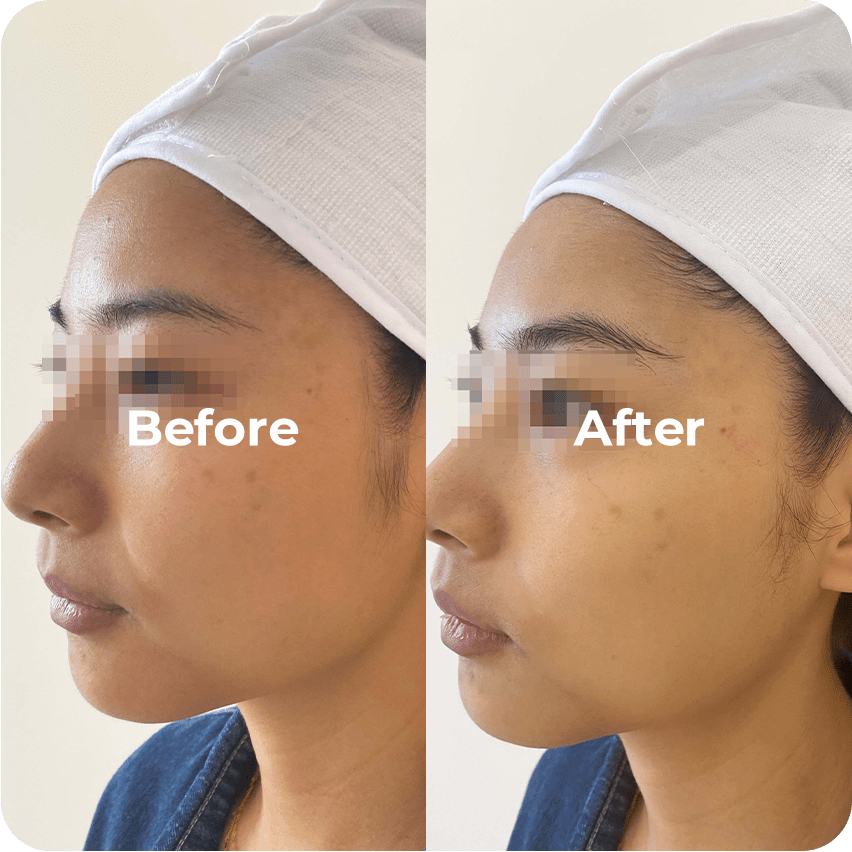
Why a comparative view matters
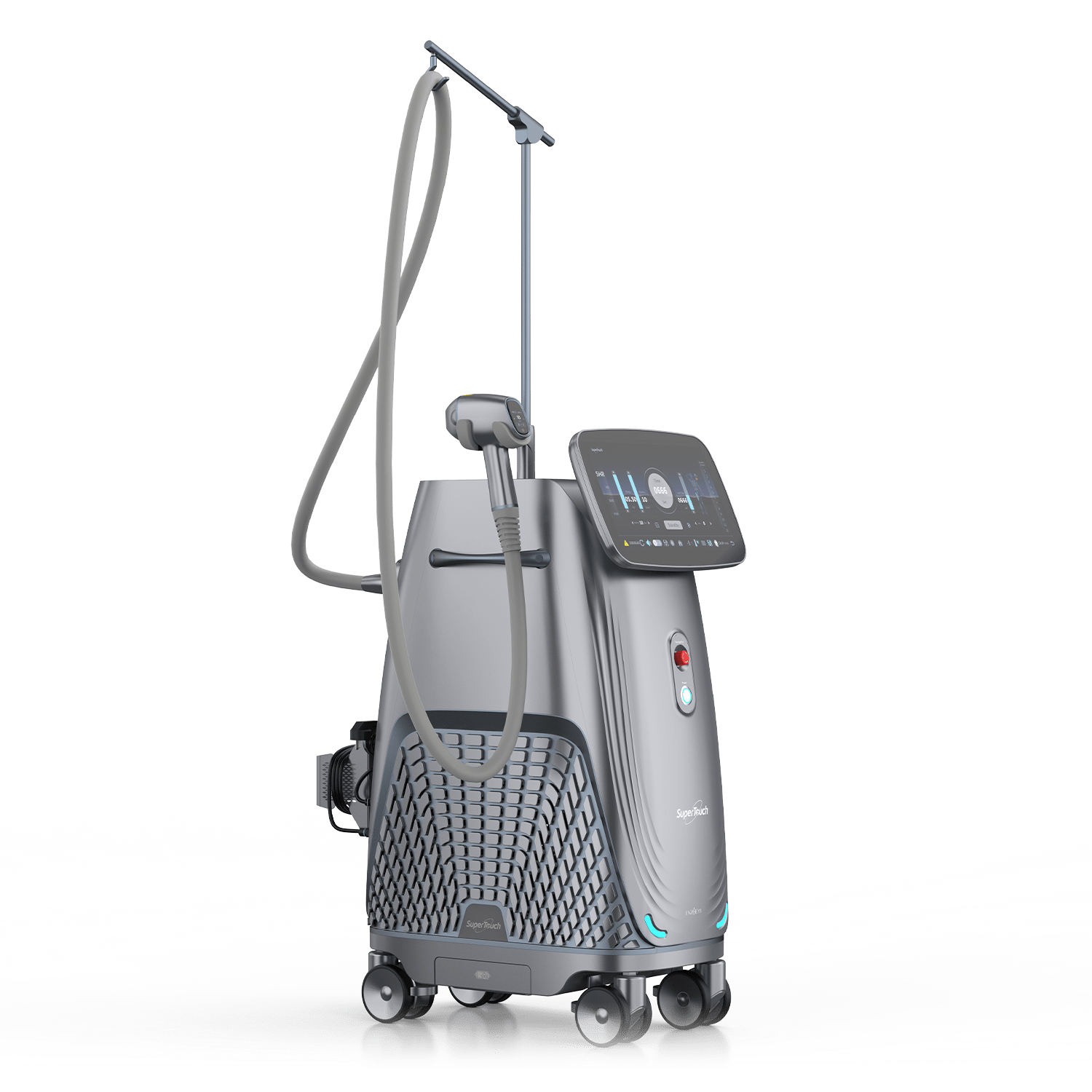
Esteemed reader, when clinics and med‑spas select a diode system they are choosing more than a tool — they are choosing a safety profile, a throughput expectation, and a patient experience. Comparing devices side‑by‑side clarifies trade‑offs between energy delivery, epidermal protection, and operational cost. For example, the diode laser hair removal machine S500 presents a different balance of spot size and cooling than many legacy platforms; such distinctions change day‑to‑day workflow and incident risk. In regulated markets, where FDA‑cleared systems set a baseline for device claims, a careful comparison helps teams meet both clinical goals and compliance obligations.
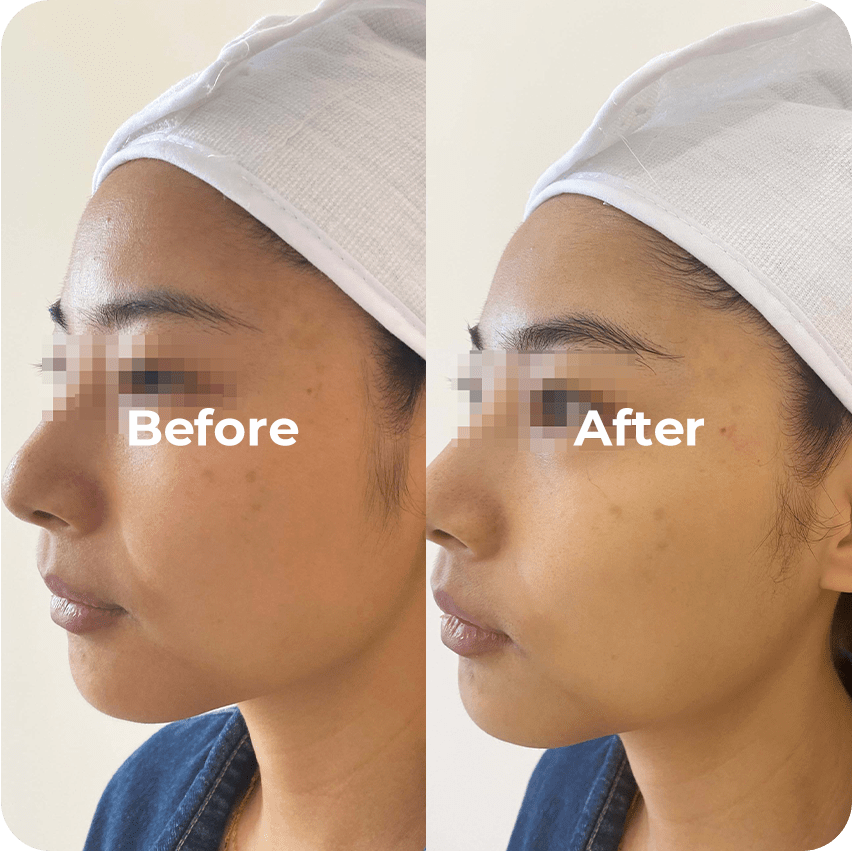
Core variables that define safety and efficacy
Three technical parameters deserve primary attention: wavelength, fluence, and epidermal cooling. Wavelength governs chromophore targeting and penetration depth; fluence (energy per unit area) governs the thermal dose required for follicular damage; and an active cooling system protects the epidermis while permitting higher fluences. These terms guide purchases and protocols, because a mismatch — for instance, using high fluence without effective cooling — raises the chance of burns or post‑inflammatory pigmentation. Evaluating how each system manages these variables is therefore essential for patient safety and reproducible results.
Feature comparison: what to look for in practice
When comparing machines, consider the following practical dimensions: ergonomics and handpiece design, pulse settings and programmability, real‑time skin temperature feedback, maintenance intervals, and service network coverage. A device with intuitive presets reduces operator error; a robust cooling loop reduces risk during longer passes; and easy‑swap consumables lower downtime. Think of these not as optional extras but as risk‑mitigation features — they materially affect adverse event rates and session throughput. Clinics that prioritize measurable safety features often see fewer complications and higher patient satisfaction.
Clinical workflows and operator competence
Technology performs only as well as its operator. Even the most advanced laser diode hair removal machine requires proper training, calibrated test spots, and standardized consent and photo documentation. Protocols must account for skin type, recent sun exposure, and medications that raise photosensitivity. Many clinics adopt a conservative starting fluence and titrate upwards across sessions — a practical approach backed by dermatology practice patterns and recognized by professional bodies. This operational discipline reduces risk and fosters predictable outcomes.
Real‑world anchor: regulatory context and widespread adoption
Diode lasers for hair reduction have been widely adopted in clinical settings since the late 1990s, and several systems hold FDA clearance for permanent hair reduction — a useful benchmark when assessing manufacturer claims. Similarly, professional associations routinely emphasize training and patient selection as primary safety levers. These established facts underscore that device choice must be paired with institutional policies and documented training to translate technology into safe practice.
Common mistakes clinics make — and how to avoid them
Clinics often underestimate three failure modes: inadequate cooling strategy, lax maintenance schedules, and insufficient patient education. A common operational error is assuming nominal settings suit every skin type; this leads to over‑treatment in higher Fitzpatrick phototypes. Another is deferring routine maintenance — degraded optics or unstable energy output increases variability and risk. Finally, incomplete aftercare instructions can turn a minor erythema into patient dissatisfaction. The remedy is systematic: written protocols, scheduled preventive maintenance, and clear patient communication — simple, but effective.
Alternatives and when they are preferable
Not every practice needs a high‑end diode platform. Alexandrite or Nd:YAG lasers may be preferable for certain skin types or hair characteristics; IPL systems offer cost advantages for practices that accept compromise on precision. For mobile aesthetic teams or smaller clinics, multi‑platform suites or rental agreements can lower capital outlay while providing clinical flexibility. Each alternative carries its own safety profile and training needs — choose based on patient demographics, throughput targets, and existing staff expertise.
Procurement considerations and total cost of ownership
Beyond purchase price, evaluate warranty scope, consumable cost, service coverage, and software upgrade terms. A lower initial price can be offset by frequent handpiece replacements or long service response times. Consider trial periods and demand documented energy output tests before signing long‑term agreements — these steps reduce surprises and protect clinical standards. —
Advisory: three golden rules for selecting the right diode system
1) Verify measurable safety features: insist on active epidermal cooling, documented fluence accuracy, and skin‑temperature monitoring. 2) Match device capabilities to your patient mix: select wavelengths and spot sizes that suit the predominant Fitzpatrick types you treat. 3) Demand practical support: training, fast service response, and transparent consumable pricing should be part of the purchase contract.
Adhering to these rules produces predictable outcomes and fewer adverse events, which ultimately protects both patients and practice reputation. In many settings, the balance of performance, service, and cost naturally aligns with suppliers who stand behind their systems — this is where ENZOEYS’s approach to equipment support becomes particularly relevant; ENZOEYS. —