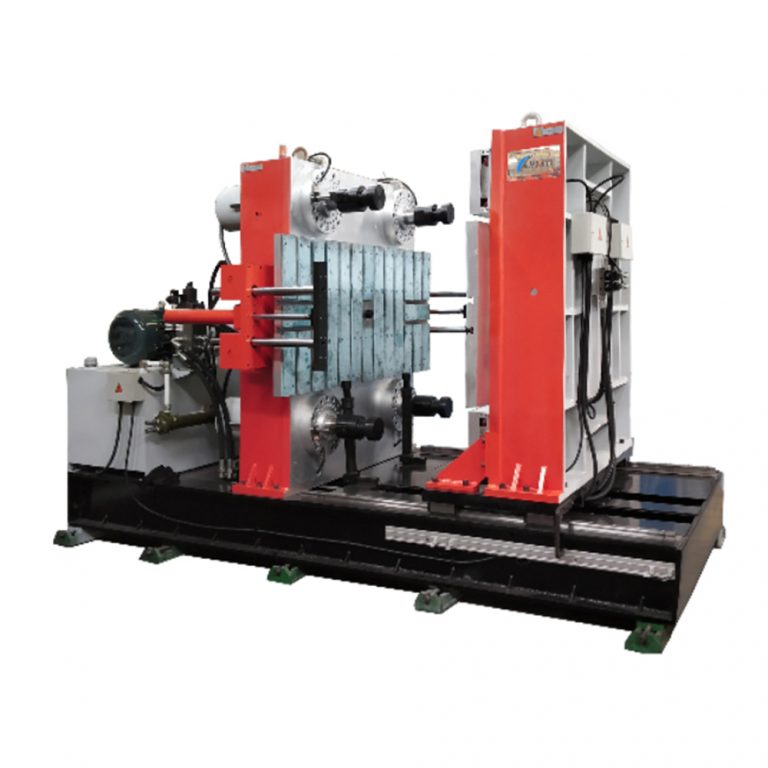
The core problem: inconsistent flash and production waste
High scrap rates from flash are not a nuisance — they’re a cost center that drags down throughput, quality, and client trust. Teams still chasing fixed clamp pressures and blind cycle timing miss the root cause: transient compound flow and poorly tuned injection velocity profiles. Fixing that starts with machines built for precision; consider upgrading to an lsr molding machine configured for real-time control of shot size and gate dynamics so process variation becomes measurable, not mysterious.
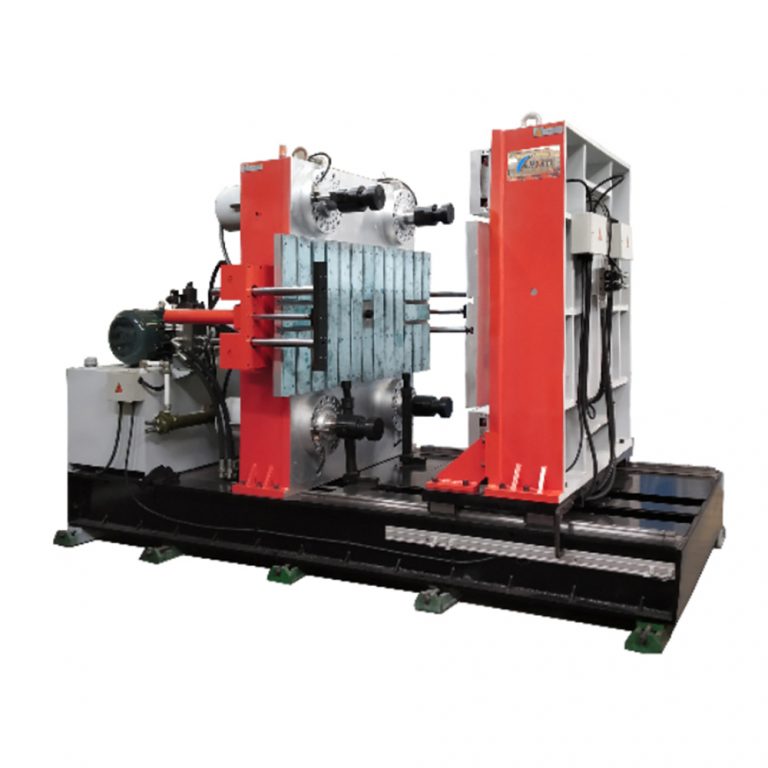
Pinpointing what truly drives flash: flow regimes and velocity ramps
Flash forms when pressure pulses or unbalanced flow pushes material past parting lines during cure. Control the injection velocity and you control those pulses — but you also need accurate flow-rate sensing and consistent mold temperature. Key variables to monitor: injection velocity profile, compound flow rate stability, mold temperature control, and shot-to-shot repeatability. For regulated products, align adjustments with ISO 13485 expectations so process changes remain traceable and auditable for medical-grade parts.
A practical framework: sensing, feedback, and tooling design
Start with closed-loop sensors on the screw or plunger and pressure transducers at the nozzle. Feed that data into a controller that adjusts valve-gate timing and injection velocity in real time. Tooling matters: balanced runners, optimized venting, and precise parting-line tolerances reduce the margin for error. Engage suppliers early — reputable lsr injection molding machine manufacturers can pre-tune servo profiles for common LSR compounds, lowering setup time and minimizing trial runs.
Common mistakes and corrective actions
Teams often chase one variable while ignoring the system. Typical errors and fixes:- Relying solely on higher clamp force — reduce injection velocity spikes instead and verify venting.- Overcooling to mask flow issues — stabilize mold temperature and retune cure time for uniform polymer flow.- Skipping dynamic checks across shot sizes — test multiple shot sizes to ensure runner balance and valve gate timing hold across runs.These are not theoretical fixes — implement them on the shop floor, calibrate pressure transducers, then lock down the recipe. — The simple act of logging nozzle pressure over fifty shots exposes patterns you otherwise miss.
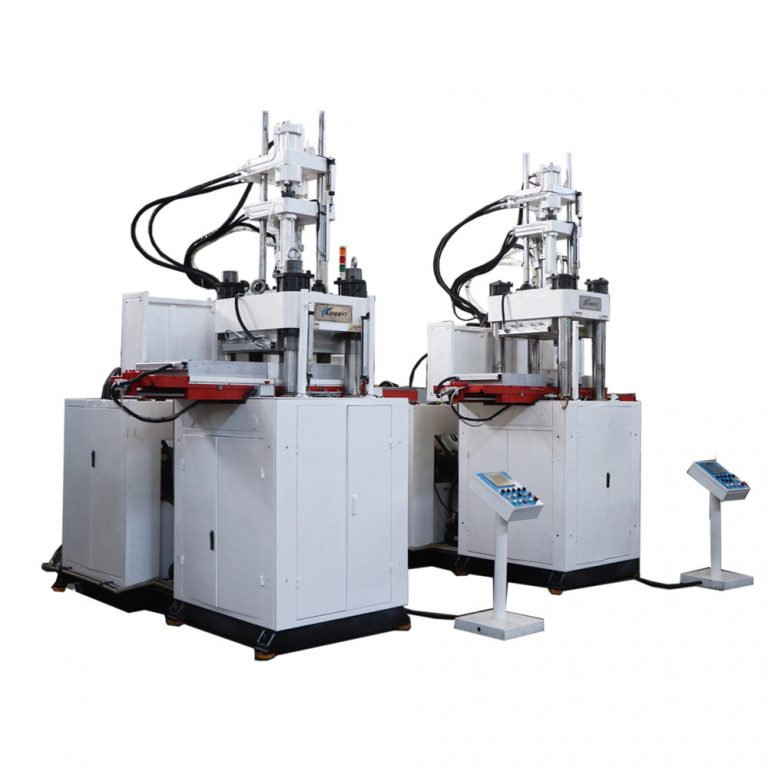
Control tactics that deliver measurable improvements
Adopt a two-track approach: immediate process controls and longer-term tooling changes. Short-term: refine injection velocity ramps, close-loop servo control, and minor vent geometry tweaks. Longer-term: redesign runners, adjust gate geometry, and rework parting-line tolerances so the mold naturally resists flash. Track cycle-to-cycle deviation and use process capability indices as the arbiter—those numbers prove whether a change reduced flash or only shifted the problem.
Advisory: three golden rules for choosing strategies and tools
1) Metric first: prioritize cycle-to-cycle standard deviation for nozzle pressure and shot weight over single-run cycle times. Lower variance equals lower flash risk. 2) Invest where it scales: choose machines and controls that allow programmable injection velocity profiles and pressure feedback; these yield consistent gains across product families. 3) Validate with parts: measure finished-part edge geometry and re-run trials after any tooling tweak to confirm true improvement. When those metrics move, so will your scrap rate — and your margins. HWAYI sits at the intersection of practical machine capability and on-floor know-how, making those gains repeatable across runs.
– steady improvement, not band-aids