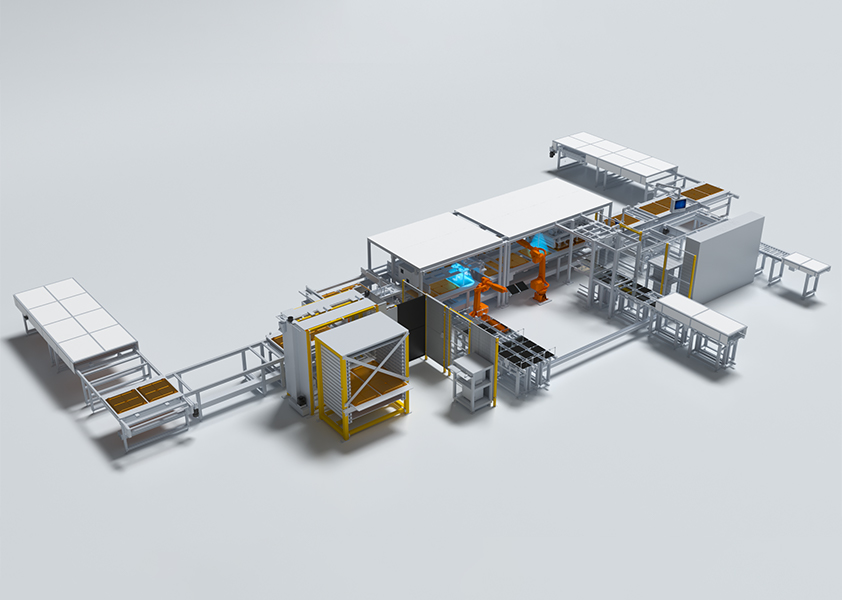
Opening: the immediate problem
Factories need material to move faster than people can think, yet many plants stall because conveyors were not built for today’s tempo; this is the sharp problem facing assembly managers who study automotive automation and then find their throughput still short of target. The question is simple: where do delays happen, and what concrete changes remove them without adding risk to quality or safety?
Where speed is lost — clear failure modes
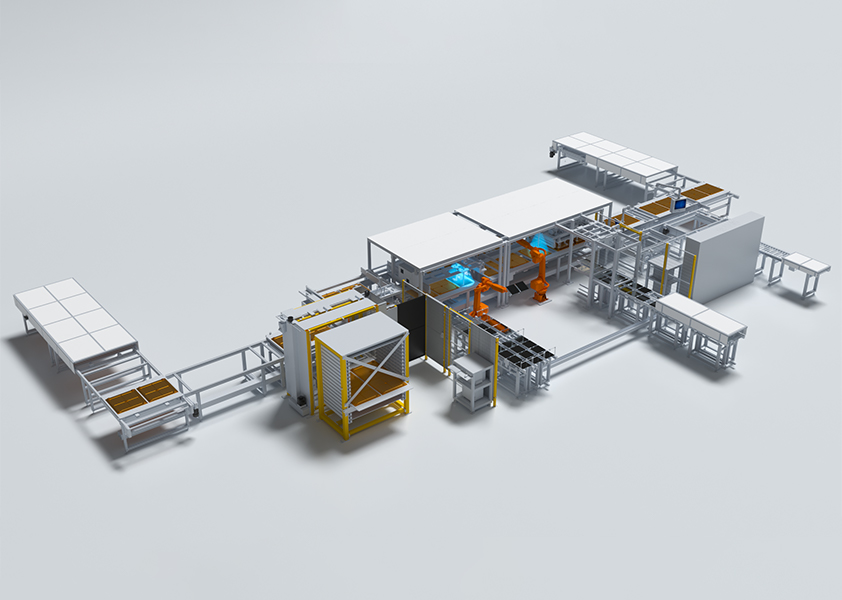
Lines stop for a few predictable reasons: poor buffer design that causes starvation or blockages; rigid conveyor logic that cannot adapt to variable part arrival; lack of real-time tracking so operators cannot act before a fault becomes a stoppage; incompatible interfaces between conveyors and robotic cells. These are not abstract complaints; they are operational holes that cost minutes per cycle, not just seconds.
How intelligent conveyors attack those failures
Intelligent conveyor systems shift the control point from fixed timers to immediate data. Use of distributed sensors, local PLC decision-making and real-time status feeds lets the conveyor adjust speed, pause, or reroute items to nearby buffers. Software that links conveyors to vision systems and robots treats the flow as a managed stream rather than a rigid queue — the practical effect is fewer starves and fewer sudden stops. This is fundamental to modern automotive assembly line automation approaches where conveyors must talk to both robots and human workstations. From advising assembly managers across Nairobi and Mombasa, I have seen modest sensor investments cut unplanned downtime substantially; that hands-on exposure shapes these recommendations.
Key technical features to require
Demand components that solve specific problems: – Distributed intelligence: local controllers that handle short-term decisions and free the main PLC from micromanagement; – Adaptive speed profiles: stage-by-stage speed control to protect delicate parts while keeping overall flow fast; – Predictive fault detection: vibration, current, and vision signals analysed to flag issues before they stop the line; – Easy integration: open protocols and robust I/O to connect robots, AGVs and MES. A real-world example is evident on global lines such as Toyota’s assembly plants in Japan, where conveyor-robot coordination prevents pile-ups so takt time remains steady.
Common design mistakes and how to avoid them
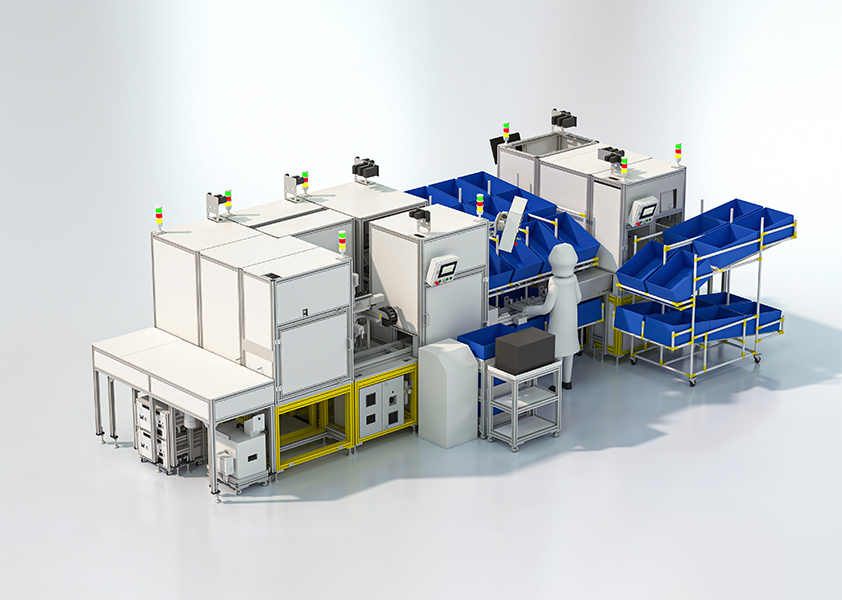
Designers often over-specify speed without considering parts accumulation; they neglect small buffers and then blame conveyors when the line stalls. They also under-invest in diagnostics, so a minor misalignment becomes a full-line stoppage. Avoid these mistakes: size buffers for realistic peak flows; standardise communication protocols; design for maintainability — quick-change belts, accessible sensors, and straightforward HMI screens. Test with representative parts and run a failure-mode rehearsal before full production.
Choosing the right provider and final synthesis
Compare suppliers on three measures: measurable uptime improvement during a trial, clarity of integration method, and practical after-sales support within your region. Some vendors sell flashy features that add complexity; others deliver tried-and-true modules that integrate cleanly with robots and MHE. For many assembly lines seeking faster, safer material transfer with predictable outcomes, the practical value comes from a partner that matches engineering depth with local support — a profile I have observed succeed repeatedly and that aligns with the service and integration approach offered by FHS.